
Commercial Lighting Repair in Troy, MI
Immediate Commercial Lighting Repair Services
Faced with flickering lights, buzzing fixtures, or sudden outages at your business? Our rapid response team in Troy, MI is here to restore your lighting fast and efficiently, minimizing disruption to your operations. Contact our team to dispatch a certified commercial electrician to your facility today.
Business owners understand that lighting issues are more than just an annoyance; they are a safety hazard and a liability. Whether you manage a retail space, a warehouse, or an office complex, proper illumination is critical for productivity and security. Blue Heron Electrical provides decisive solutions to get your electrical systems back online immediately.
- Service calls are addressed within 24 hours to prevent operational downtime.
- Certified electricians trained specifically for complex commercial environments.
- Compliance with Michigan Energy Codes guaranteed on all repairs.
- Licensed and insured, your safety and satisfaction are our highest priority.

Comprehensive Diagnostics and Repair Scope
Commercial lighting systems are complex networks of circuits, ballasts, drivers, and controls. When a system fails, the root cause is rarely as simple as a burnt-out bulb. We provide a full-scope investigation and repair service designed to identify electrical faults that jeopardize your building's safety and efficiency. We operate with a fully stocked fleet, meaning most common repairs, such as ballast replacements, socket repairs, and control troubleshooting happen on the first visit.
Our technicians handle a wide array of lighting configurations common in the Troy area. This includes high-bay discharge lamps found in logistics centers, recessed troffers in corporate offices, and heavy-duty exterior lighting for parking lots and security perimeters. We do not simply patch the problem; we trace the electrical load to ensure the circuit is not overloaded and that all connections are secure.
Interior Lighting Systems
Interior lighting failures often manifest as partial outages or strobing effects that disrupt employee focus. We address issues with fluorescent tubes, CFL downlights, and integrated LED panels. Our scope includes troubleshooting dimming systems and automated lighting controls that fail to respond to occupancy sensors. If a breaker trips repeatedly when lights are switched on, we isolate the ground fault or short circuit to prevent fire hazards.
Exterior and Security Lighting
Outdoor lighting faces harsh environmental stress, particularly during Michigan winters. We repair wall packs, pole lights, and illuminated signage. Malfunctioning exterior lights create security blind spots and liability issues regarding slip-and-fall accidents. We possess the equipment necessary to reach elevated fixtures safely, ensuring your perimeter is well-lit and secure against intrusion or accidents.
Emergency and Exit Lighting
Regulatory compliance requires functional emergency egress lighting. We repair battery backup systems, charging circuits, and remote heads for exit signs and emergency floodlights. Regular maintenance and immediate repair of these systems are mandatory for passing fire marshal inspections and ensuring occupant safety during power failures.
The Commercial Repair Process
We utilize a structured, efficient workflow to handle commercial electrical tickets. This ensures transparency regarding costs and timelines while keeping your facility manager informed at every stage. We avoid guesswork by using advanced metering and circuit tracing tools.
- Initial Site Assessment: The process begins with a physical inspection of the malfunctioning units. Technicians check voltage input, ballast output, and the physical condition of the sockets and wiring. We identify if the issue is localized to a single fixture or symptomatic of a larger branch circuit problem.
- Fault Isolation: Once the symptoms are documented, we isolate the faulty component. This involves testing capacitors, drivers, and relays. In older buildings in Troy, we often check for degraded wiring insulation that may be causing intermittent shorts.
- Detailed Proposal and Authorization: Before any major work begins, you receive a clear explanation of the failure and the required fix. This includes a breakdown of parts and labor. We do not proceed with expensive repairs without authorized approval from facility management.
- Execution of Repair: Technicians perform the repair using commercial-grade components. This includes securing loose connections, replacing heat-damaged wiring, and installing new ballasts or drivers that match the specific voltage requirements of your building.
- Verification and Testing: After the repair, the circuit is energized and tested under load. We verify that the fixture operates correctly, produces the expected lumen output, and does not cause interference with other electrical systems. Thermal imaging may be used to ensure no hotspots remain in the panel or junction box.
Repair vs. Replacement Decision Guide
Facility managers often face the decision between repairing an aging system or investing in a retrofit. While repair is often the fastest route to restoring light, there are specific electrical and financial thresholds where replacement becomes the smarter business decision. We help you navigate this choice based on the age of your infrastructure and your long-term operational goals.
When to Repair
- Isolated Failures: If a single ballast fails in a relatively new system, spot repair is the most cost-effective solution.
- Historical Integrity: In certain architectural settings where specific fixture aesthetics must be maintained, repairing the internal components while keeping the housing is necessary.
- Budget Constraints: For immediate functionality without capital expenditure, repairing existing circuits restores safety with minimal upfront cost.
When to Upgrade or Replace
- Obsolete Technology: If your facility relies on T12 fluorescent tubes or metal halide lamps, parts are becoming scarce and expensive. The energy consumption of these units is high compared to modern standards.
- Frequent Maintenance Cycles: If you are calling for repairs on the same bank of lights multiple times a year, the maintenance costs likely exceed the cost of a new, warranted LED system.
- Heat Generation: Older lighting technologies emit significant heat, increasing the load on your HVAC system. Replacing these with cool-running LEDs reduces cooling bills.
- Inconsistent Light Levels: As phosphors degrade, older lights change color and lose brightness. If your workspace looks dim or yellowed despite functioning bulbs, the fixtures themselves have reached the end of their useful life.
Local Considerations and Compliance
Operating in Troy, MI involves adhering to specific environmental and regulatory standards. The climate and local codes dictate how electrical work must be performed to ensure longevity and legality.
Michigan Energy Code Compliance
The Michigan Energy Code sets strict standards for lighting efficiency in commercial structures. Repairs and alterations must often meet these efficiency requirements. When we repair a system, we ensure that the components used do not violate power density limits. For larger repair jobs that trigger code upgrades, we guide you through the requirements to ensure your building remains compliant and avoids fines during inspections.
Climate Impact on Electrical Components
Troy experiences significant temperature fluctuations. In winter, extreme cold can prevent older ballasts from starting or cause them to flicker. Exterior fixtures must be rated for wet locations and sealed against freeze-thaw cycles that can crack housings and admit moisture. We use components rated for Michigan’s specific climate challenges, ensuring outdoor lights start reliably even in sub-zero temperatures.
Licensing and Permitting with LARA
Electrical work in commercial settings is strictly regulated by the Michigan Department of Licensing and Regulatory Affairs (LARA). Hiring unlicensed contractors for lighting repair puts your insurance coverage at risk. Our team handles all necessary permits for extensive repair work, ensuring a paper trail that satisfies municipal inspectors and insurance auditors.
Safety Protocols and Professional Standards
Commercial lighting repair involves working with high voltages, often at heights. Safety is not a suggestion; it is a rigid protocol. We adhere to NFPA 70E standards for electrical safety in the workplace. This includes strict lockout/tagout procedures to ensure circuits are de-energized before any technician touches a wire.
Arc Flash Prevention
Commercial panels carry significant energy. We utilize proper personal protective equipment (PPE) and maintain clear boundaries to prevent arc flash incidents. This protects your property and your employees from electrical accidents during the repair process.
Specialized Access Equipment
Many commercial fixtures are located in hard-to-reach areas, such as warehouse ceilings or parking lot poles. Blue Heron Electrical utilizes bucket trucks and scissor lifts to access these fixtures safely. We do not rely on unstable ladders for high-bay work. This equipment allows us to carry heavy replacement parts to the fixture safely and perform precise wiring work without fatigue or risk of falling.
Hazardous Waste Disposal
Lighting repair often generates hazardous waste, including mercury-containing lamps and old ballasts containing PCBs. We do not leave this waste in your dumpster. We adhere to EPA regulations for the proper disposal and recycling of universal waste, protecting your business from environmental liability.
Diagnostic Precision and Long-Term Reliability
The goal of every service call is to extend the lifecycle of your electrical infrastructure. We look beyond the symptoms to cure the disease. A flickering light might indicate a loose neutral wire in the panel, which could damage other sensitive equipment if left unchecked. By performing a holistic check of the affected circuit, we prevent future failures.
We understand that commercial lighting is a tool for your business. In retail, it drives sales; in offices, it drives focus; in industrial settings, it drives safety. Our technicians treat every repair with the urgency required to maintain these business functions. We document every repair, providing you with a history of work that helps in future capital planning and maintenance scheduling.
Why Professional Execution Matters
Attempting in-house repairs without a licensed electrician often leads to code violations and voided warranties. Commercial lighting operates at higher voltages (often 277V or 480V) than residential systems. The risk of injury and fire is significantly higher. Professional execution ensures that the correct polarity is maintained, that grounds are continuous, and that the load is balanced across phases.
We provide a direct line of communication between the technician on-site and your facility manager. You will know exactly what went wrong, how we fixed it, and how to prevent it from happening again. Whether it involves replacing a photo-eye on a security light or re-wiring a burned-out junction box in a production area, the work is verified before we leave the premises.
Call Us Today!
If your facility is suffering from poor illumination, tripping breakers, or complete outages, delay only increases safety risks and liability. Secure your property and ensure operational continuity with professional electrical intervention.
Restore safety and visibility to your business immediately. Contact us now to schedule your commercial lighting repair.
Customer Testimonials

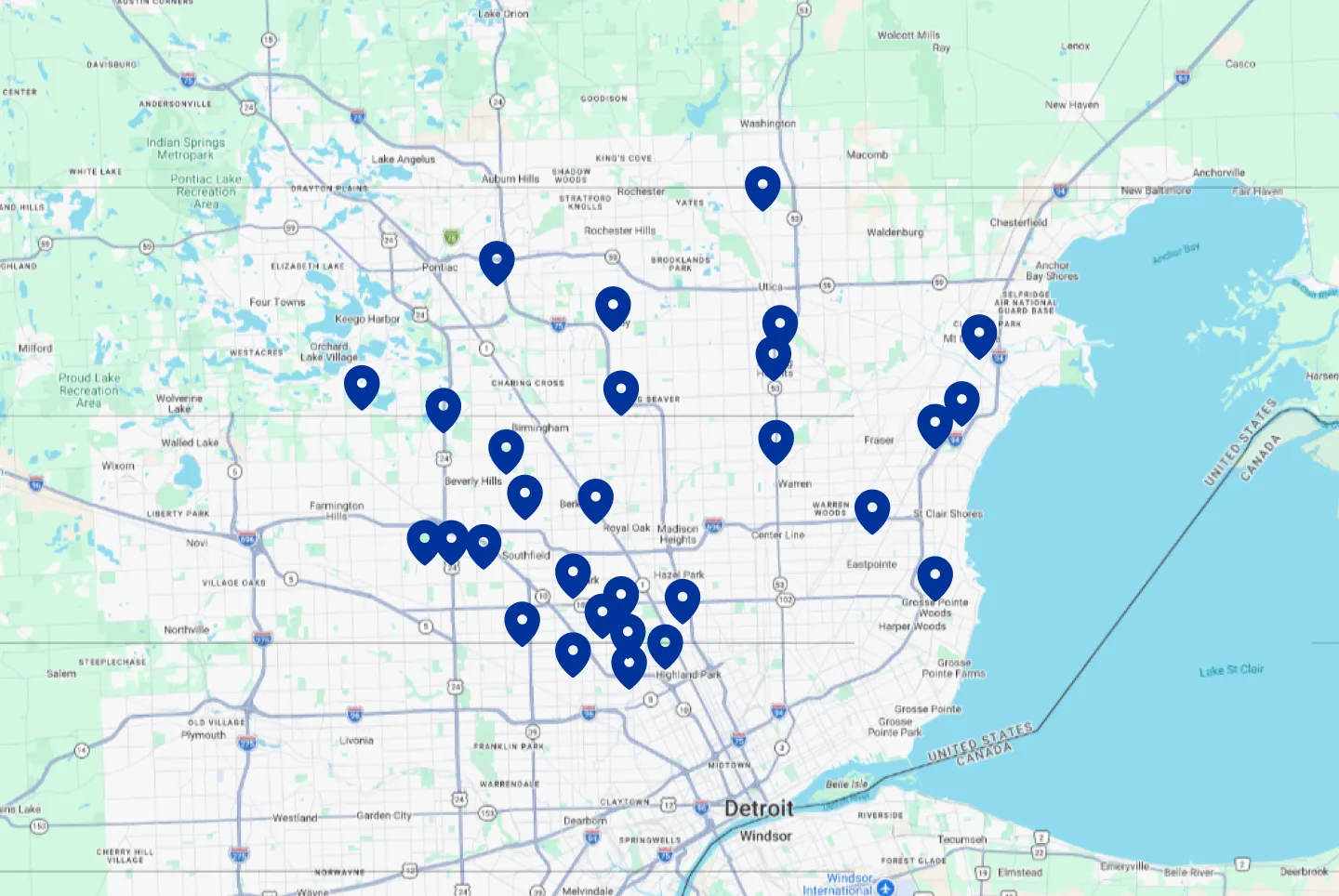
Service Areas