
Landscape Lighting in Troy, MI
Secure Your Property and Banish Dark Corners with Professional Landscape Lighting
Walking up to a dark house in the evening creates unease and limits the usability of your outdoor property. Dark pathways, unlit driveways, and shadowed entry points not only diminish curb appeal but also invite potential security risks and tripping hazards. Connect with our team today to schedule a site assessment or to discuss financing options for your project.
Homeowners in Troy deserve an exterior that functions just as effectively at night as it does during the day. Proper illumination extends the hours you can enjoy your patio, deters unwanted visitors, and highlights the architectural beauty of your home. Rather than relying on a single porch light, a comprehensive low-voltage system provides balanced, glare-free illumination across the entire landscape.
- Rapid, professional installation: Experience a fully illuminated exterior within days, not weeks, with minimal disruption to your daily routine.
- Durable, weather-resistant solutions: Systems are specifically engineered to withstand Michigan’s freeze-thaw cycles and heavy snowfall.
- Energy-efficient performance: High-quality LED fixtures reduce electrical loads and eliminate the need for frequent bulb changes.
All installations are fully licensed, ensuring code compliance, and come with extended warranties for long-term peace of mind.
What to Expect: Installation Process and Timeline
Investing in landscape lighting is about more than just sticking fixtures in the ground; it is about creating a cohesive lighting design that accounts for voltage drop, beam spread, and color temperature. A professional installation begins with a comprehensive design phase where specific features of your property such as specimen trees, architectural columns, or winding pathways are identified for highlighting.
Residents in Troy can expect a seamless project flow that prioritizes property protection. The timeline typically spans a few days depending on the complexity of the system and the size of the property. The initial phase involves mapping out the transformer location and wire runs to ensure every fixture receives the correct voltage. This prevents the "dim light" effect often seen in DIY kits where lights at the end of the line are fainter than those at the start.
The scope of work generally includes the mounting of the transformer, trenching for low-voltage wiring, fixture assembly, and final aiming. Modern systems also integrate smart controls, allowing users to manage lighting schedules via smartphone apps. This is particularly useful for adjusting on/off times based on the changing sunset times throughout the year.
- Design Consultation: Technicians assess the property to determine the best lighting techniques, such as up-lighting for trees or down-lighting from soffits.
- Component Selection: You receive guidance on selecting fixtures that match your home's aesthetic, from modern matte black finishes to classic antique brass.
- Smart Integration: Options are available to link your outdoor lights with existing home automation systems for voice control or astronomical timing.
- Safety Checks: All electrical connections are waterproofed and tested to prevent shorts caused by moisture or soil shifting.
Your Step-by-Step Guide to Landscape Lighting Installation
Understanding the mechanics of the installation helps homeowners prepare for the work. The goal is to install a permanent, reliable system with virtually no impact on your existing landscaping. Professional technicians use specialized tools to slice the turf rather than digging wide trenches, ensuring that grass heals quickly and flower beds remain undisturbed.
First, the power source is established. A high-quality transformer is mounted, usually near an exterior outlet or in a garage. This unit steps down the standard 120-volt household current to a safer 12-volt current. Sizing the transformer correctly is critical; it must handle the total wattage of all lights plus a buffer for future expansions.
Next, the wiring infrastructure is laid out. Cables are run from the transformer to the various lighting zones. In established gardens, care is taken to route wires around root balls and irrigation lines. The wire used is heavy-gauge, direct-burial cable designed to resist rot and moisture intrusion. Connections between the main line and the fixtures are made using waterproof wire nuts or heat-shrink tubing, which is essential for preventing corrosion in wet soil conditions.
Then, the fixtures are installed and staked. High-end fixtures from reputable brands like Kichler or VOLT are often used for their durability. The technician places the lights according to the design plan but leaves the final adjustments for the evening. Staking involves ensuring the fixture is level and stable, often using longer stakes in softer soil to prevent leaning over time.
Finally, the system is tested and aimed. This must happen after dusk. Technicians return to adjust the angle of the light, ensuring it hits the target feature without shining into windows or causing glare for passersby. This "aiming" session is what separates a professional job from an amateur one, as it fine-tunes the shadows and highlights to create the desired mood.
Upgrade vs. Maintenance: Making the Cost-Effective Choice
Landscape lighting systems, like any outdoor equipment, face constant exposure to the elements. Deciding whether to repair an aging system or upgrade to a new one depends on the condition of the wiring, the type of fixtures, and energy consumption.
Blue Heron Electrical often encounters older halogen systems that are costly to run and require frequent maintenance. If a system is more than ten or fifteen years old, the internal sockets may be corroded, and the wiring insulation may be brittle. In these cases, constant repairs become a money pit. Upgrading to an integrated LED system offers immediate payback through energy savings and longevity.
- Energy Efficiency: Old halogen bulbs consume significant power. Converting to LED can reduce operating costs by up to 80%, allowing you to run more lights on a smaller transformer.
- Wiring Integrity: If existing wires are cut in multiple places or showing signs of rot, a full rewire is safer and more reliable than splicing old cables.
- Fixture Durability: Aluminum fixtures often peel and corrode after a few years of exposure to snow and salt. upgrading to solid brass or copper fixtures ensures the hardware lasts a lifetime.
- Light Quality: Modern LEDs offer a range of color temperatures. Upgrading allows you to switch from the harsh yellow of old incandescents to a crisp, warm white (usually 2700K or 3000K) that better renders the colors of vegetation and stone.
However, if the system is relatively new and uses quality wiring, simple maintenance may suffice. This includes cleaning lenses, burying exposed wires, trimming vegetation that blocks the light, and replacing individual drop-in LED bulbs.
Adhering to Troy’s Landscape Lighting Codes and Seasons
Local environmental factors heavily influence how landscape lighting is designed and installed in Michigan. The distinct shift between humid summers and freezing winters requires hardware that is completely sealed against moisture ingress.
In the winter, frost heave can push lighting stakes out of the ground. Professional installation accounts for this by using stabilization fins or deeper spikes. Furthermore, snow removal is a major consideration. Path lights must be placed strategically to avoid being damaged by snow blowers or shovels. Marker lights are often installed to indicate the edge of the driveway, assisting with safe snow clearing during heavy storms.
Compliance with local regulations is equally important. Troy has specific codes regarding electrical work and light pollution. "Dark Sky" friendly lighting is encouraged to minimize light spill that affects neighbors and the night sky. This involves using shrouded fixtures that direct light downward or specifically at the target, rather than flooding the area with omnidirectional light.
- Miss Dig Coordination: Before any trenching begins, it is mandatory to flag underground utilities. This prevents accidental damage to gas, electric, or cable lines.
- Permitting: Low voltage work generally has fewer restrictions than line voltage, but connecting the transformer to a dedicated circuit may require an electrical permit.
- Salt Resistance: For homes near salted roads or driveways, corrosion is a threat. Composite or brass fixtures are recommended over painted aluminum to prevent bubbling and oxidation.
- Seasonal Adjustments: Timers and photocells need to be checked or adjusted as daylight hours shorten in autumn and lengthen in spring.
Technical Considerations for Long-Lasting Illumination
Achieving a lighting scheme that looks natural and lasts for years involves understanding the technical specifications of the equipment. It is not enough to simply buy lights; one must understand beam angles and light output (lumens).
Beam angle refers to how wide or narrow the cone of light is. A narrow beam (15 to 30 degrees) is ideal for highlighting a tall, thin column or a specific tree trunk. A wide flood (60 degrees or more) is better for washing a stone wall or a row of hedges. Using the wrong beam angle results in "hot spots" (bright, overexposed areas) or light that gets lost in the darkness.
Lumen output determines brightness. A common mistake is using lights that are too bright, making the house look like a commercial parking lot. Subtle lighting is more elegant. Path lights generally require fewer lumens than security floodlights. A professional design balances these intensities to guide the eye through the landscape without causing visual fatigue.
Voltage drop is a technical challenge in larger properties. As electricity travels down a long wire, voltage decreases. If the first light gets 12 volts and the last light gets 9 volts, the last light will be dimmer or may flicker. Installers use "hub" wiring methods or multi-tap transformers to ensure every fixture receives steady, consistent power, regardless of its distance from the source.
Why Choose Us: Our Commitments to You
Selecting the right partner for your exterior lighting project ensures that the investment enhances your home’s value and security for years to come. The focus is always on delivering a system that blends seamlessly with the architecture during the day and creates a stunning visual impact at night.
Quality assurance is central to the service. We utilize only professional-grade components that are not available in big-box stores. These fixtures feature superior waterproofing gaskets, heavy-duty stakes, and premium finishes designed to age gracefully. The wiring used is specifically rated for direct burial, reducing the risk of shorts and failures.
Neatness and respect for the property are paramount. Technicians are trained to leave the site clean, with all soil replaced and sod carefully rolled back into place. There is no debris left behind, only a beautifully lit home. Warranties cover both the fixtures and the labor, ensuring that if a component fails prematurely, it is rectified promptly.
- Custom Design: Every property is unique. The lighting plan is tailored to the specific architectural and landscape features of the home.
- Service Continuity: From the initial design to post-installation adjustments and annual maintenance, the team provides full-cycle support.
- Transparent Pricing: Detailed quotes outline exactly what is being installed, so there are no surprises regarding costs or scope.
Step Into a Brighter, Safer Outdoor Space Today
Whether you are looking to secure a dark perimeter, illuminate a new patio, or simply add curb appeal, Blue Heron Electrical provides the expertise and high-quality materials required for a superior result. Contact our team today.
Ready to illuminate your home’s full potential? Contact us today to schedule your landscape lighting design consultation.
Customer Testimonials

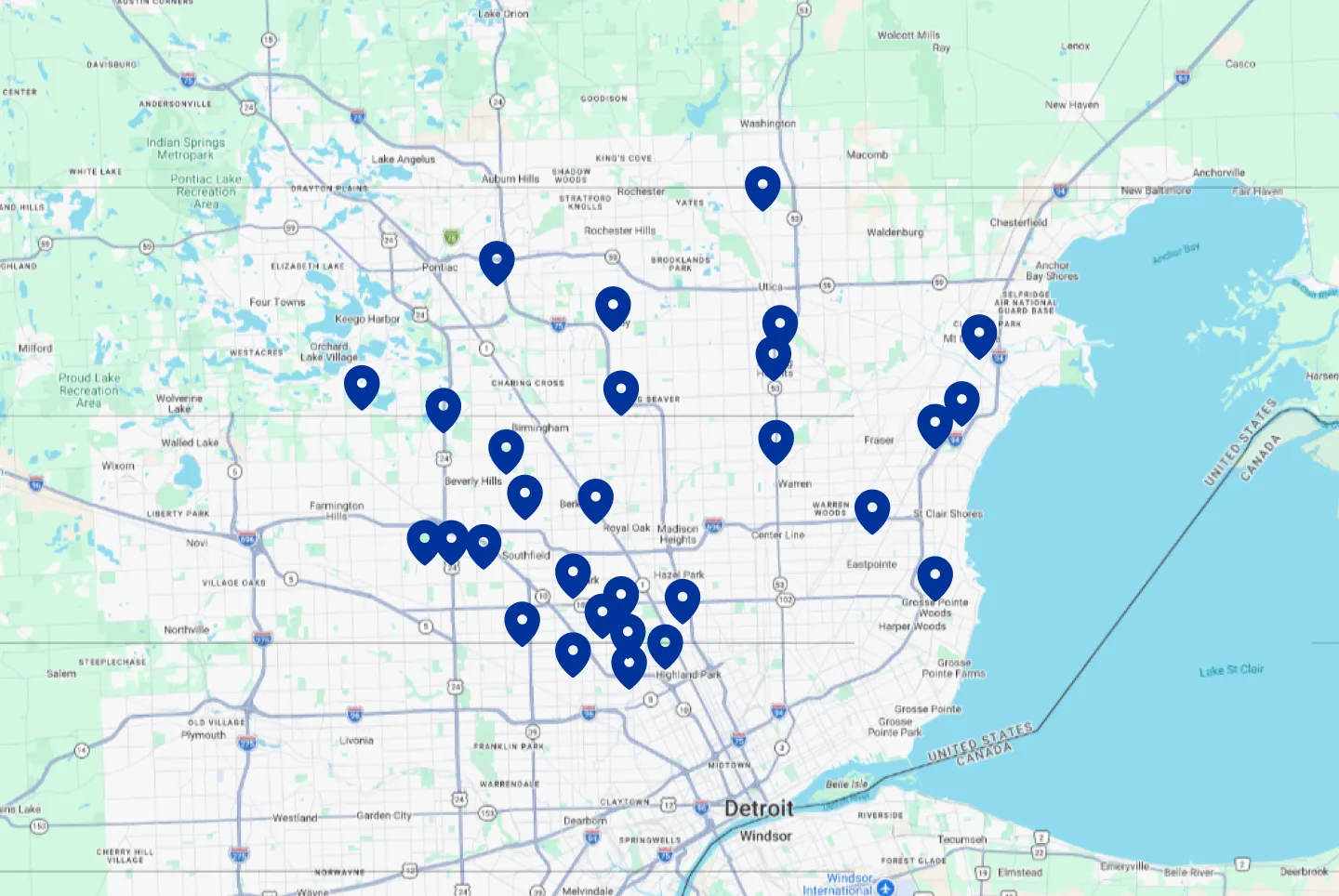
Service Areas