
Circuit Breaker Repair in Troy, MI
Solving Your Circuit Breaker Issues with Certified Expertise
Experiencing frequent electrical interruptions at home or noticing a burning smell near your panel? Blue Heron Electrical provides rapid, reliable circuit breaker repairs to restore your peace of mind and ensure your property remains safe from electrical hazards. Contact us immediately to schedule a diagnostic visit or to discuss financing options for major repairs.
We understand that a malfunctioning electrical system is more than just an inconvenience; it is a significant safety risk that requires immediate professional attention. Residents in Troy, MI often face these challenges due to aging infrastructure or weather-related stress on electrical components. Our team is equipped to handle these issues swiftly, ensuring your power is restored and your home is code-compliant.
- Get same-day repair services to tackle urgent electrical faults.
- Ensure your home's safety with our fully licensed and insured team.
- Enjoy lasting solutions with industry-leading warranties.
Backed by local permits and comprehensive service warranties for every job.
What You Can Expect From Our Repair Services
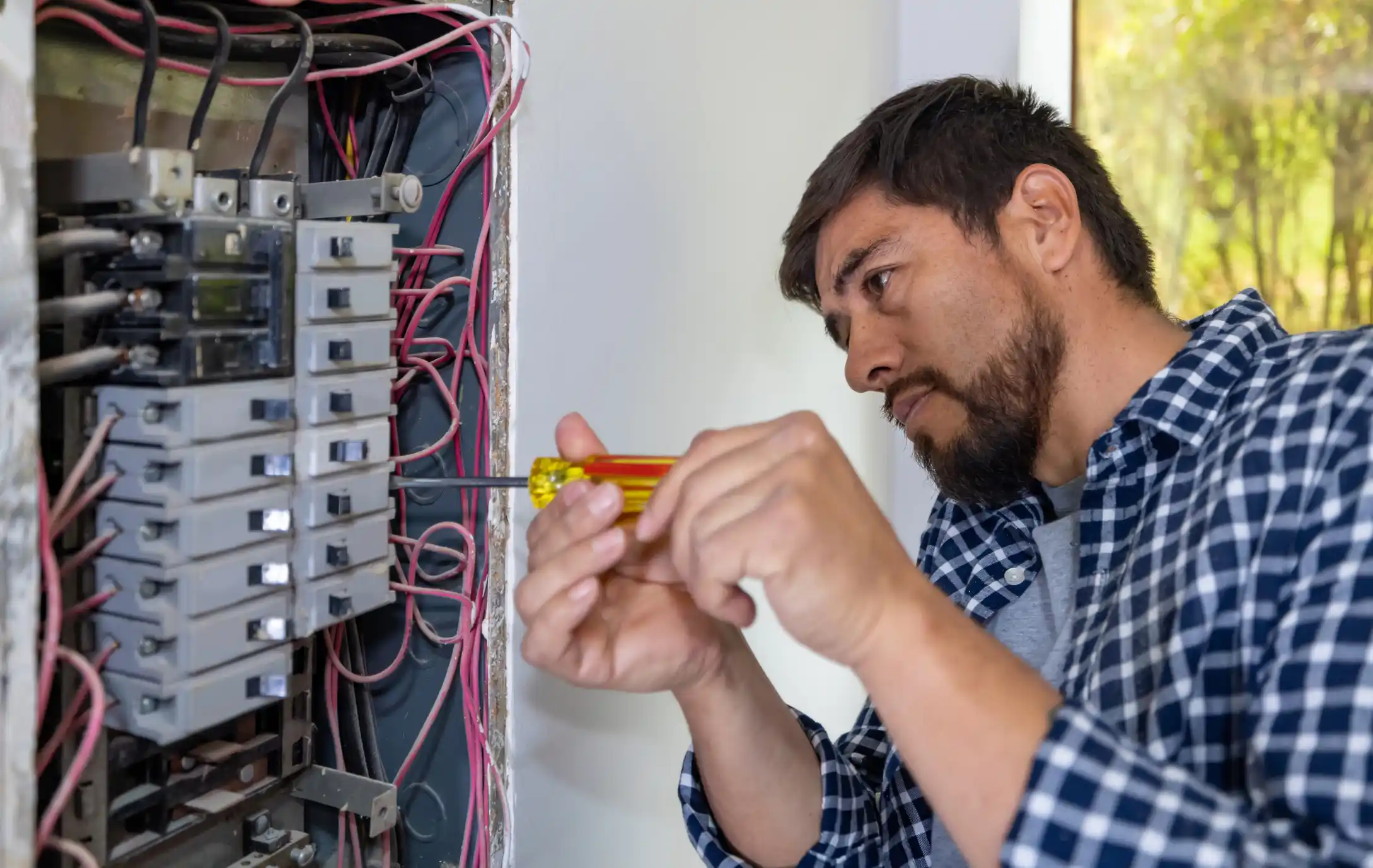
When you engage a professional for circuit breaker repair, you are looking for an immediate resolution to power loss and a guarantee that the underlying issue has been resolved. Our service approach focuses on comprehensive diagnostics and precision repairs. We do not simply flip a switch back on; we investigate the root cause of the trip to prevent recurrence.
Upon arrival, certified technicians conduct a thorough load analysis of your electrical system. This process determines if the breaker is tripping due to a mechanical failure within the device itself, a short circuit in the wiring, or an electrical overload caused by running too many high-amperage appliances simultaneously. For homeowners in Troy, where older homes may still rely on outdated amperages, this analysis is critical for long-term electrical stability.
The scope of our repair service includes:
- Visual and Mechanical Inspection: We check for physical damage, corrosion, or heat discoloration on the breaker and the bus bar.
- Current and Voltage Testing: technicians measure the actual flow of electricity to ensure it matches the breaker’s rating.
- Wiring Verification: We inspect the conductors connected to the breaker to ensure they are torqued correctly and free from insulation damage.
- Component Replacement: If a breaker is deemed defective, we replace it with high-quality, code-compliant components that match your panel’s specifications.
- System Restoration: Once the repair is complete, we restore power and test all affected circuits to verify stability.
You receive a transparent assessment of your electrical health. We explain exactly what caused the failure, whether it was a ground fault, an arc fault, or simple wear and tear and provide a clear path to resolution without hidden fees or ambiguous timelines.
How We Restore Your Electrical Safety
The process of repairing or replacing a circuit breaker requires a methodical approach to ensure safety and adherence to the National Electrical Code (NEC). We follow a strict protocol designed to protect your home and our technicians during the repair process.
- Site Safety Assessment: Before opening any panels, we assess the surrounding area for hazards such as water intrusion or obstructions. We also verify if the main breaker needs to be shut off to work safely.
- Fault Isolation: We utilize advanced multimeters and circuit tracers to isolate the exact location of the fault. This allows us to distinguish between a nuisance trip and a dangerous hard short.
- Panel Access and De-energization: We carefully remove the panel cover and de-energize the specific circuit being worked on. In cases of severe damage, we may coordinate with DTE Energy to temporarily cut power to the home for a safe repair.
- Removal of Defective Components: The faulty breaker is disconnected from the bus bar and the branch wiring. We inspect the contact points for pitting or burn marks, which can indicate poor connections.
- Installation of New Hardware: We install the new circuit breaker, ensuring it seats firmly onto the bus bar. We also apply an antioxidant compound if aluminum wiring is present, which is common in certain eras of local construction.
- Torque and Tension Verification: Loose connections are a leading cause of electrical fires. We use torque screwdrivers to tighten terminal screws to the manufacturer’s exact specifications.
- Functional Testing: After installation, we re-energize the system and perform a stress test. This involves drawing a load on the circuit to ensure the new breaker holds and functions correctly under demand.
Deciding Between Repair and Panel Upgrades
One of the most common questions homeowners face is whether to repair a single breaker or upgrade the entire electrical panel. This decision depends on several factors, including the age of the equipment, the frequency of issues, and the electrical demands of the household.
When Repair is the Right Choice:
- Single Component Failure: If only one breaker is tripping and the rest of the panel is functioning normally, a direct replacement of that specific breaker is usually sufficient.
- Loose Wiring: Sometimes the breaker itself is fine, but the wire connecting to it has become loose due to thermal expansion and contraction. Tightening or re-terminating the wire resolves the issue.
- Recent Overload: If the trip was caused by a temporary situation, such as running a space heater and a vacuum on the same circuit, the breaker is doing its job. In this case, load balancing is the solution rather than a full upgrade.
When Replacement or Upgrade is Necessary:
- Obsolete Panel Brands: If your home is equipped with Federal Pacific Electric (FPE) Stab-Lok or Zinsco panels, repair is rarely recommended. These panels have documented safety defects and high failure rates, making full replacement the only safe option.
- Physical Damage to the Bus Bar: If a malfunctioning breaker has caused arcing that damaged the metal bus bar behind it, a new breaker will not seat correctly. This damage typically requires a panel swap.
- Consistent Overloads: If you are constantly tripping breakers despite load balancing, your panel may not have the capacity to support modern appliances, EV chargers, or HVAC systems. Blue Heron Electrical can assess if a service upgrade to 200 amps is required.
- Age of the System: Circuit breakers have a lifespan of roughly 30 to 40 years. If your panel is approaching this age and multiple breakers are failing, a complete update ensures reliability for decades to come.
Navigating Local Requirements and Seasonality
Electrical work in this region is subject to specific environmental stressors and regulatory standards. Understanding these local factors is essential for a durable repair.
Climate Impact on Electrical Systems:
- Summer Humidity: High humidity levels can lead to condensation within electrical panels, especially if they are located in basements or garages. This moisture accelerates corrosion on breaker contacts, leading to increased resistance and eventual failure.
- Winter Freezing: During the winter, heating systems run almost continuously. This places a sustained high load on specific circuits. Older breakers that are weak may fail under this seasonal stress, leaving you without heat during freezing temperatures.
- Temperature Fluctuations: The cycle of freezing and thawing causes expansion and contraction in electrical wiring. Over time, this loosens connections at the breaker terminals, creating hot spots that can trip breakers or cause arcing.
Regulatory Compliance and Utilities:
- Permits and Inspections: Significant electrical repairs or panel work often require a permit from the City of Troy Building Department. Professional electricians handle this administrative burden, ensuring all work passes inspection and is logged for future property sales.
- Utility Coordination: For repairs involving the main service entrance or meter, coordination with DTE Energy is mandatory. We manage these communications to ensure power is disconnected and reconnected safely and legally.
- Code Upgrades: When replacing breakers, local code may require upgrading to Arc Fault Circuit Interrupters (AFCI) or Ground Fault Circuit Interrupters (GFCI) in specific areas of the home, such as bedrooms, kitchens, and bathrooms. These advanced breakers provide superior protection against fires and shocks.
Why Professional Execution Matters
Attempting to repair a circuit breaker without professional training is dangerous. The risk of electrocution, arc flash, or creating a future fire hazard is high. Professional execution ensures that the repair is not just a temporary patch but a certified solution that adheres to all safety standards.
Professional electricians utilize diagnostic tools that go beyond what is available at a hardware store. We measure interrupting ratings, identify harmonic distortion, and detect insulation breakdowns that are invisible to the naked eye. This level of detail ensures that when we leave, your electrical system is fully operational and safe.
Furthermore, professional service comes with accountability. When you hire a licensed contractor, you benefit from warranties on both labor and parts. If an issue reoccurs, you have a dedicated partner to resolve it. This contrasts sharply with handyman services or DIY attempts, where there is no recourse if the repair fails or causes damage to expensive appliances.
Call Us Now!
Investing in professional circuit breaker repair is an investment in the longevity of your home’s infrastructure. It protects your electronics, ensures your HVAC and appliances run efficiently, and most importantly, safeguards your family from electrical fires.
Secure your home’s electrical reliability today. Contact us to schedule your comprehensive circuit breaker inspection and repair.
Customer Testimonials

Service Areas