
Switch Installation & Repair in Troy, MI
Immediate Help for Faulty Switches
Dealing with unresponsive lighting controls, crackling sounds behind faceplates, or flickering fixtures creates immediate safety concerns for homeowners in Troy, MI who need their electrical systems to function reliably. Contact us or inquire about our financing options to schedule a licensed electrician for an immediate inspection and repair.
Electrical switches are the most frequently used components in a home’s power grid, and mechanical failure is inevitable over time. However, when a switch fails, it often indicates deeper wiring issues or degraded connections that pose a fire risk. You need a solution that goes beyond swapping a plastic cover; you need a comprehensive diagnostic and repair service that ensures the safety of your property. Blue Heron Electrical provides professional troubleshooting and installation services designed to restore functionality and peace of mind without delay.
- Certified electricians are available for precise repairs and same-day service.
- Comprehensive safety checks are included with every repair or installation to prevent future hazards.
- Affordable solutions are provided with transparent, upfront pricing structures.
- All services are fully insured and compliant with local building codes.
What You Get Today: Fast, Certified Service
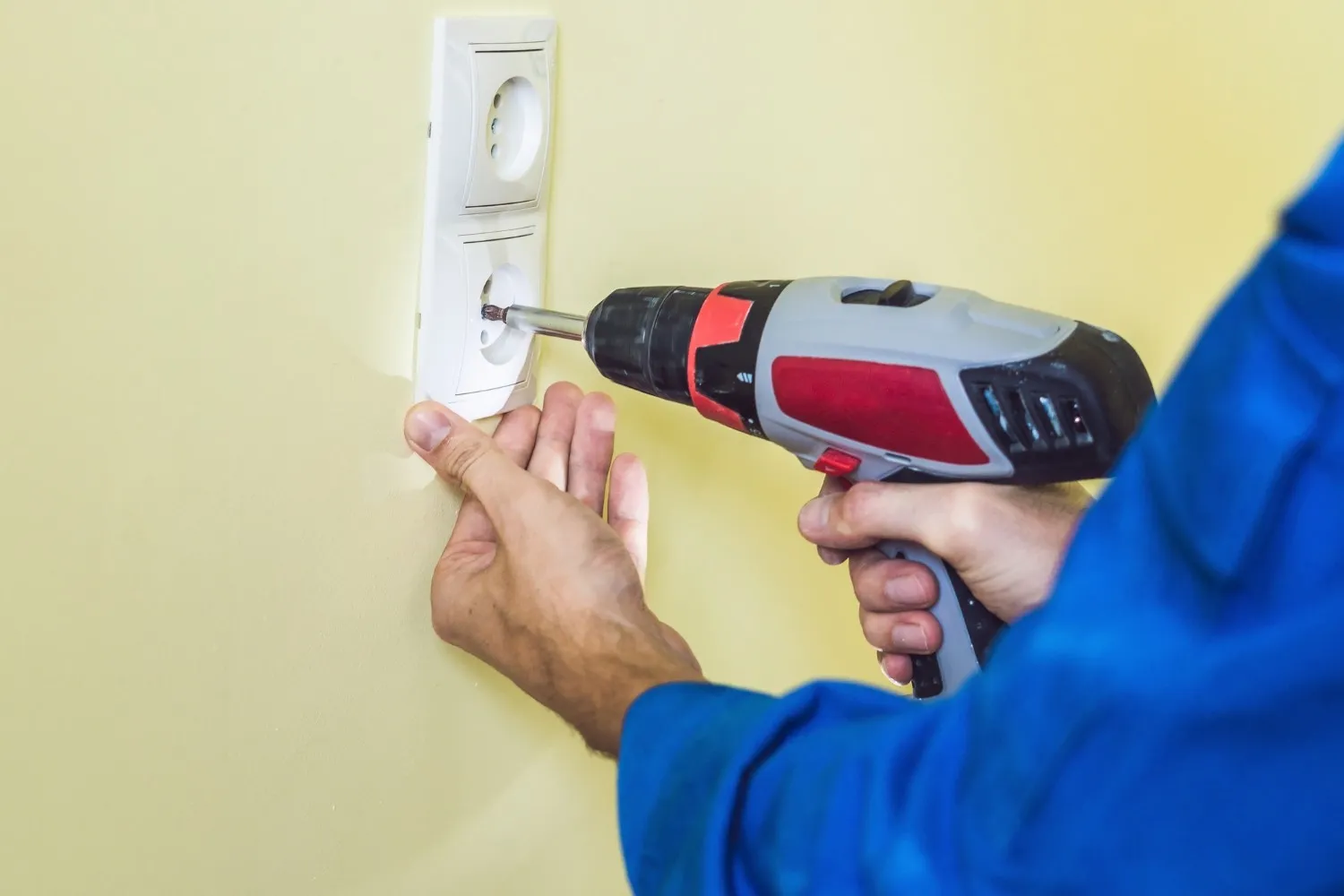
When you schedule service for a broken or malfunctioning switch, the priority is minimizing downtime and eliminating safety hazards. A standard service call involves a systematic approach to identifying the root cause of the failure. The issue is rarely just the toggle mechanism itself; often, loose terminal screws, degraded back-wiring, or faults in the branch circuit are to blame.
Upon arrival, a licensed technician assesses the entire circuit associated with the faulty switch. This includes checking voltage drops, inspecting the condition of the insulation on the wires, and verifying that the grounding path is continuous. In Troy, where housing stock varies from new developments to older mid-century homes, wiring methods differ significantly. A professional assessment determines if the failure is isolated or symptomatic of a larger issue, such as an overloaded circuit.
Service includes the removal of compromised devices and the installation of specification-grade components. Unlike builder-grade switches often found in residential construction, specification-grade devices feature heavier contacts, better heat dissipation, and stronger retention springs. This upgrade ensures longevity and reduces the likelihood of arcing, which is a primary cause of electrical fires. The workspace is kept clean, and all debris, including old devices and wire trimmings, is removed upon completion.
Switch Installation Details: Safety and Compliance
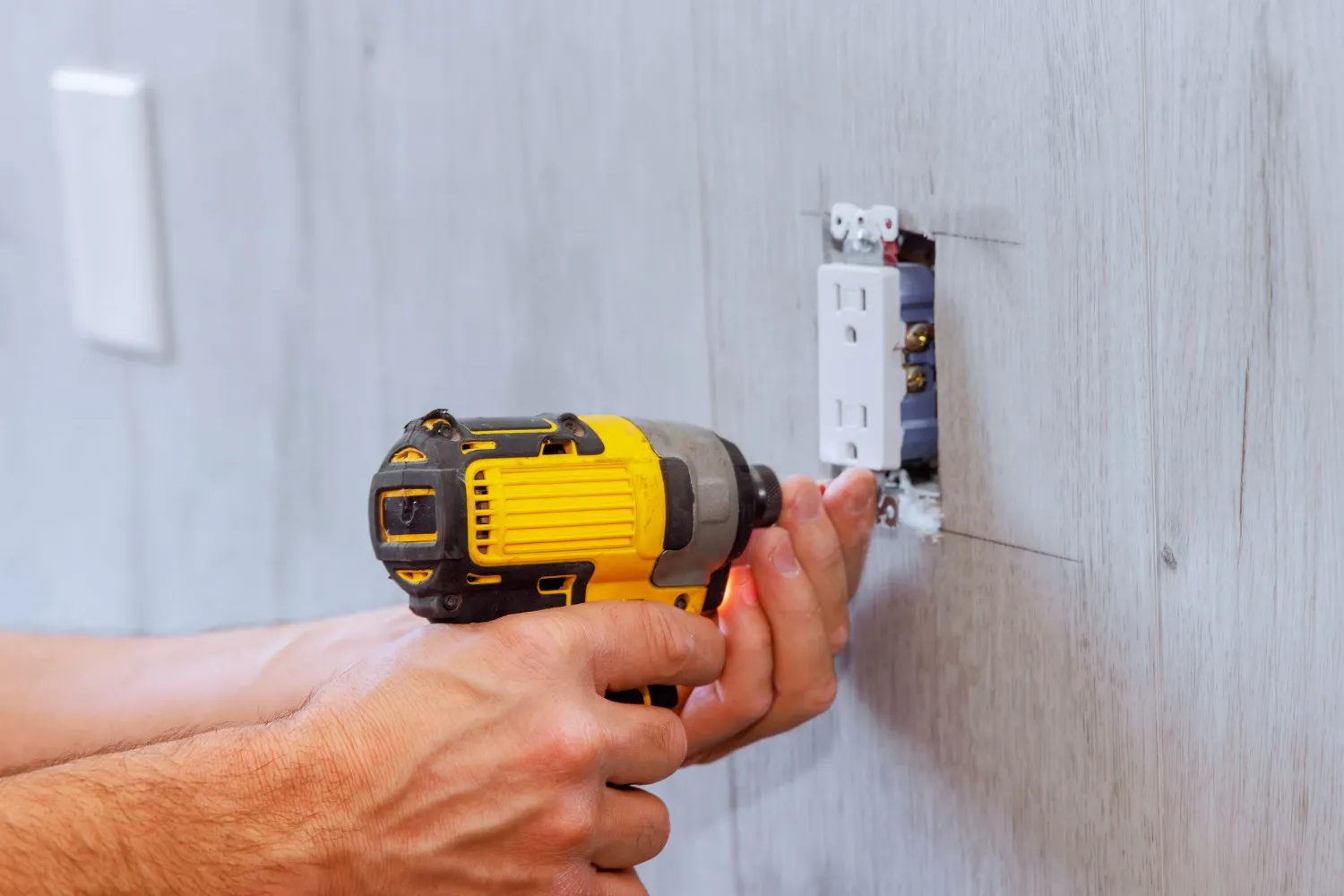
Installing a new switch requires more than connecting black wires to gold screws. Modern electrical standards demand specific protocols to ensure compatibility with today’s lighting loads, particularly LED technology. Improper installation can lead to buzzing fixtures, reduced bulb life, and overheating at the junction box.
Grounding and Neutral Requirements
Current National Electrical Code (NEC) standards emphasize safety through grounding. In many switch loops found in older homes, a neutral wire may not be present in the switch box. This becomes a critical factor when installing smart switches or timers, which consume a small amount of power to operate their internal electronics. Installing these devices without a neutral wire or improperly using the ground wire as a return path violates code and creates a shock hazard. Professional installation ensures that if a neutral is required, it is run correctly without compromising the system’s integrity.
Dimmer and Specialty Switch Configuration
Dimmers are not universal. The compatibility between the dimmer switch and the light fixture is essential for smooth operation.
- Triac Dimmers: Standard for incandescent and halogen bulbs but often cause flickering with LEDs.
- ELV (Electronic Low Voltage) Dimmers: Required for track lighting and recessed LEDs with electronic drivers.
- 0-10V Dimming: Often used in larger custom residential applications requiring dedicated low-voltage control wires.
Technicians ensure that the heat sink tabs on dimmer switches are managed correctly during installation. If multiple dimmers are ganged together in a single box, derating calculations must be performed to prevent the switches from overheating. This level of technical detail prevents premature failure and ensures smooth dimming performance without strobe effects.
Multi-Location Switching
Three-way and four-way switch configurations allow lights to be controlled from multiple locations, such as at the top and bottom of a staircase or at both ends of a hallway. Troubleshooting these circuits is complex due to the "traveler" wires involved. A common issue arises when a homeowner attempts a DIY replacement and misidentifies the common wire, resulting in a circuit that only works when one switch is in a specific position. Professional installation creates a logical, correctly wired multi-point control system.
When Replacement is Necessary: Cost-Efficiency Guide
Homeowners often hesitate to replace switches until they completely stop working. However, proactive replacement is often more cost-efficient than emergency repairs after a failure causes damage to the wiring insulation. Understanding the signs of imminent failure allows for scheduled maintenance rather than urgent interventions.
Physical and Audible Indicators
If a switch feels "mushy" or loses its distinct snap when toggled, the internal springs have failed. This results in poor contact pressure, increasing resistance and generating heat. A switch that feels warm to the touch is a red flag. While dimmers generate some operational heat, a standard toggle switch should never be hot. Crackling, popping, or buzzing sounds indicate arcing inside the device. This arcing creates carbon buildup, further increasing resistance and heat, eventually melting the device or igniting surrounding materials.
Aluminum Wiring Considerations
Homes built during the mid-1960s to early 1970s in the Troy area may feature aluminum branch wiring. Aluminum expands and contracts more than copper during thermal cycles, leading to loose connections over time. Standard switches are not rated for aluminum wire. Blue Heron Electrical technicians identify these risks and install CO/ALR rated devices or perform approved copper pigtailing using alumiconn connectors to ensure a safe, permanent connection.
Smart Home Upgrades
Replacing standard toggles with smart switches offers energy management benefits. Scheduling exterior lights to follow astronomical clocks (dusk to dawn) or automating interior lighting for security while away adds value to the home. Determining whether to repair an old mechanical timer or replace it with a Wi-Fi-enabled smart switch often leans toward replacement for better reliability and control.
Understanding Local Electrical Codes and Permits
Electrical work in Troy, MI, is governed by the Michigan Residential Code, which adopts and modifies the National Electrical Code. These regulations are not suggestions; they are legal requirements designed to protect inhabitants from electrocution and fire.
GFCI and AFCI Protection
Modern codes require different types of protection depending on the switch location.
- Bathrooms and Kitchens: Switches located within specific distances of water sources must be installed in conjunction with Ground Fault Circuit Interrupter (GFCI) protection to prevent shock.
- Living Areas and Bedrooms: New switch circuits often require Arc Fault Circuit Interrupter (AFCI) protection at the breaker panel. This technology detects dangerous arcing patterns that standard breakers miss.
Outdoor Switch Requirements
Given the humid continental climate of the region, outdoor switches are subjected to harsh conditions. Winters bring snow and ice, while summers are hot and humid. Outdoor switches for patio lighting or landscape features must be weather-resistant (WR rated) and protected by in-use "bubble" covers that seal out moisture even when cords are plugged in. Standard indoor switches installed outside will corrode rapidly, leading to short circuits.
Permitting and Inspections
While swapping a like-for-like device sometimes falls under minor maintenance, running new switch legs, adding lighting zones, or modifying circuits requires a permit. Professional electricians manage the permitting process, ensuring that the work passes inspection. Unpermitted electrical work can complicate real estate transactions and may lead to insurance claims being denied in the event of an electrical fire.
Why Choose Us? Experience, Reliability, Satisfaction
Selecting the right contractor for electrical work defines the quality and safety of the result. Decision-making should prioritize technical expertise and accountability over the lowest initial bid.
Technical Competence
The team is comprised of licensed professionals who undergo continuous training on code updates and new lighting technologies. Trucks are stocked with a wide inventory of devices, plates, and diagnostic tools, enabling the completion of most repairs in a single visit. This efficiency reduces disruption to the household routine.
Respect for Property
Electrical repair often requires accessing wall cavities or working near finished surfaces. Technicians utilize drop cloths and shoe covers to protect flooring and furniture. Faceplates are installed using levels to ensure perfect alignment, and screws are painted or selected to match the device for a seamless aesthetic finish.
Warranty and Peace of Mind
Repairs and installations are backed by warranties on both labor and parts. If a switch fails prematurely or a connection loosens, the issue is rectified at no additional cost. This accountability ensures that the investment in professional service yields long-term reliability.
Safety-First Culture
Every service call includes a visual inspection of the immediate electrical environment. If a technician notices a compromised panel, lack of grounding, or other hazards while replacing a switch, the homeowner is informed immediately with clear options for resolution. The goal is to leave the electrical system safer than it was found.
Direct Communication
From the initial inquiry to the final walkthrough, communication is clear and jargon-free. Technicians explain what went wrong, how it was fixed, and how to operate any new controls installed. There are no hidden fees or surprise charges; the scope of work is defined and agreed upon before tools are applied.
Call Now
Blue Heron Electrical is dedicated to maintaining the safety and functionality of homes throughout the region. Whether dealing with a single broken dimmer or upgrading an entire home to smart lighting, the focus remains on quality craftsmanship and adherence to strict safety standards.
Don't let faulty wiring compromise the safety of your home or family. Secure a professional assessment and lasting repair today; schedule your service now.
Customer Testimonials

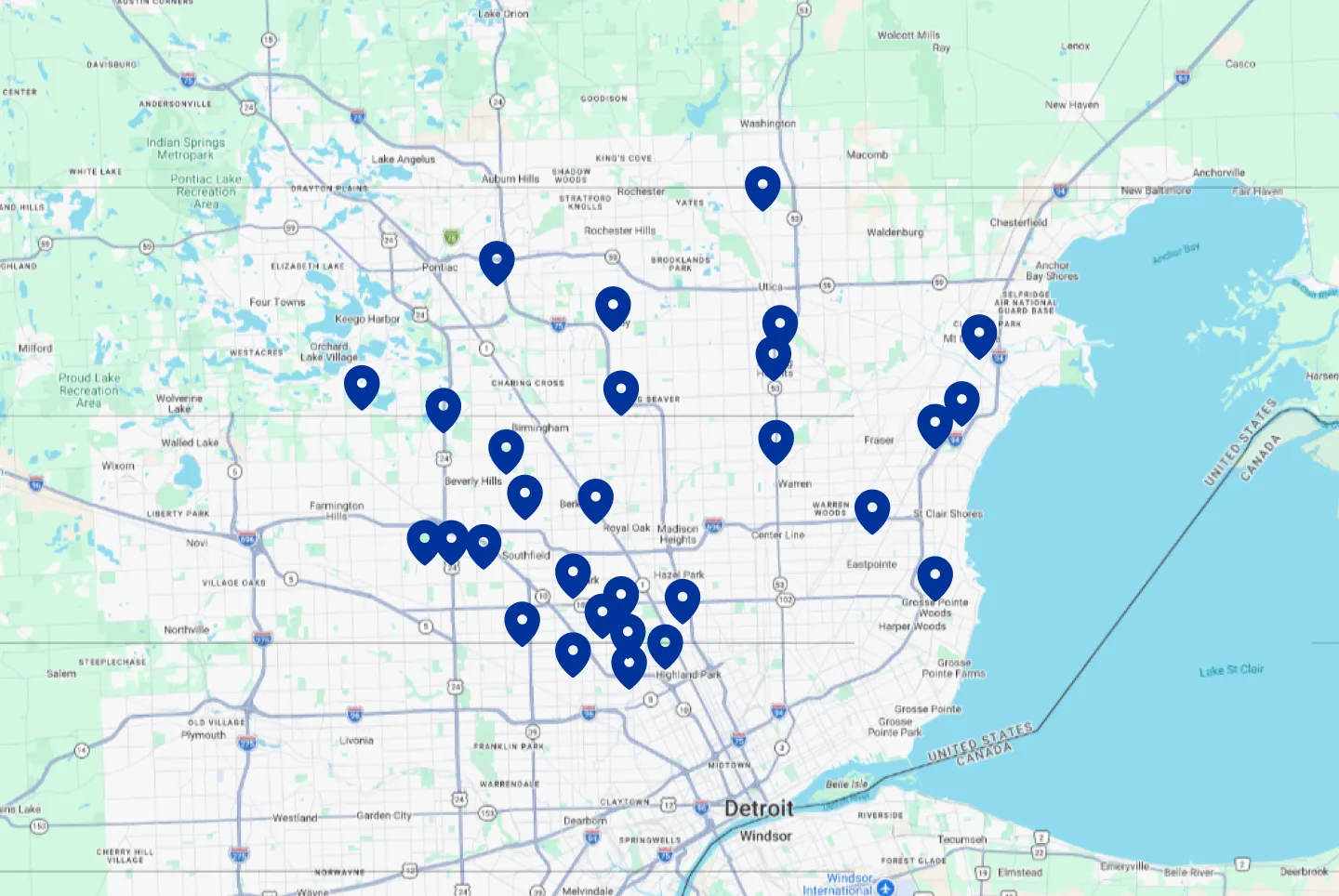
Service Areas