
Generator Maintenance in Troy, MI
Stressed by Generator Failure? Get Reliable, Quick Repair!
Dealing with a generator that won’t start can be frustrating, especially during an unexpected power outage in Troy's chilly winters or humid summers. Blue Heron Electrical offers fast, certified generator maintenance to ensure your power is back on when you need it most. Contact us today to schedule your diagnostic visit or discuss financing options.
- 24-hour emergency service to restore your comfort swiftly.
- Certified technicians use quality parts for reliable repairs.
- Upfront pricing and transparent service contracts.
All services are fully licensed, insured, and backed by a comprehensive warranty.
What to Expect From Professional Generator Maintenance
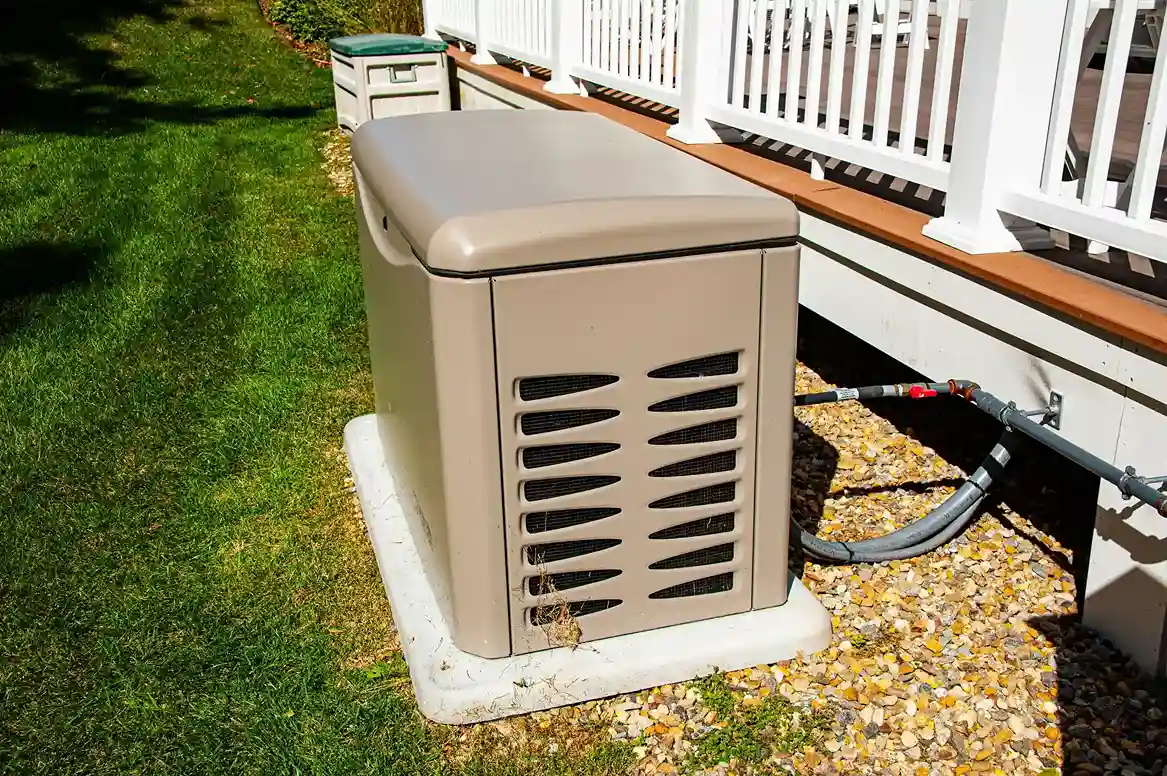
A standby generator is a complex machine that bridges the gap between the utility grid and your home’s electrical panel. When you schedule a maintenance visit, the primary goal is ensuring the system detects a power loss and transfers the load within seconds. Maintenance is not simply kicking the tires; it is a rigorous inspection of mechanical and electrical systems to prevent failure during critical weather events.
Homeowners in Troy understand that reliable backup power is essential when temperatures drop to the teens. A generator that fails to exercise or switch over can lead to frozen pipes, lost heat, and compromised security systems. Professional maintenance covers the engine, the alternator (which generates the electricity), and the transfer switch. Each component requires specific attention to function correctly as a cohesive unit.
The scope of a standard maintenance visit includes checking fluid levels, inspecting electrical connections, and testing the control logic. Over time, vibration can loosen wiring, and moisture can corrode contacts. These issues often go unnoticed until the unit fails to start during a blackout. A systematic approach ensures that small irregularities are corrected before they require expensive repairs or total unit replacement.
Comprehensive Inspection and Service Protocol
A thorough maintenance appointment follows a strict protocol to ensure no component is overlooked. This process is designed to return the generator to factory specifications and verify that it can handle the electrical load of your home.
Visual and Mechanical Inspection
The technician begins by inspecting the enclosure for debris, rodent nests, or physical damage. Airflow obstructions are cleared to prevent overheating. The base and mounting pads are checked for leveling, as shifting ground can strain fuel lines and electrical conduit.
Lubrication System Service
Old oil is drained and replaced with high-quality synthetic oil suitable for Michigan’s varying climate. The oil filter is replaced to ensure contaminants do not damage the engine bearings. Technicians check for oil leaks around seals and gaskets, which can indicate overheating or excessive wear.
Cooling and Fuel System Check
For liquid-cooled units, coolant levels and freezing point protection are verified. Hoses and clamps are inspected for brittleness. Fuel lines (natural gas or propane) are leak-tested. Sediment traps in the fuel line are cleaned to prevent debris from clogging the carburetor or fuel injectors.
Electrical System Analysis
The starting battery is load-tested to ensure it has sufficient Cold Cranking Amps (CCA) to turn the engine over in freezing temperatures. Battery terminals are cleaned of corrosion and treated with a protectant. The battery charger is tested to confirm it is maintaining the proper float voltage.
Ignition and Intake Service
Spark plugs are inspected for gap and fouling; they are replaced if necessary to ensure a strong spark. The air filter is checked and changed if it is clogged with dust or pollen, ensuring the engine receives the proper air-to-fuel ratio for efficient combustion.
Operational Testing
Blue Heron Electrical technicians manually start the generator to verify engine speed (RPM) and frequency (Hertz). Output voltage is measured at the breaker to ensure it falls within the safe range for your home appliances. Any error codes stored in the controller history are reviewed and addressed.
Automatic Transfer Switch (ATS) Verification
The ATS is the brain of the backup system. The technician simulates a utility power failure to confirm the switch disconnects from the grid and connects to the generator automatically. The timing of the transfer is calibrated to prevent "chattering" or delayed engagement.
Deciding When to Repair vs. Replace Your Unit
Generators are built to last, but they are not indefinite. Determining whether to invest in a significant repair or opt for a full replacement involves analyzing the age of the unit, the cost of the repair, and the availability of parts.
The Age Factor
Most air-cooled standby generators have a lifespan of 10 to 15 years, depending on usage and maintenance adherence. Liquid-cooled units may last longer. If your unit is approaching the end of this window, major component failures (like a stator or rotor winding burnout) usually signal that replacement is more economical than repair.
The 50% Rule
A general guideline in the industry is the 50% rule. If the cost to repair the unit approaches or exceeds 50% of the cost of a new generator, replacement is the smarter financial decision. New units come with fresh warranties and improved efficiency that older models cannot match.
Parts Availability
As manufacturers update their product lines, parts for older models become obsolete or require long lead times to source. If a critical component like the control board is no longer manufactured, keeping the old unit running becomes a liability. Reliance on refurbished or aftermarket parts can reduce system reliability.
Frequency of Breakdowns
If you find yourself calling for service multiple times a year for different issues, the unit has likely become unreliable. A "lemon" or a severely worn-out unit poses a risk. In emergency scenarios, you need certainty, not a gamble. Constant repairs often result in a cumulative cost higher than a modern, warranty-backed installation.
Capacity Changes
Home electrical demands change over time. If you have added central air conditioning, an EV charger, or a hot tub since the original generator installation, the old unit may be undersized. An undersized generator can stall, overheat, or damage sensitive electronics. Replacement allows you to resize the system to match your current kilowatt needs.
Local Factors Impacting Generator Functionality
Operating a generator in this region requires specific attention to environmental factors. The climate and local infrastructure directly influence how a generator should be maintained and equipped.
Cold Weather Performance
With annual snowfall averaging around 40 inches and temperatures frequently dropping below zero, cold weather kits are essential. These kits often include battery warmers and oil block heaters. Without them, oil becomes viscous, and batteries lose capacity, leading to "overcrank" faults where the engine fails to start. Maintenance visits in late autumn focus heavily on winterization.
Snow and Ice Management
The generator requires clearance for air intake and exhaust. Heavy snowfall can bury the unit, causing it to suffocate and shut down due to high temperature or lack of oxygen. The exhaust area must remain clear to prevent carbon monoxide from drifting back into the home or being trapped around the enclosure.
Humidity and Condensation
Summers here bring high humidity. Temperature fluctuations can cause condensation to form inside the alternator and transfer switch. This moisture can lead to rust on the rotor and stator or corrosion on electrical contacts. Regular exercise cycles (the weekly self-test) help burn off this moisture, but annual inspections are required to clean internal components.
Permitting and Code Compliance
Local regulations regarding noise levels and placement relative to property lines and windows must be respected. Maintenance or upgrades often trigger a review of current code compliance. Ensuring that the gas piping size meets the BTU requirements of the generator is critical; undersized piping is a common reason for units stalling under heavy load.
Utility Power Stability
Regional grids can experience voltage sags or "brownouts" before a total blackout. A properly calibrated voltage regulator on your generator ensures that when the transfer happens, your sensitive electronics (computers, HVAC boards) do not receive a surge or dirty power.
Why Specialized Maintenance is Non-Negotiable
Ignoring generator maintenance effectively voids the investment you made in the equipment. Unlike a car that might run poorly when neglected, a generator that fails during an outage defeats its entire purpose.
Warranty Protection
Manufacturers require proof of annual maintenance by certified professionals to honor warranty claims. Skipping these visits or attempting DIY repairs often leads to voided warranties. If a major part fails, the manufacturer will request maintenance logs before approving the replacement.
Safety Assurance
Generators burn combustible fuel and produce high-voltage electricity. Leaking fuel lines, blocked exhaust vents, or back-feeding electricity into the grid pose lethal risks. Carbon monoxide poisoning is a genuine threat if the exhaust system is compromised. Certified technicians test safety shutdowns to ensure they trigger correctly in dangerous conditions.
Fuel Efficiency
A well-tuned engine consumes fuel efficiently. During a prolonged outage that lasts several days, fuel conservation matters. A clogged filter or fouled plugs can increase fuel consumption, potentially draining your propane tank faster than anticipated or increasing your natural gas bill unnecessarily.
Longevity of Investment
Routine care extends the operational life of the system. By catching wear early such as a fraying drive belt or a slightly bulging battery you prevent catastrophic damage that destroys the engine block or alternator.
Secure Your Power Supply Today
Your home relies on electricity for heat, security, and communication. A standby generator is the defense against unpredictable weather and grid instability, but it requires regular attention to remain effective. Don't wait for the next winter storm or summer thunderstorm to discover your backup system is offline.
Ensure your generator is ready to perform the moment the grid goes down. Secure your peace of mind with professional inspection and repair services tailored to your specific equipment and local conditions.
Call now to book your comprehensive generator maintenance service and keep your lights on no matter the weather.
Customer Testimonials

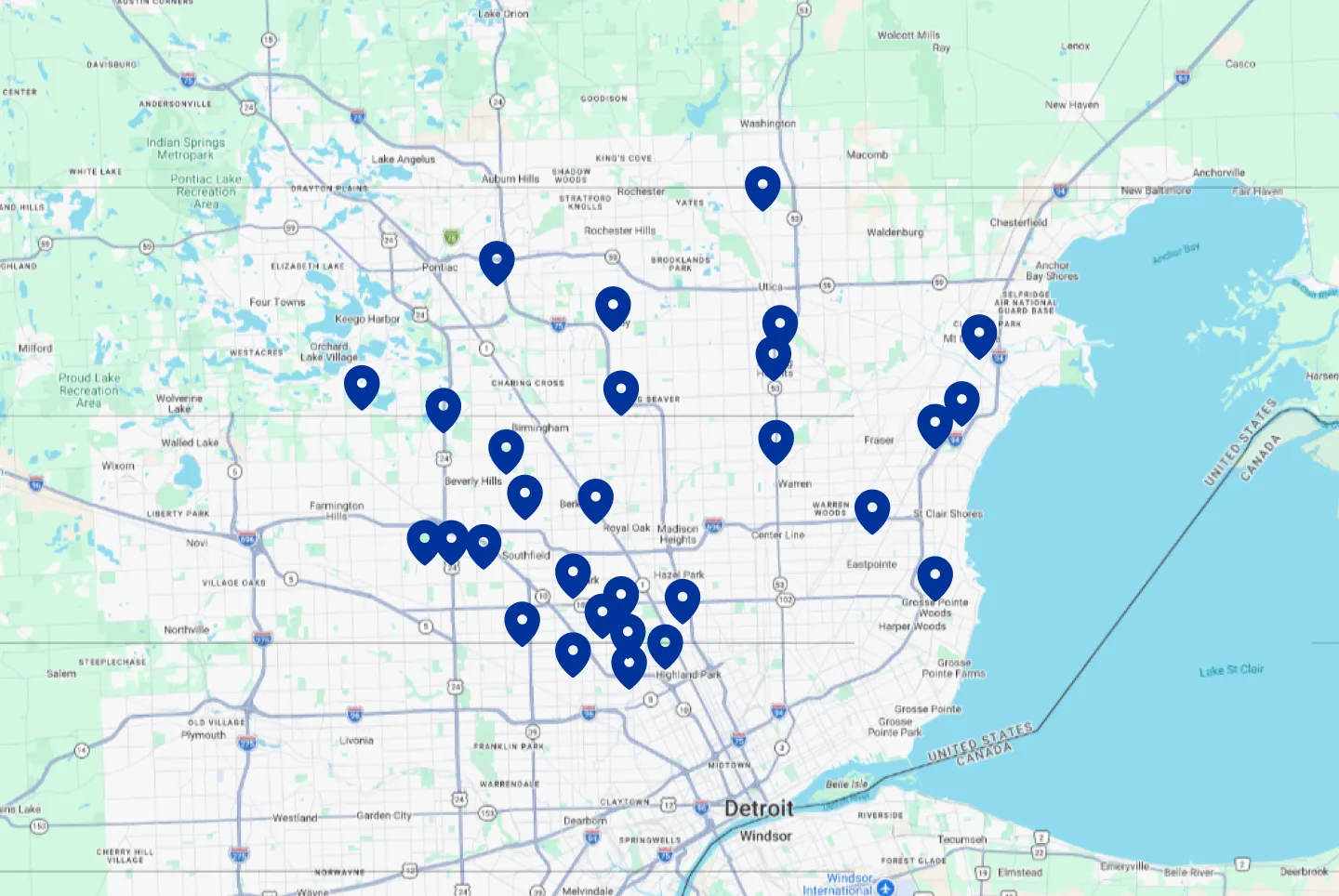
Service Areas