
Aluminum Wiring Replacement in Troy, MI
Resolving Aluminum Wiring Risks in Your Home
Experiencing flickering lights, buzzing outlets, or frequent breaker trips can be alarming, but these are often specific indicators of outdated aluminum wiring that requires immediate professional attention to mitigate fire risks. If you suspect your home’s electrical system is compromised, contact us immediately to schedule a safety assessment or discuss financing options for remediation.
Many homes built between the mid-1960s and early 1970s utilize aluminum wiring instead of copper. While aluminum conducts electricity, it has distinct physical properties that make it prone to loosening at connection points over time. This loosening creates gaps that cause arcing, overheating, and potential electrical fires. Residents in Troy, MI, living in homes from this era must address these connections to ensure safety and satisfy insurance requirements. Blue Heron Electrical provides comprehensive diagnostic and remediation services designed to secure your home’s electrical infrastructure.
- Safe, compliant rewiring or pigtailing with minimal home disruption.
- Upfront, transparent pricing without hidden fees or surprise costs.
- Quick scheduling with licensed local electricians who specialize in older homes.
All services are performed by our certified professionals, fully licensed and compliant with local building codes.
Addressing Fire Hazards with Code-Compliant Remediation
The primary objective of aluminum wiring services is not always a complete removal of every wire in the home, but rather the permanent stabilization of the connections where failures occur. The danger lies in the connection points, outlets, switches, light fixtures, and junction boxes, where aluminum wire expands and contracts differently than the brass or copper screws it touches. This physical reaction, known as thermal expansion and creep, eventually leads to loose connections and high resistance.
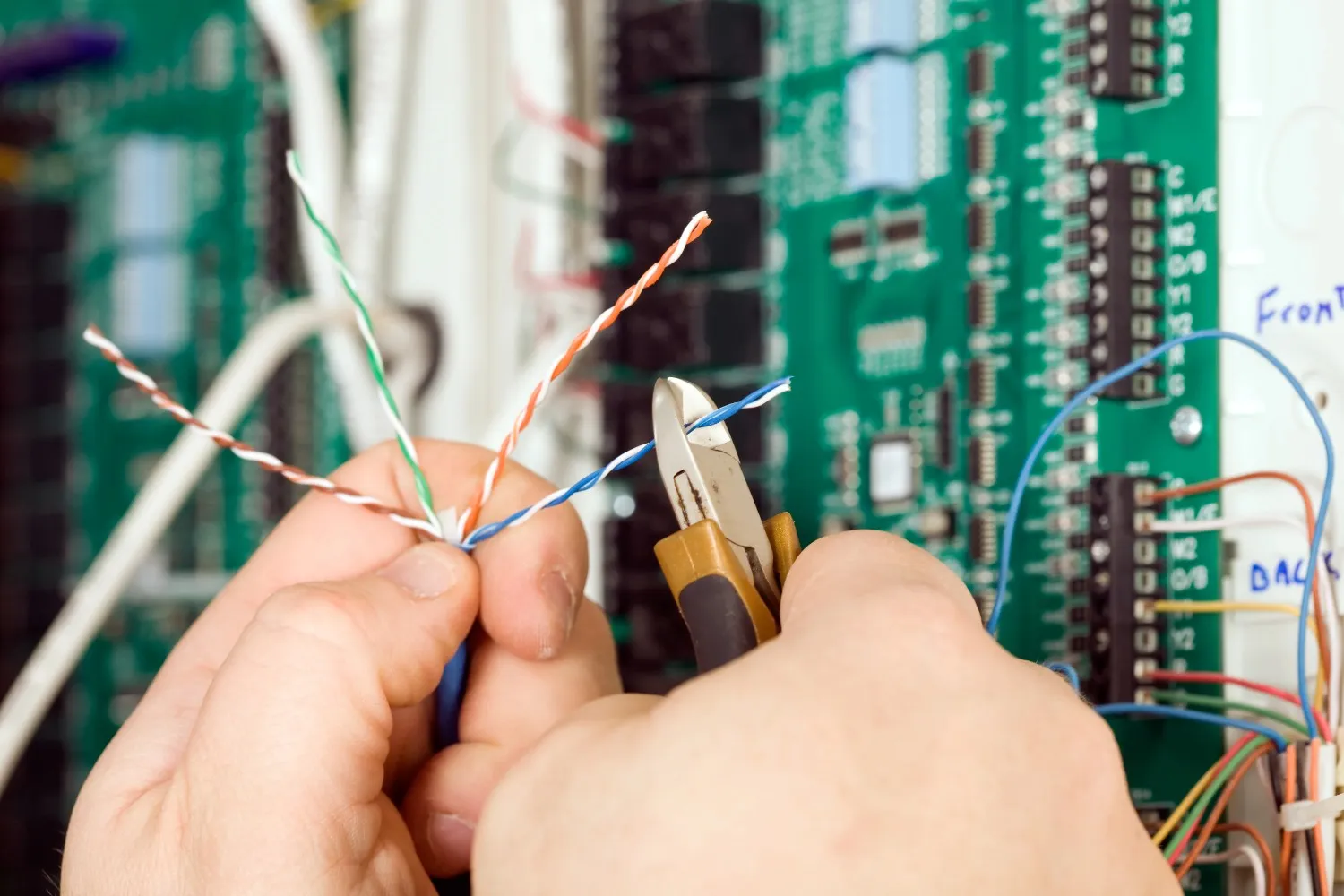
When you engage a professional service for this issue, the scope of work focuses on eliminating these high-resistance points. A comprehensive solution involves a room-by-room assessment of every electrical device in the house. This includes opening every switch and outlet to inspect the condition of the existing wire insulation. If the insulation is intact, specific code-approved connectors are installed to bridge the aluminum wire to a new piece of copper wire. This process, often called "pigtailing," allows the continued use of standard electrical devices while negating the fire risk associated with direct aluminum connections.
For homeowners, this service provides immediate restoration of safety standards. It satisfies the rigorous demands of home insurance carriers, many of whom may threaten to drop coverage or increase premiums if aluminum wiring is not certified as safe by a licensed electrician. You receive a certification of compliance upon completion, providing documentation that the electrical system meets current safety standards.
The Aluminum Remediation and Replacement Process
Addressing aluminum wiring is a systematic procedure that requires precision and adherence to specific protocols established by the Consumer Product Safety Commission (CPSC). Unlike general electrical repair, this process requires specialized tools and materials designed specifically to handle the softness and oxidation properties of aluminum.
- First, a thorough electrical audit is conducted. This involves mapping the home’s circuits to identify which branch circuits utilize aluminum conductors. In many Troy homes, the dedicated circuits for heavy appliances like dryers or ranges may already be copper or safe aluminum alloys, while the general lighting and outlet circuits pose the risk. The audit determines the exact scope of the project.
- Next, the technician prepares the workspace to access all receptacles, switches, and lighting boxes. Power is shut down to ensure safety. The electrician removes existing devices to expose the wiring. Each wire end is inspected for signs of scorching, melting, or brittle insulation. If significant heat damage is found, that specific section of wire may need to be cut back or replaced entirely.
- Following the inspection, the remediation phase begins. The most effective method involves using CPSC-approved connectors, such as AlumiConn lugs or COPALUM crimps. These connectors are engineered to maintain a permanent, tight bond even as the wires heat and cool. They separate the aluminum and copper wires to prevent galvanic corrosion, a chemical reaction that occurs when dissimilar metals touch. An anti-oxidant compound is often applied to further prevent surface corrosion on the aluminum conductor.
- Finally, new, specification-grade devices (switches and outlets) are installed. Once the pigtailing is complete, the copper ends are connected to the new devices. The system is then re-energized, and each circuit is load-tested to ensure stability. A final inspection verifies that all connections are secure, and the workspace is cleaned, leaving the home exactly as it was found, but significantly safer.
Determining Whether to Repair or Replace Your Electrical System
Homeowners often face a difficult decision between a complete home rewire and a remediation (pigtailing) service. Understanding the distinction is vital for making the right financial and logistical choice for your property.
Complete Rewiring
A full rewire involves removing all old aluminum cables from the walls and ceiling and replacing them with new copper non-metallic (Romex) cable.
- This is the most comprehensive solution and effectively resets the clock on the home’s electrical system.
- It is typically necessary if the insulation on the existing aluminum wire is crumbling, brittle, or chemically degrading.
- This option is invasive, requiring cuts into drywall and ceilings to fish new wires through studs and joists. It is often best reserved for major renovations where walls are already being opened.
Copper Pigtailing (Remediation)
Remediation involves securing the connections without removing the cables behind the walls.
- This is the industry-standard solution for the vast majority of homes where the cable insulation remains in good condition.
- It is significantly less expensive and faster than a full rewire.
- It creates virtually no damage to drywall or paint, as all work is contained within the existing electrical boxes.
- This method is accepted by almost all insurance carriers and meets the safety recommendations of the CPSC when performed by licensed professionals.
The decision largely depends on the condition of the wire insulation. If the wire itself is intact, remediation is the preferred, cost-effective route. If the wire is deteriorating along its length, not just at the ends, replacement becomes the only safe option.
Managing Electrical Demands and Local Regulations
The electrical infrastructure in Troy, MI, faces unique stress factors driven by the regional climate. The significant temperature variance between freezing winters and humid summers creates heavy load demands on electrical systems. During summer, air conditioning units draw substantial power, heating up the internal wiring. In winter, space heaters and furnace blowers add to the load.
Aluminum wiring is particularly sensitive to these load cycles. As current flows through the wire, it heats up and expands. When the load stops, it cools and contracts. Aluminum expands more than copper. Over decades of Michigan seasons, this repeated cycle causes the wire to "creep" out from under standard screw terminals. This creates a gap. Electricity arcing across that gap reaches temperatures capable of igniting surrounding materials.
Local building codes and permit requirements are strict regarding how these issues are handled. Electrical work of this magnitude requires a permit from the local building department. This ensures that a municipal inspector reviews the work to verify it meets safety codes. Professional electricians handle the permitting process entirely, scheduling the inspection and ensuring the work passes on the first review. This compliance is essential not just for safety, but for maintaining the resale value of the home. Future buyers and home inspectors will look for evidence that aluminum wiring has been professionally addressed.
Why Specialized Handling Matters for Aluminum Wiring
Aluminum wiring remediation is not a task for a general handyman or a DIY enthusiast. The margin for error is non-existent. Standard wire nuts and electrical tape are insufficient and dangerous when used with aluminum. The specific connectors required for safe remediation must be torqued to precise manufacturer specifications using torque screwdrivers. Over-tightening can crush the soft aluminum wire, causing it to break, while under-tightening leaves the connection loose and prone to arcing.
Furthermore, general-purpose "purple" wire nuts, often sold at hardware stores as a quick fix, are frequently considered insufficient by electrical safety experts for long-term repairs due to their high failure rates under heavy load. Specialized knowledge of dielectric greases and oxide inhibitors is also required to prevent the aluminum from oxidizing, which creates an insulating layer that blocks current and increases heat.
Blue Heron Electrical utilizes only the highest-grade connectors and tooling specifically designed for aluminum-to-copper transitions. Our approach ensures that the galvanic corrosion, which typically plagues these connections, is chemically and physically prevented. We also assess the main electrical panel. Often, the breakers themselves must be inspected to ensure they are rated for use with aluminum wire. If the service panel contains outdated equipment or signs of bus bar corrosion, we address the system holistically to ensure the entire path of electricity is secure.
Securing Your Home Investment
Ignoring the signs of failing aluminum wiring puts your property and family at unnecessary risk. The symptoms, warm cover plates, flickering lights, and the distinct smell of burning plastic, are warnings that the system is degrading. Addressing this issue proactively eliminates the fire hazard and modernizes your electrical system for today’s high-demand appliances.
Whether you require a focused remediation of connection points or a discussion about replacing aging circuitry, professional intervention is the only path to guaranteed safety. We ensure that your home meets all local safety standards and insurance requirements.
Secure your home against electrical hazards today. Contact us now to schedule your comprehensive wiring inspection and remediation service.
Customer Testimonials

Service Areas