
Whole House Rewiring in Troy, MI
Is Your Home's Wiring Outdated? Secure and Update Now
Living with outdated wiring isn't just inconvenient; it's a safety hazard that threatens your property and family. Upgrading your home's wiring can prevent potential disasters, eliminate power fluctuations, and significantly increase electrical efficiency. Many homeowners in Troy, MI, unknowingly rely on electrical infrastructure that was never designed to handle the load of modern appliances, home systems, and electronics.
- Enhance your home's safety with compliant and updated electrical systems.
- Reduce risks and potential costs from electrical malfunctions.
- Increase your property value with modern, energy-efficient wiring. All wiring projects are compliant with local code, with comprehensive warranties and financing options.
Secure Your Home with Professional Rewiring
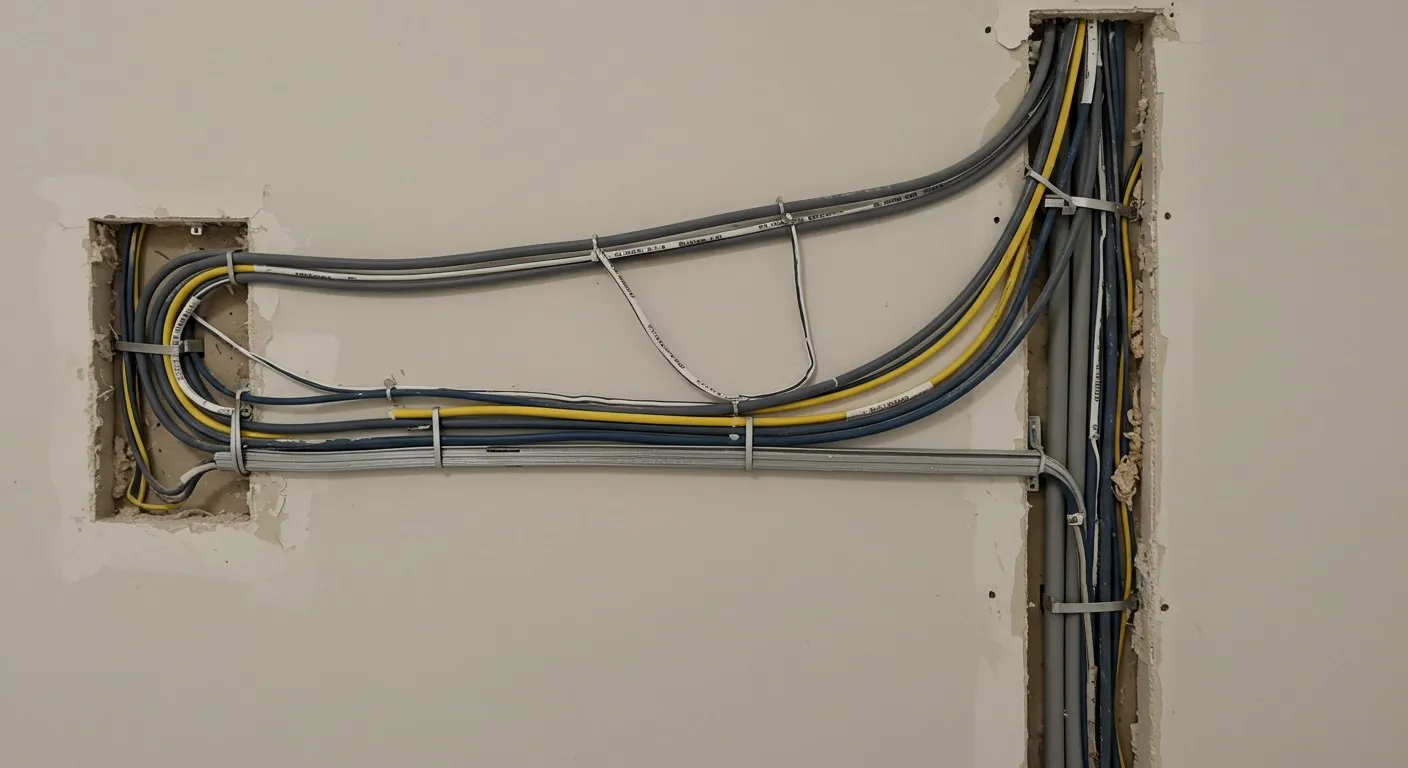
Electrical fires remain one of the leading causes of property damage across the United States, and the risk increases exponentially with the age of a home’s electrical system. If your property was built more than 40 years ago, there is a high probability that the wiring inside your walls has degraded or is made of materials that are no longer code-compliant, such as aluminum or knob-and-tube wiring. Blue Heron Electrical provides whole-house rewiring services designed to bring your property up to current National Electrical Code (NEC) standards, ensuring that your electrical system is safe, grounded, and capable of supporting modern energy demands. A full rewire is not merely a repair; it is a capital improvement that resets the clock on your home’s electrical safety. The demand for electricity in a standard household has tripled in recent decades due to high-draw appliances, high-end appliances, electric vehicle charging stations, and home office setups. Old insulation on wires can become brittle and crack, leading to arcing and sparking behind drywalls where it cannot be seen until it is often too late. By choosing to rewire, you eliminate these hidden dangers. Beyond safety, a modern electrical system improves the functionality of your living space. Older homes often suffer from a scarcity of outlets, forcing residents to rely on dangerous extension cords and power strips. A rewire allows for the strategic placement of new outlets, dedicated circuits for heavy-duty appliances, and hardwired smoke and carbon monoxide detectors. For residents in Troy, where seasonal weather fluctuates from freezing winters to humid summers, having a reliable electrical system to power climate control equipment without tripping breakers is essential for comfort and safety.
What Rewiring Involves: Process and Time Estimate
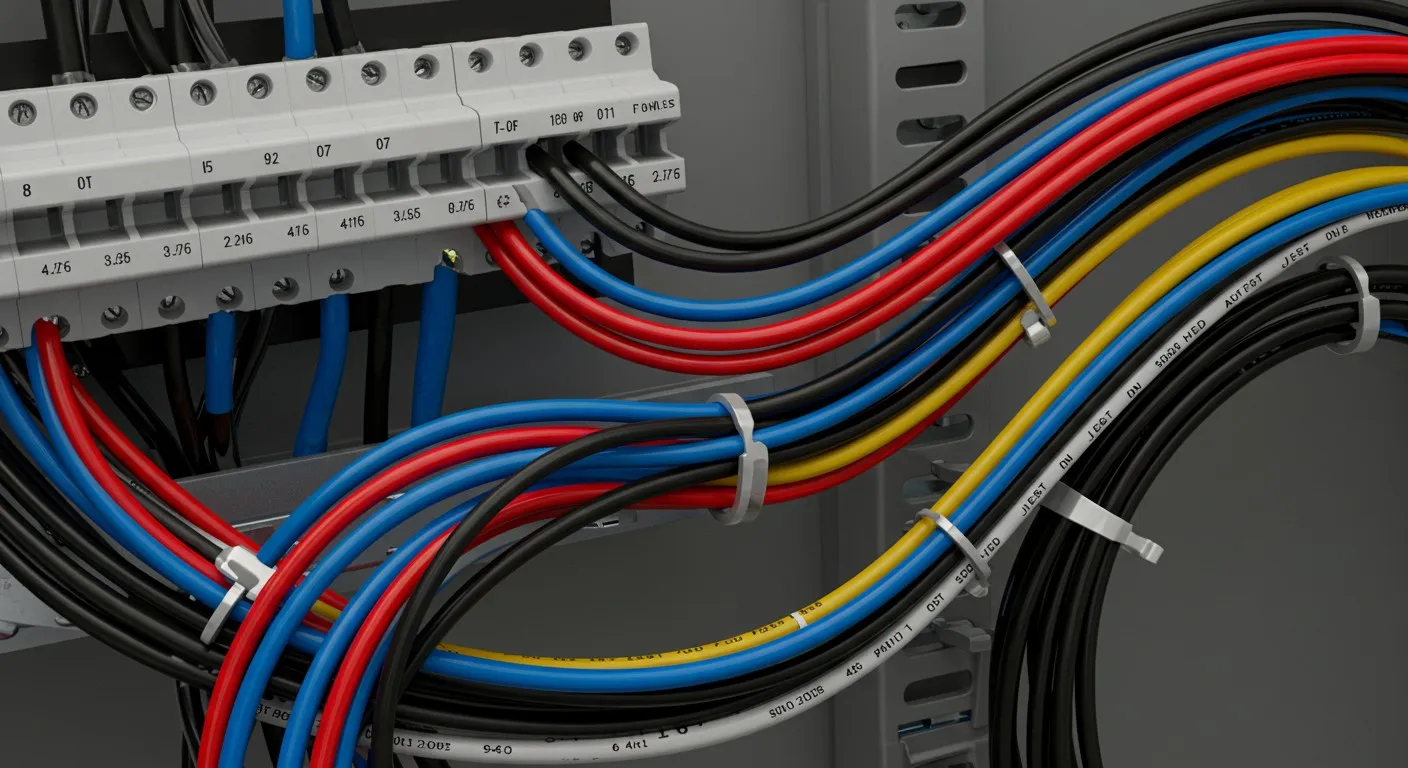
Understanding the scope of a whole-house rewire is critical for homeowners entering the decision phase. This is an intrusive and labor-intensive project, but the long-term peace of mind is unmatched. The process involves removing or bypassing the old wiring throughout the entire structure and running new, non-metallic (NM) sheathed copper cable. This creates a grounded system that protects your appliances and sensitive electronics from surges. A standard whole-house rewire typically includes several key components:
- Removal and Replacement: We disconnect and remove accessible old wiring. In instances where removal is destructive to historical features, old wiring is safely abandoned and permanently disconnected from the power source.
- Service Panel Upgrade: Most rewiring projects require upgrading the main electrical panel to 200 amps to accommodate the new circuits and increased load capacity.
- Device Installation: This includes the installation of new receptacles (outlets), switches, and lighting fixtures. We also install Ground Fault Circuit Interrupter (GFCI) outlets in wet areas like kitchens and bathrooms, and Arc Fault Circuit Interrupter (AFCI) breakers for living areas, as required by code.
- Grounding and Bonding: We ensure the entire electrical system is properly grounded to the earth and bonded to water and gas pipes to prevent electrical shock.
- Hardwired Safety Devices: Installation of interconnected smoke and carbon monoxide detectors ensures that if one alarm sounds, they all sound. The timeline for a project of this magnitude varies based on the size of the home, the accessibility of the walls and ceilings, and whether the home is occupied during the work. Generally, a complete rewire takes between three to ten days. For a standard 2,000-square-foot home with open access (attics and crawlspaces), the timeline is often on the shorter end. However, larger homes or those with finished basements and limited access points may require additional time to snake wires carefully with minimal damage to drywall.
Step-by-Step Guide to Our Rewiring Service
We utilize a systematic approach to rewiring to ensure efficiency, safety, and minimal disruption to your daily life. We understand that opening walls and cutting power is stressful, so our protocol focuses on organization and communication.
- Initial Assessment and Load Calculation: The process begins with a detailed walkthrough. We map out existing circuits, identify the location of the main service drop, and calculate the electrical load required for your current and future needs. This stage determines the size of the panel needed and the routing strategies for the new wire.
- Permitting and Logistics: Before a single wire is cut, we secure all necessary electrical permits from the local building department in Troy. We also coordinate with the local utility company if the service meter needs to be pulled or upgraded.
- Preparation and Protection: We prepare the work area by covering furniture and flooring. If wall cuts are necessary to fish wires through finished spaces, we mark these areas clearly.
- The Rough-In Phase: This is the most labor-intensive part of the job. Technicians drill holes in studs and joists to run the new cabling. We install new device boxes for outlets and switches. During this phase, the power may need to be shut off for safety, though we often set up temporary power solutions for critical needs like refrigerators.
- Inspection (Rough): Once the wires are run but before the walls are patched (if opened) or devices are installed, a local electrical inspector must review the work. They check for proper wire sizing, circuit separation, and safety plating on studs.
- The Trim-Out Phase: After the rough inspection passes, we install the actual devices, outlets, switches, and fixtures. The new wiring is connected to the new circuit breaker panel. This is when your home transitions from the old system to the new one.
- Final Inspection and Energizing: A final inspection is conducted to ensure every connection is tight, every circuit is labeled, and safety systems like GFCIs and AFCIs are functioning correctly. Once approved, the system is fully energized.
Deciding Between Rewiring and Repair: What You Need to Know
Determining whether to invest in a full rewire or simply repair specific issues is a major decision. While repairs are less expensive upfront, they are often temporary fixes for systemic problems. If your home’s electrical foundation is crumbling, patch-jobs can end up costing more over time and fail to address the root safety risks. You should consider a full rewire if you observe the following conditions:
- Cloth-Insulated Wiring: Used heavily before the 1960s, cloth insulation degrades over time, exposing the live wire underneath. If you see cloth-wrapped wires in your attic or basement, replacement is the only safe option.
- Knob-and-Tube Wiring: This is the oldest form of residential wiring. It lacks a ground wire, meaning your appliances are vulnerable to surges and you are at higher risk of shock. Insurance companies often refuse to cover homes with active knob-and-tube systems.
- Aluminum Wiring: Prevalent in homes built in the late 1960s and early 1970s, aluminum wiring expands and contracts differently than copper, leading to loose connections and a significant fire hazard at outlets and switches.
- Persistent Circuit Breaker Trips: If your breakers trip constantly or fuses blow repeatedly, it indicates that the circuit is overloaded. While a single circuit can be upgraded, widespread tripping suggests the entire system is undersized for your usage.
- Physical Damage Signals: Scorch marks around outlets, buzzing sounds from switches, or a burning plastic smell are immediate red flags. These signs indicate that arcing is occurring inside the walls.
- Renovation Plans: If you are planning a major kitchen or bath remodel, most building codes will require you to bring the electrical in that area up to current standards. It is often more cost-effective to rewire the rest of the house simultaneously while walls are already open. Repair is typically a viable option only if the issue is isolated, such as a single faulty breaker, a broken outlet, or a damaged fixture, and the surrounding wiring is modern copper with a ground wire. However, if the wiring feeding that device is obsolete, repair is merely a band-aid.
Local Compliance and Seasonal Advice for Rewiring
Electrical work in Michigan is subject to strict regulatory oversight to ensure the safety of residents and the structural integrity of homes. In Troy, specific amendments to the code may apply, particularly regarding service entrance cables and grounding requirements. All whole-house rewiring projects require a permit. This is not just a formality; it creates a paper trail proving that the work was done legally and inspected by a third party. This documentation is vital for your home’s resale value and insurance validity. Seasonality plays a practical role in scheduling a rewire. Winters in this region can be harsh, with temperatures dropping significantly. During a rewire, there may be periods where the electrical system is offline while circuits are transferred. We strategically plan outages to minimize discomfort, but scheduling major electrical work during the milder spring or fall months can be advantageous. Conversely, summer brings high humidity and heat. Upgrading your electrical system before the peak of summer ensures your home can handle the heavy draw of high-draw appliances without dimming the lights or tripping the main breaker. Modern wiring is rated for higher temperatures, ensuring safety even when the grid is under high load during a heatwave. Furthermore, adequate grounding provided by a new system is essential for protecting your electrical equipment from lightning strikes during spring and summer storms.
Why Choose Us: Experiences and Accreditations
Selecting the right contractor for a whole-house rewire is a decision that impacts the safety of your home for the next 50 years. We focus on technical precision and respect for your property. A rewire is invasive by nature, but our team is trained to treat your home with care, using drop cloths, dust barriers, and specialized tools to minimize damage to walls and ceilings. We distinguish our services through:
- Code Expertise: We stay updated on every change in the National Electrical Code and local municipal amendments. You never have to worry if your system will pass inspection.
- Transparent Communication: You will receive a detailed scope of work before we begin. There are no hidden fees or surprise add-ons. You will know exactly what is being replaced and how long it will take.
- Licensed and Insured: We carry full liability and workers' compensation insurance. Our electricians are licensed professionals who undergo rigorous background checks and continuous technical training.
- Material Quality: We use only premium-grade copper wiring, panels, and devices from trusted manufacturers. We do not cut corners with inferior materials that compromise safety or longevity. When you choose Blue Heron Electrical, you are investing in a system designed for reliability and safety. Do not wait for flickering lights to turn into a fire hazard. Secure your home’s future today.
Customer Testimonials

Service Areas