
Dedicated Circuit Installation in Troy, MI
Prevent Dangerous Overloads and Protect High-Performance Appliances
Constant breaker trips, flickering lights, and overheating outlets are clear signs that your home’s electrical panel cannot handle your current energy demands. For homeowners in Troy, modern living often introduces high-wattage appliances that standard shared wiring simply cannot support safely. Blue Heron Electrical provides professional dedicated circuit installation designed to isolate power-hungry devices, ensuring they receive the consistent amperage they require without disrupting the rest of your home’s electrical system.
A dedicated circuit is not just a convenience; it is a critical safety upgrade for any property running heavy-duty equipment. When you plug a major appliance into a general-purpose outlet, you risk overloading the circuit, which can lead to damaged electronics, melted wiring, and potential fire hazards. By installing a dedicated line, you create a direct link from your electrical panel to a specific device, guaranteeing safety and efficiency.
- Enhance safety and performance with a professionally installed dedicated circuit that meets specific amperage requirements.
- Reduce the risk of electrical fires and sudden system failures caused by chronic overloading.
- Optimize your home's energy usage and prevent future power issues by adhering to strict load calculations.
- Fully licensed and insured, ensuring compliance with Michigan's stringent electrical codes for all residential and commercial projects.
Analyzing Your Electrical Needs and Current Capacity
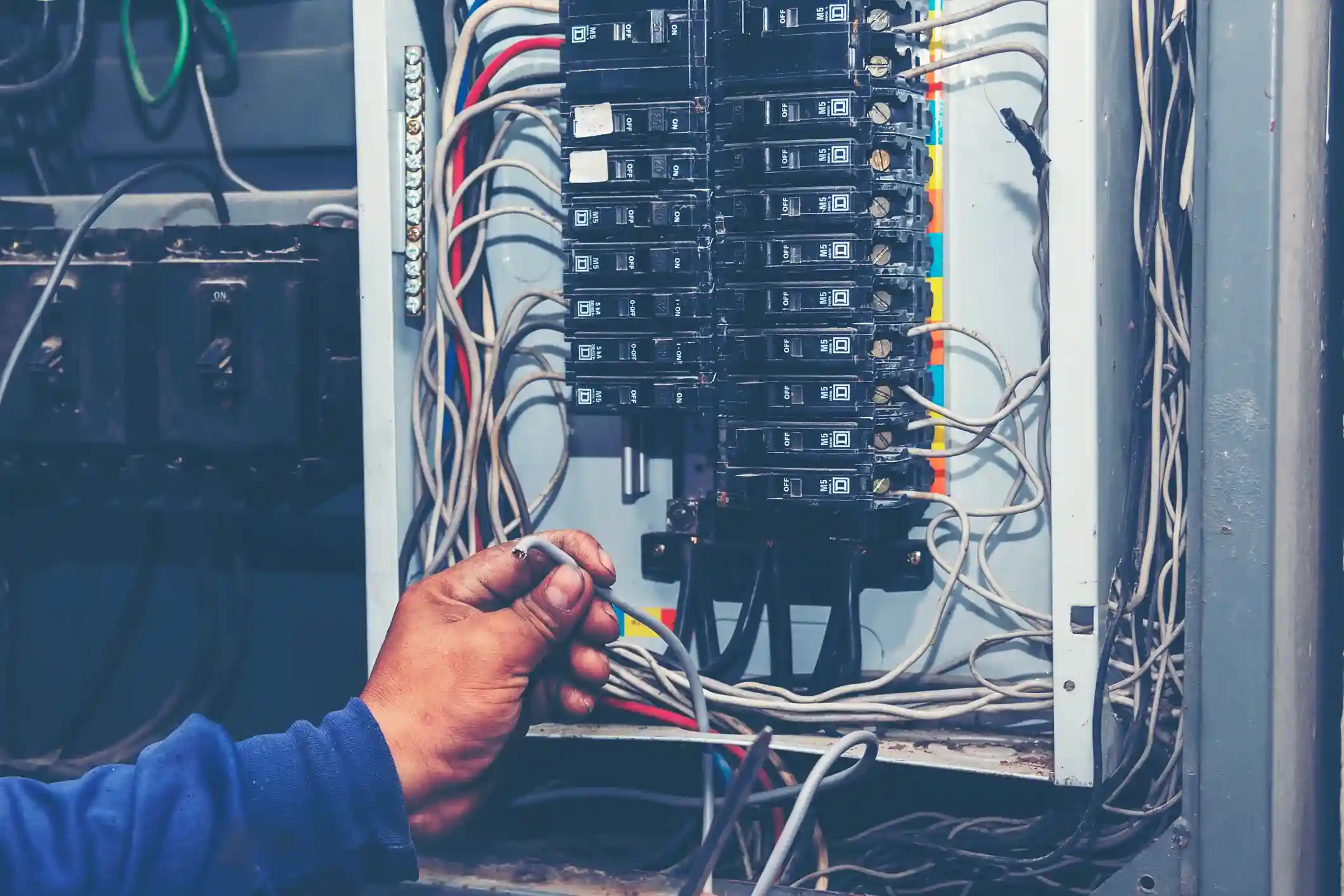
When you request a dedicated circuit installation, you are purchasing a guarantee that your specific appliances will run without interruption. This service involves more than simply changing a breaker; it requires running new, specific-gauge cabling from your main electrical panel directly to the outlet or connection point of the appliance. This ensures that the device does not compete for amperage with your lights, television, or other household electronics.
Residents in Troy often require these upgrades when adding modern conveniences to older homes or expanding their electrical usage in newer builds. We assess the load capacity of your current panel to determine if it can handle the additional demand or if a sub-panel is necessary. The goal is to ensure that your electrical infrastructure keeps pace with your lifestyle, providing consistent voltage to sensitive and powerful equipment alike.
Critical Appliances Requiring Dedicated Power
Many homeowners are unaware of which devices require their own circuit until a breaker trips repeatedly. Identifying these appliances is the first step in stabilizing your electrical system.
- Climate Control Equipment: Climate control equipment, heating equipment, and heat pumps draw significant power, especially during the humid Michigan summers and freezing winters. A dedicated circuit prevents voltage drops that can damage expensive compressor motors.
- Kitchen Equipment: Modern kitchens are power hubs. Refrigerators, dishwashers, garbage disposals, and especially microwaves often require their own 20-amp circuits. Electric ranges and ovens typically demand 50-amp, 240-volt dedicated lines to function correctly.
- Laundry and Utility: Electric dryers require 240-volt circuits, while washing machines need dedicated 120-volt lines to manage motor spikes during spin cycles. Sump pumps, vital for many local basements, must have a dedicated electrical power source to ensure they function during storms when they are needed most.
- Electric Vehicle (EV) Chargers: Level 2 EV chargers require heavy-duty dedicated circuits (usually 40 to 60 amps) to charge vehicles efficiently overnight. Plugging a car into a standard outlet is inefficient and potentially dangerous for the wiring.
- Workshops and Garages: Power tools, air compressors, and welders create massive surge loads on startup. Dedicated circuits protect these tools and prevent lights from dimming in the rest of the house when work begins.
- Hot Tubs and Spas: These installations require specialized wiring with GFCI protection and a disconnect switch, strictly adhering to safety codes to prevent shock hazards near water.
The Dedicated Circuit Installation Process
Professional installation follows a rigorous protocol to ensure safety and code compliance. We do not take shortcuts with electrical wiring, as the integrity of your home relies on precise execution.
- Load Calculation and Panel Assessment: The process begins with a detailed calculation of your home’s total electrical load. We inspect the main service panel to verify there is physical space for a new breaker and sufficient electrical capacity (amperage) to support the addition. If the panel is full or outdated, a panel upgrade or the addition of a sub-panel may be required before the circuit can be run.
- Circuit Planning and Wire Selection: Based on the appliance specifications, we select the correct wire gauge and breaker size. For example, a standard outlet uses 14-gauge wire, but a dedicated line for a heavy appliance may require thicker 12-gauge, 10-gauge, or even 6-gauge copper wire to handle higher heat and amperage without degradation. We also map out the most efficient and least invasive route to run the cabling through walls, attics, or crawl spaces.
- Running the New Line: Technicians carefully fish the new electrical cable from the service panel to the designated location. This step involves drilling through studs and joists, securing the wire with staples according to code, and ensuring it is shielded from physical damage. In finished areas, we utilize techniques to minimize drywall disruption.
- Terminating Connections: Once the wire is run, we install the appropriate receptacle (outlet) or hardwire connection at the device end. At the panel end, we install the new circuit breaker, ensuring it is properly seated and torqued to manufacturer specifications.
- System Testing and Labeling: After installation, the circuit is energized and tested for proper voltage, polarity, and grounding. We test the appliance under load to ensure the breaker holds and the wiring remains cool. Finally, the circuit is clearly labeled in the electrical panel for future reference.
Determining When to Upgrade vs. Repair
Homeowners often wonder if they can simply repair a tripping breaker or use an extension cord rather than investing in a new circuit. However, persistent electrical issues usually indicate a capacity problem, not a broken part.
Signs You Need a Dedicated Circuit
If you experience flickering lights when a specific appliance turns on, such as a laser printer or a vacuum cleaner, your system is telling you that the voltage drop is too significant for a shared circuit. This fluctuation damages sensitive electronics over time. Furthermore, if a breaker trips immediately upon plugging in a device, the circuit is overloaded. Replacing the breaker with a larger size without upgrading the wire is a code violation and a severe fire hazard, as the wire will overheat before the new breaker trips.
The Extension Cord Myth
Using heavy-duty extension cords as a permanent solution for major appliances is dangerous. Extension cords are designed for temporary use. They lack the insulation and gauge necessary to carry high loads over long periods, leading to heat buildup and potential ignition. If you find yourself relying on extension cords for window climate control units, space heaters, or garage freezers, you need a dedicated circuit installed immediately to ensure the safety of your property.
Protecting Warranty Coverage
Many appliance manufacturers explicitly state in their warranties that the equipment must be installed on a dedicated circuit. Failing to do so can void your warranty. If a refrigerator compressor fails because it was sharing power with a toaster and a coffee maker, the manufacturer may refuse the claim. Installing the correct power supply protects your investment in high-end appliances.
Navigating Local Electrical Codes and Environmental Factors
Electrical work in Troy is governed by strict local and state regulations designed to ensure the safety of all residents. Performing electrical work requires a deep understanding of the Michigan Electrical Code, particularly regarding amperage ratings, grounding requirements, and the use of AFCI (Arc Fault Circuit Interrupter) and GFCI (Ground Fault Circuit Interrupter) protection in specific areas like kitchens, bathrooms, and garages.
- Permitting and Inspections: Most new circuit installations require a permit from the local building department. This process ensures that the work is reviewed by a municipal inspector, providing you with third-party verification that the job meets all safety standards. Professional electricians handle the entire permitting process, from application to final inspection, removing the administrative burden from the homeowner.
- Seasonal Considerations: Michigan’s climate plays a significant role in how electrical systems are designed. With annual snowfall averaging around 40 inches, outdoor circuits for heating cables, generator hookups, or detached garage wiring must be rated for extreme cold and moisture. Underground wiring requires trenching below the frost line to prevent heaving and damage during freeze-thaw cycles.
- Humidity and Summer Demand: High humidity in the summer drives the usage of dehumidifiers and climate control equipment. These devices run for long durations, creating a continuous load that heats up wiring. Dedicated circuits for these seasonal appliances ensure they can run continuously without overheating the electrical infrastructure inside your walls.
Why Professional Execution is Essential
Electrical work is not a candidate for DIY experimentation. The risks associated with improper grounding, incorrect wire sizing, and loose connections include electrocution and structural fire. A dedicated circuit involves working inside the main service panel, where live bus bars carry lethal amounts of current even when individual breakers are turned off.
Blue Heron Electrical approaches every installation with a focus on long-term reliability. We utilize high-quality copper wiring, commercial-grade breakers, and secure fastening methods that exceed minimum code requirements. We understand that your home’s power system is the backbone of your daily life, and we ensure that every dedicated circuit we install delivers consistent, clean power to your most important devices.
Customer Testimonials

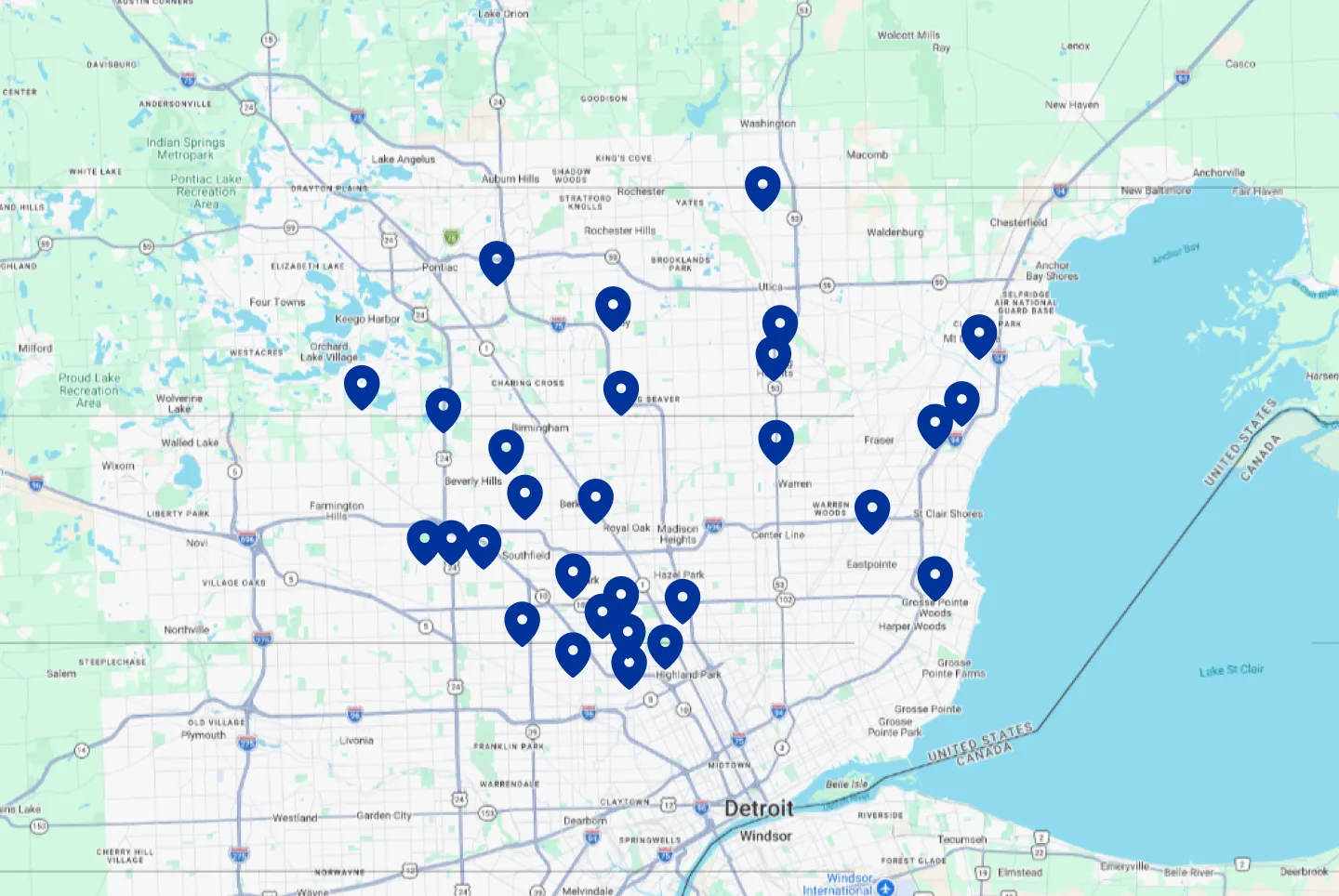
Service Areas