
Generator Repair in Troy, MI
Restore Power Reliability When Your Backup System Fails
Experience sudden generator failure or persistent starting issues just when the grid goes down? Ensure your home and business stay powered in Troy with our quick, reliable repair services. Contact us today to schedule a diagnostic visit or inquire about our financing options for major repairs.
Sudden power outages in Michigan are stressful enough without discovering your backup power source is non-functional. When a standby generator fails to exercise or refuses to accept the building load, it leaves your property vulnerable to freezing pipes, security system failures, and loss of essential appliances. We provide comprehensive repair solutions designed to bring your equipment back online immediately.
- Emergency repair services available to restore power during critical outages.
- Certified technicians equipped to handle all major generator models and fuel types.
- Fast, effective solutions ensuring minimal downtime for your home or business.
All services are backed by robust warranties and strict compliance with local Troy electrical codes.
Immediate Diagnostic and Repair Services
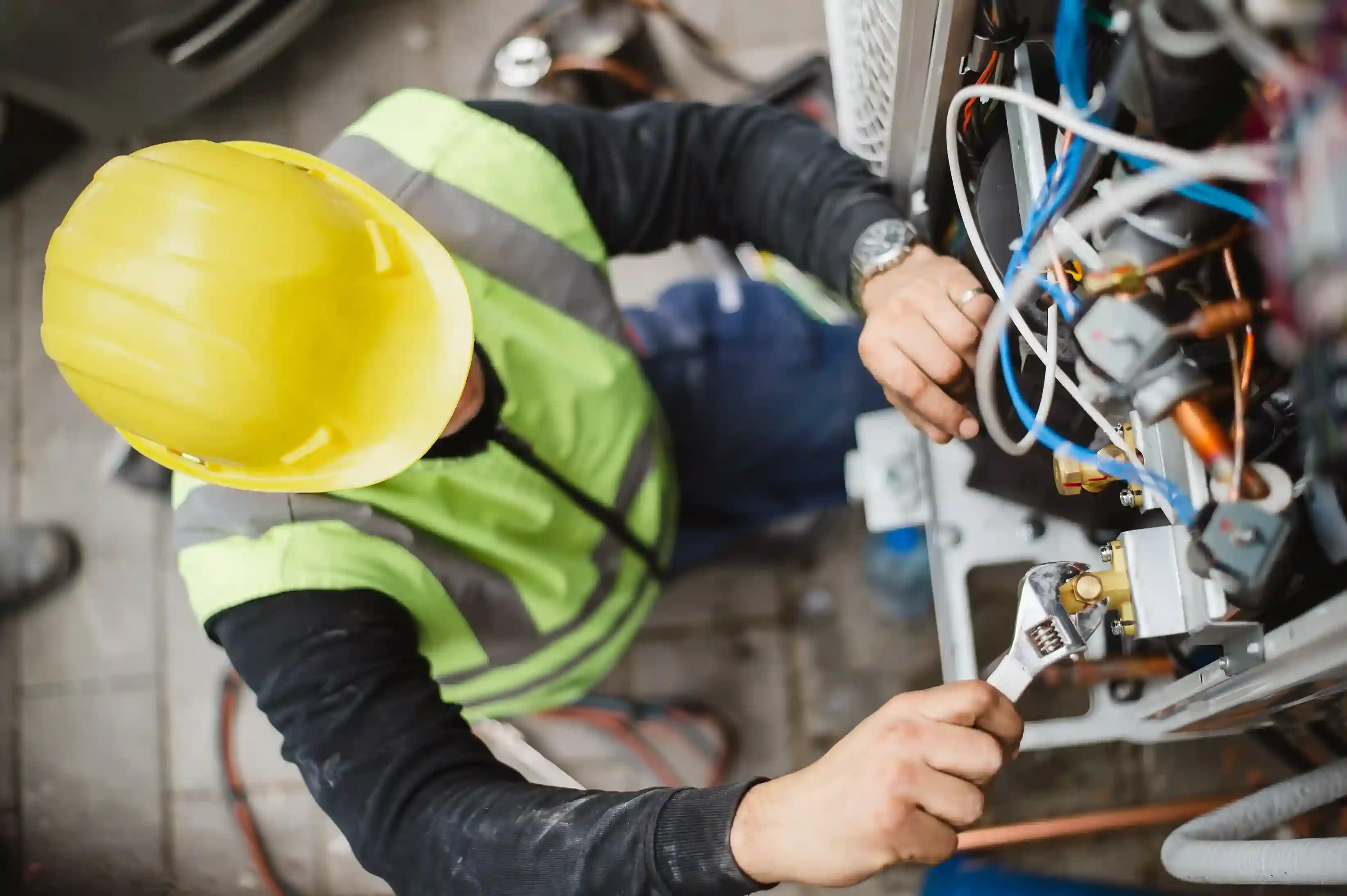
When a generator malfunctions, the primary objective is accurate fault isolation. Guesswork in electrical repair leads to wasted time and recurring failures. Our technicians arrive with the specific diagnostic tools required to communicate with the digital controllers of modern standby units. We assess the entire system, from the fuel source (natural gas, propane, or diesel) to the output terminals. This comprehensive approach ensures that the root cause, whether it is a mechanical failure within the engine or an electrical fault in the voltage regulator is identified and resolved.
Blue Heron Electrical focuses on restoring the automatic functionality of your system. A generator that requires manual intervention defeats the purpose of standby power. We address common issues such as battery failure, which accounts for a significant percentage of service calls, as well as more complex problems like coolant leaks, oil pressure sensor failures, and cracked hoses. Our service trucks are stocked with high-failure parts to facilitate same-day repairs whenever possible.
We also examine the integration between your generator and the main electrical panel. Often, the issue lies not within the generator housing itself but within the control wiring that monitors utility power. If the system fails to detect a brownout or blackout, it will not engage. We verify all sensing lines and control fuses to ensure the system wakes up exactly when it is needed.
The Repair Process for Standby and Portable Units
Understanding the repair workflow helps you plan for the restoration of your power security. We operate with a defined process that prioritizes safety and transparency. We do not simply swap parts until the unit runs; we follow a systematic path to resolution.
- First, the technician performs a visual inspection and safety check. This involves looking for obvious signs of damage, such as oil leaks, corroded battery terminals, or pest intrusion, which is common in outdoor units.
- Next, we utilize digital multimeters and proprietary diagnostic software to read error codes stored in the generator’s control panel. These codes provide a history of the unit’s performance and pinpoint specific sensor or circuit failures.
- Following diagnostics, we provide a clear explanation of the failure and the necessary repair steps. You receive a breakdown of the parts required and the labor involved to complete the job.
- Once authorized, the technician proceeds with the repair. This may involve replacing the automatic voltage regulator (AVR), changing the starter motor, flushing the fuel system, or updating the firmware on the controller.
- After the mechanical or electrical repair is complete, we simulate a power outage. This "live test" forces the generator to start, transfer the load, and run for a designated period to ensure stability under actual usage conditions.
- Finally, we check the output frequency and voltage to ensure they are within the tight tolerances required by sensitive modern electronics.
Troubleshooting Common Generator Failures
Generators are complex machines that combine internal combustion engines with high-voltage electrical generation. Failures usually fall into one of two categories: engine-side issues or electrical-side issues.
Engine-Side Failures
- Battery Issues: Standby generators rely on a 12-volt battery to start. If the trickle charger fails or the battery is old, the unit will click but not crank. We test battery load capacity and charging voltage.
- Fuel Delivery: In natural gas or propane units, solenoids control fuel flow. If these stick or fail, the engine starves. For diesel units, "wet stacking" can occur if the unit is not run under load often enough, leading to unburned fuel buildup in the exhaust.
- Cooling System: Liquid-cooled generators require functioning water pumps and radiators. A leak or a failed block heater in winter will prevent the unit from running or cause it to overheat and shut down immediately.
Electrical-Side Failures
- Voltage Regulation: The AVR maintains a steady 120/240 volts. If this fails, the generator may produce voltage that is too high (damaging appliances) or too low (causing lights to dim and motors to burn out).
- Rotor/Stator Issues: These are the core components that create electricity. Insulation breakdown or winding shorts here are major repairs that require precise testing to diagnose.
- Control Board Logic: Modern generators are computers. Lightning strikes or surges can scramble the logic board, requiring reprogramming or replacement.
When Replacement Beats Repair
Deciding whether to repair an aging generator or invest in a new system is a financial and practical calculation. While our goal is always to repair your existing equipment, there are specific thresholds where replacement becomes the more prudent investment.
- The 50% Rule: If the cost of the repair approaches or exceeds 50% of the cost of a new unit, replacement is generally recommended. This is particularly true if the warranty on the existing unit has expired.
- Part Availability: As generators age, manufacturers discontinue support for specific control boards and mechanical parts. If sourcing a part requires long lead times or purchasing used components, reliability is compromised.
- Capacity Needs: Homes and businesses evolve. If you have added central air conditioning, electric vehicle chargers, or other high-draw appliances since your generator was installed, the old unit may no longer be sufficient. Repairing an undersized unit does not solve the underlying capacity issue.
- Frequency of Breakdowns: If a unit requires multiple service calls in a single year for different issues, it signals that the system is reaching the end of its operational life. A new unit offers the security of a fresh manufacturer warranty.
Navigating Local Climate and Codes
Operating a generator in Troy requires specific attention to the local humid continental climate. The region experiences distinct four seasons, but the winters pose the greatest challenge to standby power systems. With average winter lows reaching 20°F and significant annual snowfall totaling 40-50 inches, cold-weather preparedness is non-negotiable.
- Cold Weather Kits: Standard generators may struggle to start in sub-zero temperatures. We verify the operation of cold weather kits, which typically include battery warmers and oil crankcase heaters. These components ensure the oil remains fluid and the battery retains enough amperage to crank the engine during a blizzard.
- Snow Management: Intake and exhaust vents must remain clear of drifting snow. If the enclosure is buried, the generator will starve for air or suffer from carbon monoxide backflow, causing it to shut down on a safety fault.
- Exercise Cycles: We adjust the automatic exercise cycle (the weekly self-test) to run during the warmest part of the day, ensuring the unit reaches operating temperature to burn off condensation that builds up inside the engine block.
Local regulations in Oakland County also dictate specific clearances and noise ordinances. When performing major repairs or reinstallations, we ensure that the unit complies with current electrical codes regarding distance from combustible surfaces, windows, and property lines. Compliance ensures safety and prevents issues when selling the property or filing insurance claims.
The Role of the Automatic Transfer Switch (ATS)
The Automatic Transfer Switch is the brain of your backup power system. It monitors the utility voltage coming into the home. When that voltage drops below a preset level, the ATS signals the generator to start. Once the generator is producing stable power, the ATS physically disconnects the home from the utility grid and connects it to the generator.
- Sensing Failures: If the ATS fails to sense the utility loss, the generator sits idle while the lights go out. We calibrate the sensing thresholds to ensure accurate detection.
- Transfer Failures: Sometimes the contactor inside the switch creates a loud buzzing noise or fails to mechanically shift. This results in the generator running, but no power reaching the house. We repair and replace these contactor assemblies.
- Neutral Switching: Improperly wired transfer switches can create ground loops that trip sensitive GFCIs and Arc Fault breakers in the home. We verify that the neutral and ground bonding is handled correctly according to the specific service entrance configuration.
Why Professional Electrical Diagnostics Matter
Attempting DIY repairs on a standby generator is dangerous and often ineffective. These systems involve high-pressure fuel lines, 240-volt electrical currents, and complex digital logic. A mistake can lead to electrocution, fire, or catastrophic damage to the generator and the connected home appliances.
Professional diagnostics utilize load banks devices that apply a precise electrical load to the generator to verify performance. Running a generator without a load does not prove it can handle your house. It might run fine at idle but stall the moment the air conditioner kicks on. Our testing equipment simulates these surges to guarantee the system is ready for the real thing.
Furthermore, proper handling of hazardous materials such as used oil, coolant, and lead-acid batteries is part of the professional service. We ensure that all maintenance byproducts are disposed of in an environmentally responsible manner.
Periodic Maintenance to Prevent Repair
While we are available for emergency repairs, the best way to avoid them is through consistent maintenance. Neglect is the leading cause of generator failure. Just like a car, a generator requires oil changes, spark plug replacements, and valve adjustments.
- Oil Analysis: We check the condition of the oil. Metal shavings or a milky appearance indicate internal engine wear or coolant intrusion.
- Valve Lash Adjustment: Over time, the gap between the rocker arm and the valve stem changes. If it gets too tight, valves burn; too loose, and the engine loses power. We adjust these to factory specifications.
- Firmware Updates: Manufacturers release software updates to improve the starting logic and fault monitoring of their units. We keep your system up to date with the latest programming.
Secure Your Power Source Today
A reliable generator is an investment in safety and continuity. Whether you are facing a critical failure during a storm or a warning light that won't go away, immediate professional attention is required. Do not wait until the next heavy snowfall to discover your system is compromised.
Trust Blue Heron Electrical to restore your peace of mind with expert repair services that stand the test of time and weather.
Schedule your generator diagnostic service now and ensure your lights stay on through every season.
Customer Testimonials

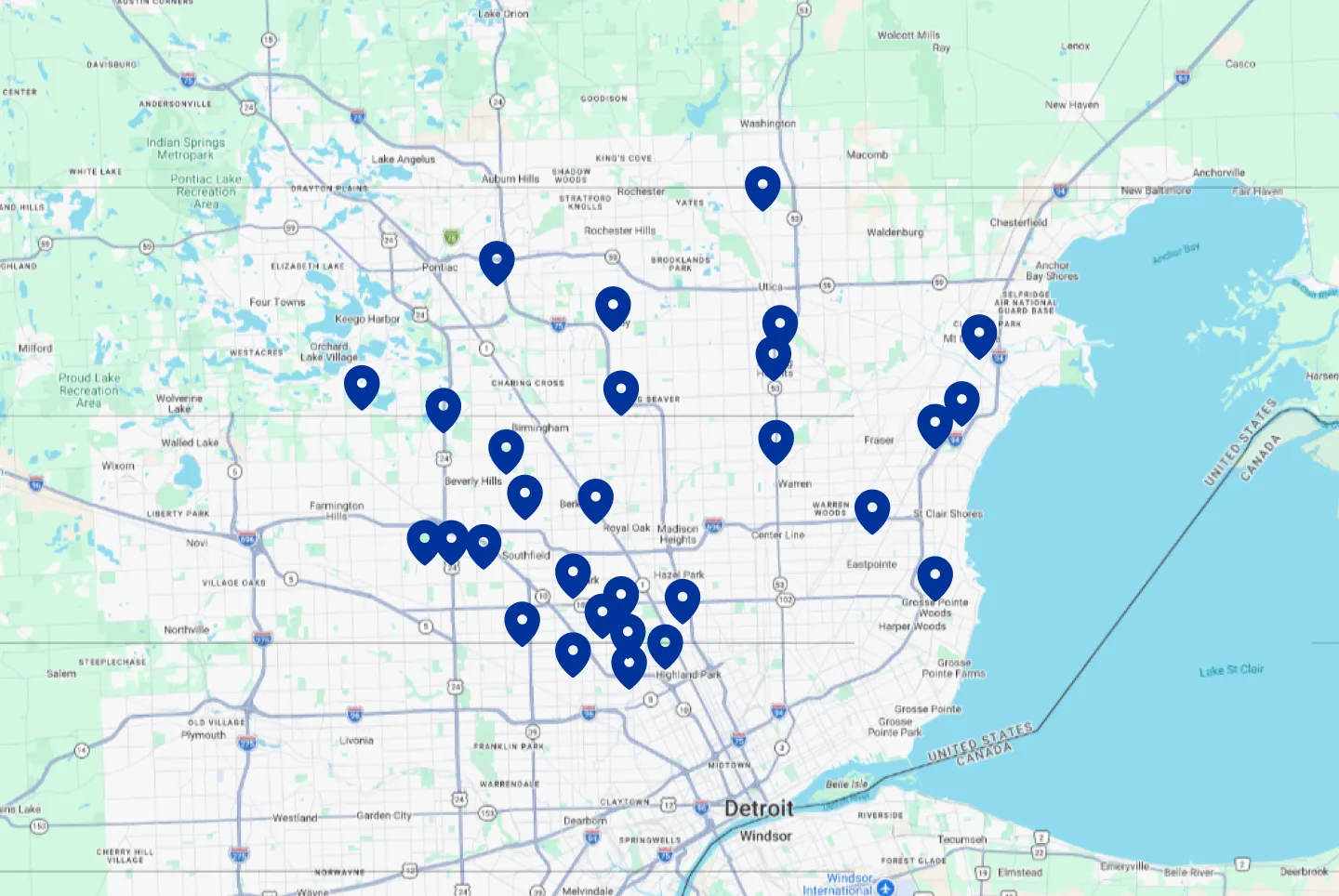
Service Areas