
EV Charger Installation in Troy, MI
Frustrated by Delayed or Non-Compliant EV Charger Setups?
Struggling to find a reliable electrician for your EV charger installation in Troy? You need a professional service that understands Michigan’s harsh winters and ensures your vehicle is ready to drive when you are. Call us today to schedule your onsite assessment and installation.
Homeowners frequently encounter contractors who are unfamiliar with the specific amperage requirements of modern electric vehicles or the local electrical codes in Oakland County. Improper installation can lead to breaker trips, slow charging speeds, or potential fire hazards. Blue Heron Electrical provides a streamlined solution that prioritizes safety and efficiency.
- Quick and reliable installation, even during peak winter months.
- Transparent pricing with no hidden costs.
- Compliance with all local building codes and standards.
All installations are backed by a comprehensive warranty and full support for permit acquisition.
Comprehensive EV Charging Solutions for Your Home
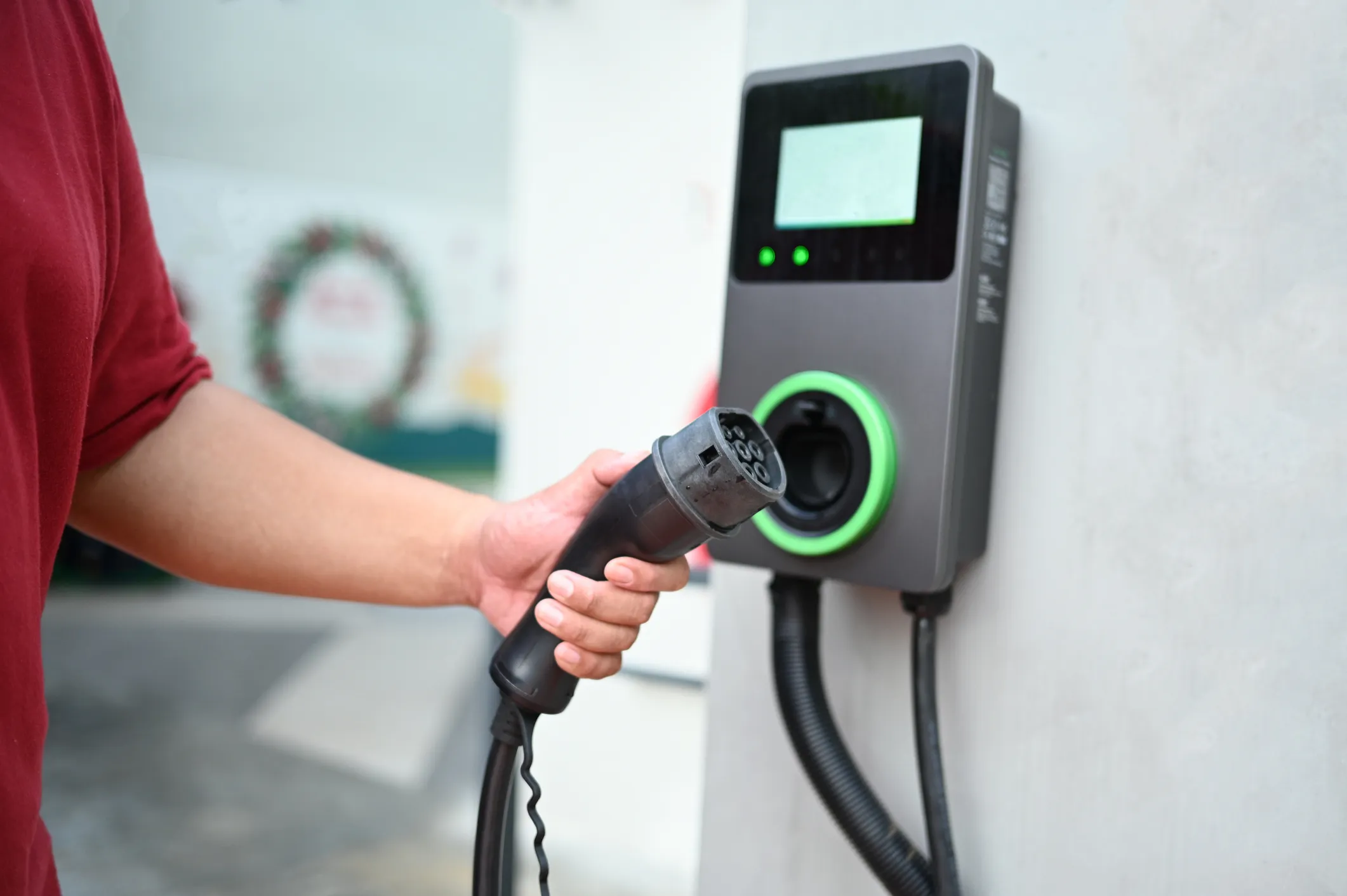
Adding an electric vehicle to your household changes the way you manage energy. The standard wall outlet in your garage, known as Level 1 charging, often fails to provide sufficient range for daily commuters, requiring over 24 hours for a full charge. A dedicated Level 2 charging station is the standard for efficiency, reducing charging time to just a few hours.
We provide complete installation services for all major EVSE (Electric Vehicle Supply Equipment) brands, including Tesla Wall Connectors, ChargePoint, and other universal chargers. The service includes the installation of a dedicated 240-volt circuit, which is essential for Level 2 charging. This process involves running new cabling from your main electrical panel to the desired charging location, whether that is inside your garage or on an exterior wall.
The scope of work encompasses:
- Site assessment to determine the optimal location for the charger based on your parking habits and port location.
- Installation of NEMA 14-50 outlets for plug-in chargers or direct hardwiring for high-amperage units.
- Breaker installation sized correctly for the continuous load of the vehicle.
- Cable management to ensure a clean, trip-free environment in your garage.
- Final testing to verify communication between the charger and the vehicle.
We ensure that the equipment installed matches the maximum acceptance rate of your vehicle while remaining within the safe limits of your home’s electrical capacity.
Executing a Safe and Compliant Installation Strategy
A proper installation follows a rigorous workflow designed to protect your home’s electrical infrastructure. Unlike simple appliance hookups, an EV charger draws a high amount of current for extended periods, creating significant heat and stress on electrical components.
- First, a load calculation is performed on your existing electrical panel. This step determines if your current service (usually 100 or 200 amps) can handle the additional load of an EV charger without overloading the system.
- Next, we determine the best wiring method. Hardwired connections are generally preferred for safety and reliability as they eliminate the failure point of a receptacle, which can wear out over time due to thermal cycling.
- Following the layout plan, conduit is run to protect the wiring. In Troy, where garages may be unfinished or subject to mechanical damage, rigid or metal-clad conduit provides necessary protection.
- Once the wiring is pulled, the connection is made to the charging unit. Torque specifications are strictly followed; loose connections are the leading cause of electrical fires in high-load applications.
- Finally, the system is energized and tested. We verify voltage drop and ensure the ground fault protection built into the charger is functioning correctly.
Determining When to Upgrade Your Electrical Panel
Many older homes in Troy were built with electrical systems designed for the appliances of decades past, not for the high-demand requirements of modern electric vehicles. A standard 100-amp panel may be nearing its capacity with just an air conditioner, electric oven, and dryer running simultaneously. Adding a 40-amp or 60-amp EV charger to a maxed-out panel is a safety violation and will likely result in the main breaker tripping.
You likely need a panel upgrade or a load management system if:
- Your electrical panel is warm to the touch or makes a buzzing sound.
- You have no spare breaker slots available in your panel.
- Your lights flicker when major appliances turn on.
- Your home still utilizes a fuse box rather than a circuit breaker panel.
If a full panel upgrade is not feasible, we can explore load management devices. These smart devices monitor the total energy usage of your home and temporarily pause EV charging if the total load approaches the panel’s limit, allowing you to charge safely without an expensive service upgrade.
Repairing vs. Replacing Your Charging Station
If you already have a charger installed but are experiencing issues, you must decide between repair and replacement. Technology in the EV space moves rapidly, and older units may not be capable of delivering the speeds required by newer vehicles with larger battery packs.
- When to Repair: If the issue is isolated to a damaged cable connector or a tripped breaker, repair is often the most cost-effective solution. Loose connections at the terminal block can sometimes be tightened, and software glitches in smart chargers can often be resolved with a firmware reset or update.
- When to Replace: If the internal electronics of the unit have failed, replacement is usually necessary as internal components are rarely serviceable. Additionally, if you have upgraded your vehicle to one capable of faster charging (e.g., moving from a plug-in hybrid to a full BEV), your old 16-amp or 30-amp charger may be insufficient. Replacing it with a modern, Wi-Fi-enabled 48-amp unit allows you to take advantage of utility off-peak pricing and faster charge times.
Critical Considerations for Troy Residents
Operating an EV charger in Southeast Michigan requires specific attention to environmental factors and local regulations. The equipment and installation methods must withstand the local climate and adhere to regional utility standards.
- Cold Weather Performance: In Troy, winter temperatures frequently drop well below freezing. Cables on cheaper charging units can become stiff and unmanageable in the cold. We recommend installing units with cold-weather rated cables that remain flexible in sub-zero temperatures. Furthermore, charging efficiency drops in the cold; having a higher-amperage Level 2 charger is crucial to pre-condition the battery and warm the cabin while connected to grid power, preserving your range.
- Outdoor Installations: If you park in the driveway, the charger must be NEMA 3R or NEMA 4 rated for weather resistance. Snow accumulation must be considered; the unit should be mounted high enough to avoid being buried in snowdrifts but accessible enough to reach effortlessly.
- Permitting and Inspections: The City of Troy requires electrical permits for the installation of EV charging circuits. This ensures that the work is inspected by a city official and meets the National Electrical Code (NEC). Unpermitted work can complicate home sales later and may void insurance policies in the event of an electrical fire.
- Utility Coordination: Local utilities may have specific rebates or time-of-use rate plans available for EV owners. Some programs require the installation of a separate meter or a specific type of smart charger that can communicate with the grid.
The Importance of Licensed Electrical Work
Attempting to install an EV charger without professional training is dangerous. The continuous load nature of EV charging differs from intermittent loads like dryers or ranges. Using standard receptacles not rated for continuous duty or using undersized wire can lead to melting components and fire hazards within the walls.
Professional electricians calculate voltage drop to ensure that the vehicle receives the correct power level, preventing strain on the vehicle's onboard charger. We also ensure that the installation complies with NEC Article 625, which governs Electric Vehicle Charging Systems. This includes requirements for GFCI protection, disconnect placement, and ventilation where required.
Choosing a professional ensures that your investment in an electric vehicle is protected by a reliable, safe infrastructure. It eliminates the guesswork regarding wire gauges, conduit fill ratios, and grounding requirements.
Secure Efficient Charging for Your Vehicle
Reliable home charging is the key to enjoying your electric vehicle ownership experience. Whether you need a new circuit for a Tesla, Rivian, Ford, or any other EV, ensuring the job is done correctly prevents future headaches and safety risks. Blue Heron Electrical delivers the expertise required to get your station powered up and compliant with all local regulations.
Don't leave your charging infrastructure to chance. Contact us today to discuss your installation needs and ensure your vehicle is ready for the road.
Customer Testimonials

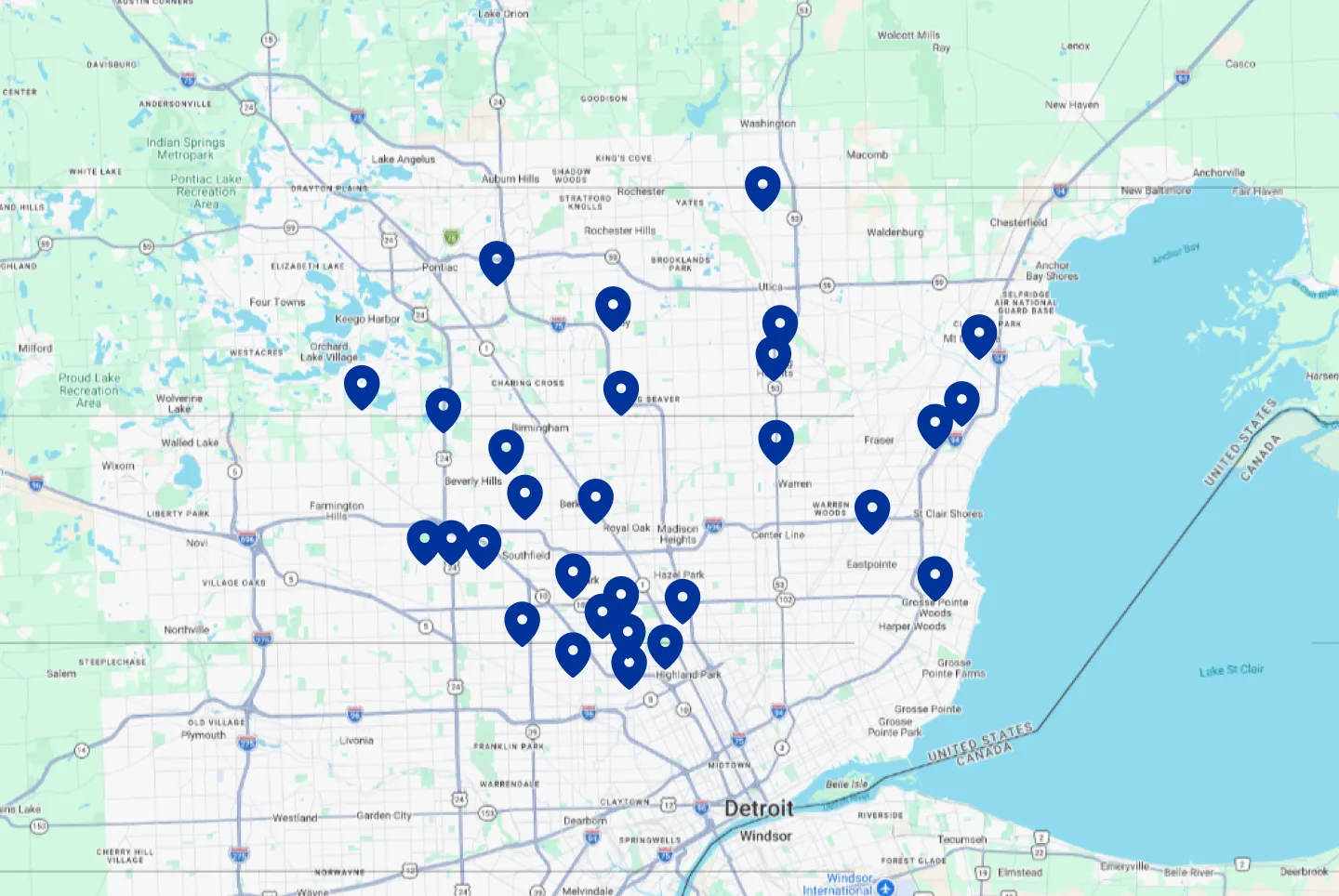
Service Areas