
Commercial Lighting Installation in Troy, MI
Ensuring Bright Workspaces, Even During Michigan's Toughest Seasons
Facing poor lighting in your business premises can decrease productivity, increase accidents, and cast a negative impression on customers. Contact us or inquire about our commercial financing options to schedule an assessment today. Blue Heron Electrical offers robust commercial lighting solutions fit for Troy's demanding climate and rigorous business standards. We understand that a flickering warehouse light or a dark parking lot is not just an inconvenience; it is a liability that requires immediate professional attention.
- Same-day lighting installations to keep your business bright without delays.
- Enhanced durability with installations tailored to withstand severe Michigan winters.
- Comprehensive service plans including maintenance and emergency repairs.
Fully licensed, insured, and up-to-date with the City of Troy's electrical codes for peace of mind.
Smart Lighting Solutions That Last
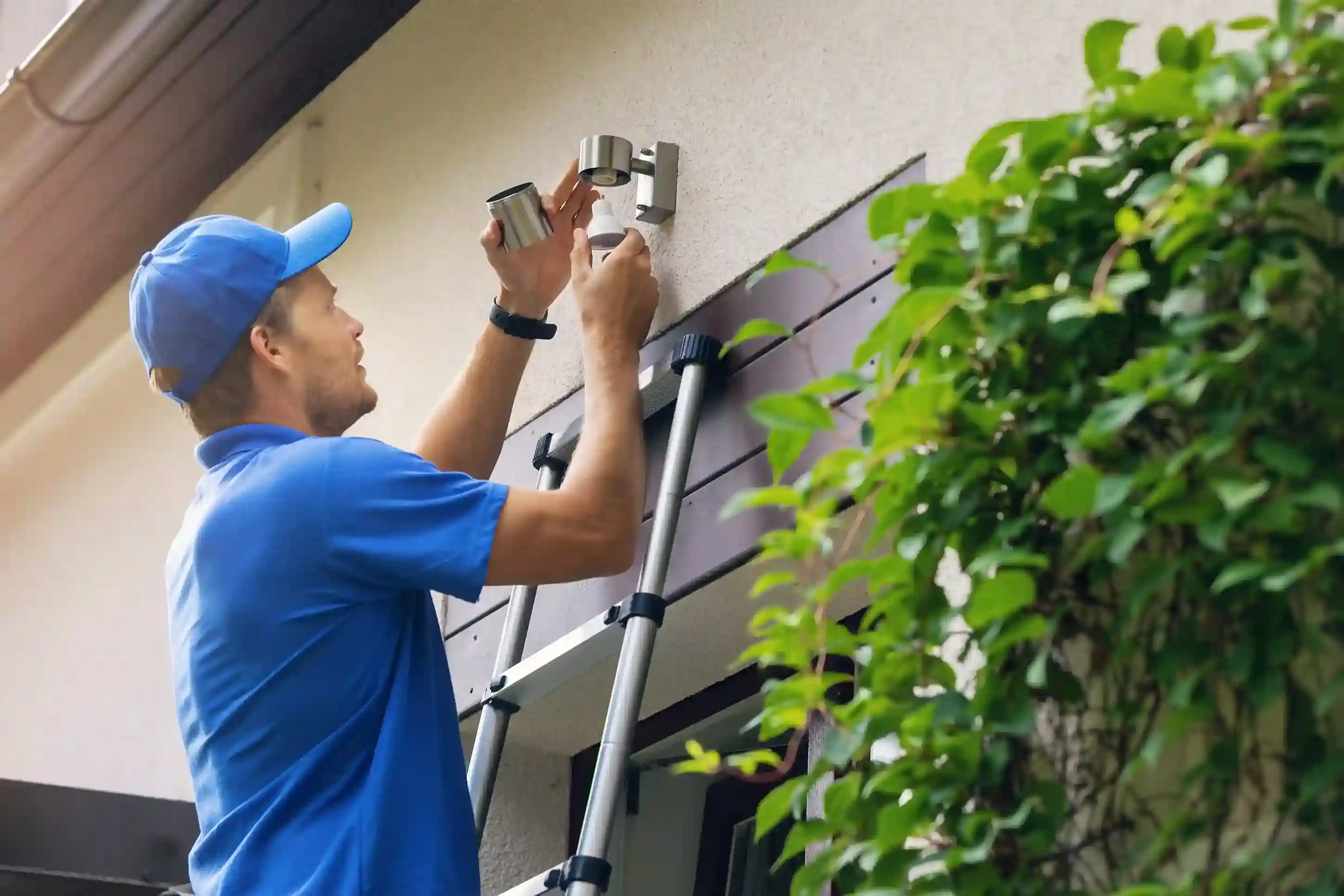
Inefficient or inadequate lighting costs businesses significant money through wasted energy and frequent maintenance calls. In a commercial setting, lighting quality directly correlates with operational efficiency. A well-lit facility reduces error rates on the production floor, improves safety in high-traffic corridors, and enhances merchandise appeal in retail environments. Moving beyond basic illumination to smart, long-lasting solutions allows businesses to control their energy consumption while maintaining optimal brightness levels.
Modern LED technology and automated control systems provide a return on investment that outdated fluorescent or halide systems cannot match. Older systems often generate excess heat, forcing HVAC systems to work harder during the humid Michigan summers. By upgrading to integrated lighting solutions, facilities reduce cooling loads and eliminate the frequent buzzing or flickering associated with aging ballasts.
This service covers a wide array of commercial needs. From high-bay fixtures in distribution centers to recessed troffers in corporate offices and weather-resistant pole lights for parking lots, the goal is consistent performance. Commercial spaces in Troy require lighting that accommodates specific tasks, whether that involves detailed assembly work or general ambient lighting for customer comfort. The focus is always on installing systems that require minimal intervention once active, allowing facility managers to focus on operations rather than changing bulbs.
Today's Lighting Installations - Scope, Timeliness, and Inclusions
When you commission a commercial lighting installation, you need a clear understanding of what happens on-site and how it affects your daily operations. The scope of a professional installation goes beyond simply hanging fixtures. It involves a comprehensive assessment of the existing electrical load, ensuring that your panel can support the new configuration, and verify that all wiring meets current safety standards.
Timeliness is a critical factor for active businesses. Downtime means lost revenue. Professional installers work around your schedule to minimize disruption. For many facilities, this means performing upgrades in zones or during off-hours to keep the business running smoothly. A reliable electrical partner arrives with the necessary equipment, such as scissor lifts or bucket trucks, to access hard-to-reach areas immediately, preventing delays caused by equipment rentals or logistics.
A complete installation service includes:
- Site Preparation and Protection: Technicians prepare the area to protect your inventory, furniture, and flooring from dust and debris. This includes covering sensitive equipment and setting up safety perimeters in active work zones.
- Removal and Disposal: Safe removal of old fixtures, including the proper disposal of hazardous materials found in older bulbs, such as mercury in fluorescent tubes. This ensures your company remains compliant with environmental regulations.
- Electrical Modifications: Adjusting wiring, installing new junction boxes, and upgrading circuit breakers if the new lighting demands differ from the previous setup. This is critical when moving from high-wattage HID lamps to low-voltage LED drivers.
- Fixture Mounting and Alignment: Securely mounting fixtures to ceilings, walls, or poles. For directional lighting, this includes precise aiming to eliminate dark spots and glare.
- Control System Integration: Installing and programming dimmers, occupancy sensors, timers, and daylight harvesting systems that automatically adjust brightness based on natural light levels.
- Final Cleanup and Walkthrough: removing all packaging and debris, followed by a system demonstration to ensure you understand how to operate and maintain the new controls.
Your Installation Process: From Planning to Illumination
A structured installation process ensures that the project stays on budget and on time. Randomly replacing lights without a plan leads to uneven illumination and potential code violations. The process begins with technical planning and ends with a fully certified system.
- Initial Load Calculation and Audit: The process starts with an audit of the current energy usage and a calculation of the lighting requirements. Technicians measure foot-candles to determine the necessary brightness for specific areas, ensuring compliance with OSHA safety standards and local building regulations.
- Lighting Design and Product Selection: Based on the audit, specific fixtures are selected. This involves choosing the right color temperature (Kelvin) for the environment, cool white for alertness in warehouses or warm white for hospitality settings. This stage also involves checking compatibility with existing building automation systems.
- Circuit Mapping and Safety Checks: Before any physical installation begins, the electrical team maps the circuits. This step prevents overloads. In older buildings in Troy, this is the stage where potential wiring faults are identified and flagged for correction before they cause issues with new equipment.
- Physical Installation and Retrofitting: Certified electricians execute the installation. This may involve retrofitting existing housings with LED kits to save costs or completely removing old hardware for a fresh install. Conduit runs are secured, and connections are terminated with professional-grade connectors to prevent arcing or loose wires.
- Testing and Commissioning: Once powered on, the system undergoes rigorous testing. Technicians check for flicker, consistent color rendering, and proper response from control switches. Emergency exit lighting is tested to ensure battery backups function correctly during power outages.
Deciding Between Lighting Repair and Full Replacement
Facility managers often struggle with the decision to repair an existing system or invest in a full replacement. While repair seems cheaper upfront, it is often a temporary fix for a dying system. Understanding the lifecycle of commercial lighting helps in making a financially sound decision.
When to Choose Repair:
- Isolated Failures: If only one or two fixtures are malfunctioning due to a bad bulb or a loose wire, a targeted repair is cost-effective.
- Recent Installations: If the lighting system is less than five years old and utilizes modern technology, repairs are usually covered by warranty or involve simple component swaps.
- Budget Constraints: For businesses needing an immediate fix to restore safety while planning for a future capital expenditure, repair serves as a bridge solution.
When to Choose Full Replacement:
- Frequent Ballast Failures: If you are constantly replacing ballasts in fluorescent fixtures, the system is reaching the end of its life. Blue Heron Electrical recommends replacement in these scenarios because the labor cost of repeated repairs quickly exceeds the cost of a new, maintenance-free system.
- High Energy Bills: Older lighting technologies (T12 fluorescents, metal halide, high-pressure sodium) consume significantly more electricity than modern LEDs. A replacement project often pays for itself within a few years through utility savings alone.
- Poor Light Quality: If the light is dimming, shifting colors (turning pink or green), or buzzing, it negatively impacts the work environment. Replacement restores proper visibility and professional aesthetics.
- Incompatible Parts: As manufacturers phase out older technologies, finding replacement bulbs and ballasts becomes difficult and expensive. Upgrading to current standards ensures parts availability.
Navigating Troy's Regulations - Permits and Seasonal Advice
Commercial electrical work in Troy, MI, is subject to specific codes and permitting requirements designed to ensure public safety. Ignoring these regulations can lead to fines, insurance complications, and forced shutdowns. Professional installers handle the administrative burden of pulling permits and scheduling inspections, ensuring that your project is fully compliant with the National Electrical Code (NEC) and local ordinances.
Permits are typically required for any work that involves altering the building's wiring or adding new circuits. This includes installing new lighting poles in parking lots or rewiring a warehouse for high-bay fixtures. The inspection process verifies that the installation poses no fire hazard and that emergency lighting systems are adequate for the building's occupancy load.
Seasonal Considerations for Michigan Operations:
- Winter Resilience: Exterior lighting must withstand freezing temperatures, ice accumulation, and heavy snow. Standard fixtures may crack or fail under thermal shock. Installers use weather-rated fixtures with gaskets that prevent moisture ingress, which is crucial during the freeze-thaw cycles common in the region.
- Summer Humidity: High humidity can corrode internal components of inferior fixtures. Commercial-grade units are treated to resist corrosion, ensuring longevity even in non-climate-controlled spaces like warehouses or parking garages.
- Daylight Variance: Michigan experiences drastic changes in daylight hours between seasons. Lighting controls and timers must be programmed to adjust for early sunsets in winter and extended daylight in summer, ensuring security lights activate exactly when needed without wasting energy.
Why Choose Blue Heron Electrical? Our Commitments & Credentials
Selecting a contractor for commercial lighting requires verifying expertise and reliability. Your electrical system is the backbone of your facility's functionality. We prioritize safety, efficiency, and adherence to strict commercial standards.
- Licensed and Insured Professionals: Every technician is fully licensed in Michigan and carries the necessary insurance. This protects your business from liability during the installation process.
- Code Compliance Experts: Deep familiarity with local regulations ensures that every installation passes inspection on the first attempt. There is no guesswork regarding wire gauges, conduit fill, or load calculations.
- Commercial Specialization: Unlike general handymen, the focus here is strictly on electrical systems. This specialization results in faster diagnostics, cleaner installations, and a deeper understanding of complex commercial power needs.
- Safety-First Protocols: Strict adherence to lockout/tagout procedures and OSHA safety guidelines protects your employees and property while work is being performed.
Call Us Now!
Upgrading your commercial lighting is a strategic move that enhances safety, reduces overhead, and improves the visual appeal of your business. Whether you need a complete retrofit of a warehouse or aesthetic upgrades for a retail front, professional execution is the key to long-term performance.
Take the next step toward a brighter, more efficient facility. Contact Blue Heron Electrical today to discuss your project requirements and schedule a site evaluation.
Customer Testimonials

Service Areas