

Cheat Sheet to Electrical DIY Limits in Michigan
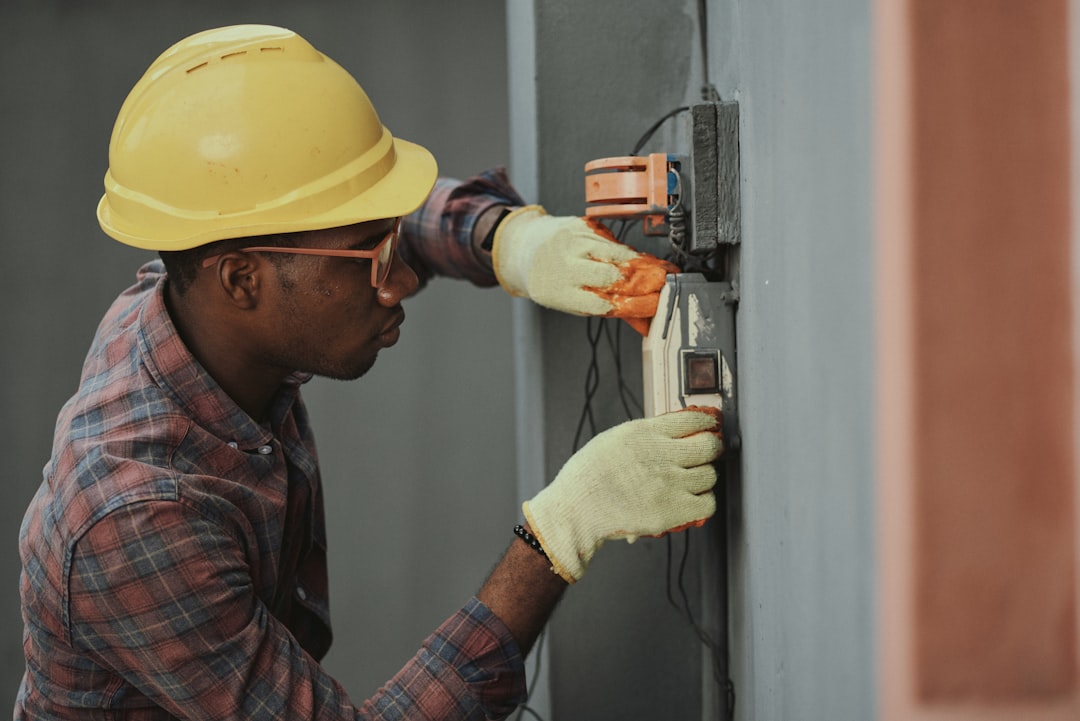
What Electrical Repairs Require a Licensed Electrician Versus a Homeowner DIY in Michigan?
Understanding what electrical repairs require a licensed electrician versus a homeowner DIY in Michigan can save you from fines, failed inspections, voided insurance, and serious safety hazards. Here's the quick answer:
Michigan homeowners may legally perform electrical work WITHOUT a license if:
- The home is a single-family dwelling you own and occupy
- The work also covers accompanying outbuildings (garages, sheds) on the same property
- The repair qualifies as "minor repair work" (valued at $100 or less under Michigan law)
- The work involves like-for-like device replacement (such as swapping an outlet or switch for an identical unit)
Work that REQUIRES a licensed electrical contractor in Michigan:
- Any electrical work on rental properties or multi-family homes
- Panel upgrades, replacements, or new service installations
- Adding new circuits or rewiring existing ones
- EV charger or standby generator installation
- Any project where a permit is required — even if you own the home
Even when Michigan law allows homeowner DIY electrical work, a permit and inspection are still required for most projects beyond simple device swaps. Skipping that step can result in municipal fines, insurance claim denials, and costly corrective work when you sell.
The rules come from Michigan's Skilled Trades Regulation Act (Act 407 of 2016), which defines exactly who can do what — and the line between legal DIY and licensed-only work is narrower than most homeowners expect.

What electrical repairs require a licensed electrician versus a homeowner diy in michigan terms made easy:
- flickering lights what causes them and when to call an electrician in michigan
- how to safely shut off power in your michigan home before calling an electrician
The Legal Framework: Michigan Skilled Trades Regulation Act (Act 407 of 2016)
To understand the exact boundaries of DIY electrical work in the Great Lakes State, we have to look at the legal foundation. In Michigan, all skilled trades—including electrical, plumbing, and mechanical work—are governed by the Skilled Trades Regulation Act (Act 407 of 2016). This act is administered by the Michigan Department of Licensing and Regulatory Affairs (LARA) alongside the Electrical Administrative Board.
Act 407 was put in place to establish uniform licensing requirements and safety standards across the state. The primary goal of the electrical code is not to make life difficult for homeowners, but to provide practical safeguards for people and property from the inherent hazards of electricity. Under this act, only licensed individuals are permitted to install, alter, or repair electrical wiring. However, the law does carve out specific, highly regulated exemptions for homeowners.
The Single-Family Owner-Occupied Exemption
The most famous exemption in Michigan law is the "homeowner's exception." Under Act 407, an unlicensed individual is legally allowed to perform electrical installations, alterations, or repairs under very strict conditions:
- Owner-Occupied Single-Family Home: You must personally own the home, and it must be your primary residence (or a home you intend to occupy as your primary residence shortly).
- Accompanying Outbuildings: You are also permitted to work on detached garages, sheds, or outbuildings located on the same property.
- No Commercial or Multi-Family Properties: You cannot perform DIY electrical work on duplexes, triplexes, apartment buildings, commercial spaces, or any rental property you own. If you rent out a home in Royal Oak or Sterling Heights, even a simple outlet replacement must legally be performed by a licensed electrical contractor.
Even if you meet the owner-occupied criteria, your work is not exempt from local building codes. Any major electrical modification you make must still comply with the Michigan Electrical Code (which is based on the 2023 National Electrical Code with specific Part 8 technical amendments). For older homes in Southeast Michigan, this can be a major hurdle. Working on aging systems without a deep understanding of code can lead to immediate hazards, which is why understanding How an Electrical Inspection Protects Older Homes in Southeast Michigan is so critical before touching any wiring.
Defining Minor Repair Work Under Michigan Law
What about simple everyday fixes? Does Michigan law require you to call a licensed professional to swap out a broken light switch or a cracked outlet cover?
Fortunately, no. Act 407 explicitly exempts minor repair work from licensing and permitting requirements. However, the legal definition of "minor repair work" is surprisingly specific:
- The $100 Threshold: Under Michigan statute, minor repair work is defined as electrical wiring or equipment replacement that has a total material and labor value of $100.00 or less.
- Like-for-Like Swaps: This exemption is designed for simple, direct replacements of existing devices. For example, replacing an old, worn-out 15-amp receptacle with a new 15-amp receptacle in the exact same junction box is considered a minor repair.
- No Alteration to Wiring: If you have to run new Romex wire through a wall, install a new junction box, or alter the routing of an existing circuit, the project immediately exits the "minor repair" category.
Before attempting even minor repairs, safety must be your absolute priority. Knowing How to Safely Shut Off Power in Your Michigan Home Before Calling an Electrician is the first step in any DIY attempt. If you cannot easily isolate the circuit or if you feel uncomfortable opening up a live electrical box, it is always best to step back and call a professional.
What Electrical Repairs Require a Licensed Electrician Versus a Homeowner DIY in Michigan?
The line between safe DIY and licensed-only repairs often comes down to the complexity of the task and the potential consequences of a mistake. To help you visualize where your project falls, we have compiled a quick-reference table outlining common residential electrical tasks.
| Electrical Project | Legally Allowed for DIY? (Owner-Occupied) | Permit Required? | Who Should Do It? |
|---|---|---|---|
| Replacing a light switch or outlet (like-for-like) | Yes | No | Homeowner (with proper safety steps) |
| Replacing an existing light fixture | Yes | No | Homeowner |
| Adding a completely new outlet or switch location | Yes (But highly restricted) | Yes | Licensed Electrician |
| Upgrading or replacing an electrical panel | No | Yes | Licensed Electrician |
| Installing a dedicated 240V EV charger circuit | No | Yes | Licensed Electrician |
| Installing a whole-home standby generator | No | Yes | Licensed Electrician |
| Rewiring an entire room or historic home | No | Yes | Licensed Electrician |
| Installing low-voltage landscape lighting (<30V) | Yes | No | Homeowner |
| Replacing a circuit breaker in an existing panel | No | Yes | Licensed Electrician |
As the table shows, any project that involves modifying your home's main electrical infrastructure, working inside the service panel, or adding high-voltage dedicated lines is legally and practically a job for a licensed professional.
Understanding What Electrical Repairs Require a Licensed Electrician Versus a Homeowner DIY in Michigan for Older Homes
If you live in an older home in Metro Detroit—such as a historic property in Birmingham, Rochester, or Royal Oak—the DIY calculation changes dramatically. Older residential electrical systems were designed for a different era. Decades ago, homes did not have to power multiple computers, high-efficiency HVAC systems, smart appliances, or electric vehicles.
When dealing with legacy wiring, DIY repairs can quickly become a nightmare:
- Knob-and-Tube Wiring: Common in homes built before the 1940s, knob-and-tube systems lack a grounding conductor. The insulation on these wires becomes extremely brittle over time. Touching or moving this wire during a DIY repair can cause the insulation to flake off, exposing bare, live copper inside your walls.
- Aluminum Wiring: Popular in the late 1960s and early 1970s, aluminum wiring poses a severe fire hazard because aluminum expands and contracts at a different rate than copper, leading to loose connections at outlets and switches. Correcting aluminum connections requires specialized connectors and training.
- Ungrounded Two-Prong Outlets: Many older homes feature two-prong outlets. Simply swapping these for modern three-prong outlets without establishing a proper ground or installing GFCI protection is a major code violation and safety hazard.
Before you attempt to modify any wiring in an older property, you must know When to Upgrade Wiring in an Older Home and What to Expect. Attempting to patch new modern fixtures into outdated systems can trigger a cascade of safety issues. In fact, many DIY projects in older homes end up uncovering pre-existing hazards. Reading up on What Common Code Violations Show Up in Older Sterling Heights and Macomb County Homes can help you spot dangerous shortcuts taken by previous owners before you start your own projects.
Local Metro Detroit Rules on What Electrical Repairs Require a Licensed Electrician Versus a Homeowner DIY in Michigan
While Michigan has a statewide electrical code, enforcement is handled at the municipal level. This means that local building departments in Oakland County and Macomb County have the authority to interpret and enforce these rules—and some cities are much stricter than others.
For example, cities like Troy, Bloomfield Hills, and Sterling Heights have dedicated building inspectors who closely monitor residential permits. Some local municipalities may restrict the scope of a homeowner permit, requiring you to pass a written or oral electrical competency exam at the city hall before they will issue you a DIY permit. Other municipalities do not allow homeowner permits at all for complex installations like service panel upgrades, requiring a licensed electrical contractor to sign off on the work.
Always check with your local municipal building department (e.g., the city of Royal Oak or Clinton Township building offices) before starting any electrical project to verify their specific rules, permit fees, and inspection scheduling processes.

When Are Permits and Inspections Legally Required in Michigan?
One of the biggest misconceptions among homeowners is that if they are doing the work themselves, they do not need a permit. In Michigan, the law is clear: permits are tied to the scope of the work, not who is performing it.
Under the Michigan Electrical Code, a permit is required any time you "equip a building with electrical conductors or equipment or make an alteration of, change in, or addition to, electrical conductors or equipment."
The permitting process exists to protect you. It involves two main inspections:
- Rough-In Inspection: Conducted after wires are run and boxes are mounted, but before the drywall is installed. The inspector verifies that wire sizing, box depth, and routing meet the National Electrical Code.
- Final Inspection: Conducted after drywall is finished, devices (outlets, switches, lights) are fully installed, and the system is energized. The inspector tests for proper polarity, grounding, and GFCI/AFCI protection.
Projects That Always Require a Permit
If your project falls into any of the following categories, you or your contractor must legally pull a permit from your local enforcing agency:
- Electrical Panel Upgrades: Moving from an old fuse box or a 100-amp panel to a modern 200-amp service. This is highly technical work that requires coordinating a power disconnect with utilities like DTE Energy. To understand why this requires professional oversight, read about why Does a Panel Upgrade Require an Inspection and Permit in Michigan.
- Home Rewiring: Replacing outdated fabric-insulated wire, knob-and-tube, or aluminum wiring throughout the home. Because this affects the entire electrical grid of your house, it requires extensive permitting. You can learn more about the legalities in our guide: Does Rewiring a Home Require a Permit in Michigan.
- New Circuit Additions: Running a new dedicated line from your panel to a specific appliance, such as a hot tub, central air conditioning unit, or a new microwave.
Specialty Installations Requiring Permits
Modern home upgrades almost always require specialized permits due to the heavy electrical loads they place on your system:
- Standby Generators: Installing an emergency backup power system involves integrating a transfer switch with your main service panel. Because an incorrectly installed generator can backfeed electricity into utility lines (potentially electrocuting utility workers), permits are strictly enforced. See Do You Need a Permit to Install a Standby Generator in Michigan for details.
- Outdoor Lighting: Running high-voltage underground wiring for landscape, patio, or security lighting requires specific trench depths, GFCI protection, and weather-proof conduit. Before starting an outdoor project, review whether Do You Need a Permit for Outdoor Electrical Lighting Installation in Michigan.
- EV Chargers: Installing a Level 2 electric vehicle charger requires a dedicated 240-volt circuit, often pulling 40 to 50 amps of continuous power. This requires a permit to ensure your home's electrical panel has the load capacity to safely handle the demand.
Safety Risks and Insurance Consequences of Unlicensed Electrical Work
It is easy to look at a DIY electrical tutorial online and think, "I can save some money and do this myself." But electrical work is unique because a mistake does not just result in a crooked wall or a leaky pipe—it can result in a catastrophic fire or fatal electrocution.
Fire Hazards and Code Violations
Electricity is unforgiving. Common DIY mistakes include:
- Overloaded Circuits: Adding too many outlets to a single circuit, which can overheat the wires inside your walls without tripping the breaker.
- Incorrect Wire Sizing: Using a wire that is too thin for the breaker protecting it (such as running 14-gauge wire on a 20-amp circuit). The wire will overheat and melt long before the breaker ever trips.
- Loose Connections: Loose wire nuts or terminal screws create high electrical resistance. This resistance generates intense heat, which is the leading cause of electrical fires.
- Missing AFCI/GFCI Protection: Modern codes require Arc-Fault Circuit Interrupter (AFCI) protection to prevent sparking, and Ground-Fault Circuit Interrupter (GFCI) protection to prevent electrocution in wet areas. Skipping these devices puts your family at direct risk.
These hazards are compounded if your home is running on an outdated panel that is already struggling to keep up with modern demands. If you notice signs of trouble, it is vital to recognize when your system is at its limit. Check out the Signs Your Electrical Panel is No Longer Safe for Modern Power Needs to evaluate your home's current safety.
Homeowners Insurance Denials and Resale Issues
Beyond the immediate physical dangers, unlicensed and unpermitted electrical work carries heavy financial risks:
- Insurance Claim Denials: If an electrical fire occurs in your home, your insurance company will send an investigator to determine the cause. If they discover the fire was caused by unpermitted, DIY electrical work that was not completed by a licensed contractor, they have the legal right to deny your entire property damage claim. You could be left paying for a rebuilt home entirely out of pocket.
- Real Estate Transaction Roadblocks: When you sell your home in Metro Detroit, the buyer's home inspector will thoroughly check the electrical system. Unpermitted work, messy wiring, or code violations inside the panel will stand out immediately. Buyers will often demand that you hire a licensed electrician to bring everything up to code before closing, which ends up costing far more than having it done professionally in the first place.
To protect your investment and ensure your safety, always make sure you are working with a legitimate, credentialed professional. You can learn exactly how to protect yourself by reading our guide on How to Verify an Electrician is Properly Licensed in Michigan.
Frequently Asked Questions About Michigan Electrical Laws
Can a Michigan homeowner pull their own electrical permit?
Yes, but only under specific conditions. In Michigan, a homeowner can pull a homeowner's electrical permit if they own and occupy (or are about to occupy) the single-family dwelling where the work is being performed. You cannot pull a homeowner's permit for a rental property, a commercial building, or a multi-family home.
Additionally, some local municipalities in Metro Detroit require homeowners to pass a basic written test to prove they understand the Michigan Electrical Code before issuing the permit. When you pull a homeowner permit, you assume all legal responsibility for the work, and you must be present for all rough-in and final inspections.
What happens if I do electrical work without a permit in Michigan?
If you perform electrical work that requires a permit without obtaining one, you could face several consequences:
- Stop-Work Orders: If a local building inspector notices the work, they can issue an immediate stop-work order.
- Municipal Fines: You can be fined by your local city or township for failing to pull a permit.
- Required Removal: You may be forced to tear down drywall or remove completed work so the inspector can verify the wiring behind the walls.
- Corrective Costs: You will have to pay for retroactive permits, double permit fees, and potentially hire a licensed contractor to completely redo the work to meet code.
Does replacing a light fixture or outlet require a permit in Michigan?
No, as long as it is a "like-for-like" replacement. Swapping an existing, functional light fixture for a new one, or replacing a worn-out outlet with a new one of the exact same amperage and type, falls under the category of "minor repair work."
Because the materials are valued under $100 and no new wiring is being run, you do not need to pull a permit. However, you must still follow proper safety precautions, including shutting off the power at your main breaker panel and testing the wires to ensure they are dead before starting.
Conclusion
When it comes to home improvement, there is a lot of pride in saying, "I built that." But when it comes to your home's electrical system, the stakes are simply too high to take risks. Understanding what electrical repairs require a licensed electrician versus a homeowner DIY in Michigan is about more than just avoiding a fine from your local city hall—it is about keeping your home safe, protecting your family, and ensuring your property retains its value.
While swapping out a light switch or replacing an old dining room light fixture is a perfectly safe weekend project for a handy homeowner, anything involving your panel, new circuits, or high-draw appliances is best left to the professionals.
At Blue Heron Electrical, we provide dependable, fully code-compliant residential electrical services across Oakland and Macomb Counties—including Troy, Sterling Heights, Royal Oak, Birmingham, Rochester Hills, and the surrounding Metro Detroit communities. Our team focuses on clear communication, absolute safety, and long-term reliability, ensuring your home's electrical system is safe for decades to come.
Do not guess when it comes to your home's safety. Schedule professional, code-compliant electrical services with Blue Heron Electrical today, and let our licensed master and journeyman electricians handle the heavy lifting for you.
Customer Testimonials

Service Areas