
Signs Your Electrical Panel Is No Longer Safe for Modern Power Needs

Modern homes rely on far more electricity than they did even a decade ago. From high-capacity home systems and kitchen appliances to smart devices and charging stations, your electrical panel has become the central traffic controller of daily life. When that panel is outdated or damaged, it no longer distributes power safely or consistently. At Blue Heron Electrical, we regularly inspect systems where homeowners initially suspected a single faulty outlet, only to discover the real issue was an aging panel struggling to keep up with demand. Electrical panels do not fail overnight. Instead, they give warning signs long before a major problem occurs. Recognizing those early indicators can prevent equipment damage, nuisance outages, and serious safety risks.
Frequent Breaker Trips
Circuit breakers are designed to shut off power when a circuit is overloaded or shorted. Occasional tripping can happen if too many appliances run on one circuit. However, repeated breaker trips are a strong warning sign that your panel is no longer properly handling electrical load. You may notice breakers tripping when:
- A microwave and toaster run at the same time
- A space heater is plugged in
- A large appliance starts up
- A vacuum is used in certain rooms These situations should not overload a modern electrical system. If they do, the panel may lack sufficient capacity, or the internal components may be deteriorating. Older panels were often designed for homes using fewer appliances. Today’s homes include large refrigerators, dishwashers, entertainment systems, computers, and charging devices operating simultaneously. When the panel cannot safely distribute current, it shuts circuits down repeatedly to prevent overheating. This is not just an inconvenience — it is a protective measure warning you the system is under strain. Ignoring recurring trips can lead to overheated wiring behind walls, which increases fire risk.
Flickering or Dimming Lights
Lights that dim or flicker are often blamed on bulbs or fixtures, but they frequently indicate unstable electrical flow. When large appliances start — such as a washing machine or electric range — you might notice nearby lights briefly dim. This happens when the panel cannot supply consistent voltage across multiple circuits. Instead of maintaining steady distribution, power fluctuates as demand spikes. You might see:
- Lights dimming when appliances start
- LEDs flickering without reason
- Rooms brightening and dimming randomly
- Multiple areas affected at once Modern electrical panels regulate load distribution efficiently. An outdated panel struggles to keep up with power draw, particularly when multiple high-amperage devices run simultaneously. Fluctuating voltage does more than annoy homeowners. It can damage sensitive electronics including computers, televisions, routers, gaming consoles, and smart home systems. Many people replace devices without realizing the underlying cause is electrical infrastructure.
Burning Smell or Warm Panel
One of the most serious warning signs is heat. Electrical systems should never produce noticeable warmth at the panel cover, outlets, or breakers. If you detect a burning or plastic odor near your electrical panel, turn off power to the home (if safely accessible) and contact a professional immediately. Heat indicates resistance or arcing inside the panel, both of which can lead to fire. Additional red flags include:
- Discolored breakers
- Melted wire insulation
- Crackling or buzzing sounds
- A panel cover that feels warm to the touch Electrical panels contain bus bars and connection points that must remain tight and corrosion-free. Over time, connections loosen and oxidation forms. When electricity passes through compromised connections, it creates heat. Heat accelerates deterioration, creating a cycle that worsens rapidly. Panels showing these symptoms should be evaluated promptly. Waiting can allow damage to spread into branch circuits throughout the home.
Reliance on Extension Cords or Power Strips
Many homes today use more plug-in devices than available outlets. While power strips are common, heavy reliance on them often indicates an electrical system that was never designed for current living requirements. If you find yourself running extension cords across rooms or plugging multiple high-draw devices into a single outlet, your panel and circuit layout may be outdated. Common situations include:
- Charging stations in bedrooms
- Home office equipment on one outlet
- Kitchen appliances sharing circuits
- Entertainment systems using surge strips Older panels frequently support fewer circuits. As a result, entire rooms may share one branch circuit, forcing homeowners to rely on multi-plug adapters. These adapters increase load on a single circuit and raise overheating risk. A modern electrical panel upgrade allows proper circuit distribution, adding dedicated lines for kitchens, laundry areas, garages, and office equipment.
Presence of Fuse Boxes or Obsolete Panels
If your home still uses a fuse box instead of circuit breakers, the system is almost certainly outdated for modern usage. Fuse systems were designed decades ago for significantly lower electrical demand. Another concern involves specific obsolete panel models known for internal failure issues. These panels may appear functional but fail to trip during overload conditions — the exact moment safety protection is needed. Common characteristics of aging systems:
- Screw-in glass fuses
- Limited breaker slots
- 60-amp or 100-amp service
- No room for additional circuits Today’s homes often require 150-amp or 200-amp service to safely support appliances, climate control equipment, and electronics. Without sufficient service capacity, wiring and connections operate near their limits daily.
Scorch Marks, Rust, or Corrosion
Visual inspection can reveal panel safety concerns. Open the exterior door (not the inner protective cover) and look for visible deterioration. Warning indicators include:
- Rust inside the panel
- Water stains
- Blackened metal
- Corroded breakers Moisture intrusion is especially dangerous. Water compromises insulation and creates conductive paths where electricity should not travel. This can lead to short circuits and internal arcing. Corrosion also increases electrical resistance, generating heat and reducing system reliability.
Panel Is More Than 25–30 Years Old
Even without obvious issues, age alone can make a panel unsafe for modern usage. Electrical panels are not lifetime components. Mechanical connections loosen, breakers weaken, and capacity standards change. A panel installed decades ago was never designed to support:
- Electric vehicle charging
- Climate control equipment
- High-draw electrical appliances
- Induction cooktops
- Smart home technology As demand grows, the margin of safety shrinks. The system may function most days but operate near overload conditions regularly.
Why Upgrading Improves Safety
Upgrading an electrical panel is not only about adding more circuits. It restores proper protection mechanisms and ensures overload conditions are safely interrupted. A modern panel provides:
- Stable voltage distribution
- Proper grounding and bonding
- Space for dedicated appliance circuits
- Compatibility with surge protection
- Improved fire prevention Many homeowners notice immediate improvements such as fewer flickering lights, quieter appliance operation, and reliable breaker performance.
When to Call a Professional
If you observe any warning signs — especially heat, odor, or repeated breaker trips — the panel should be inspected promptly. Electrical issues rarely resolve themselves and tend to worsen over time. At Blue Heron Electrical, we evaluate load demand, wiring condition, and service capacity to determine whether repair, circuit redistribution, or full panel replacement is the safest solution. Early inspection often prevents emergency failures and protects both property and occupants. Electrical panels are easy to overlook because they are out of sight, but they are one of the most important safety components in any home. Paying attention to the signals your system gives can prevent costly damage and significantly reduce fire risk while keeping your home ready for modern power needs.
Customer Testimonials

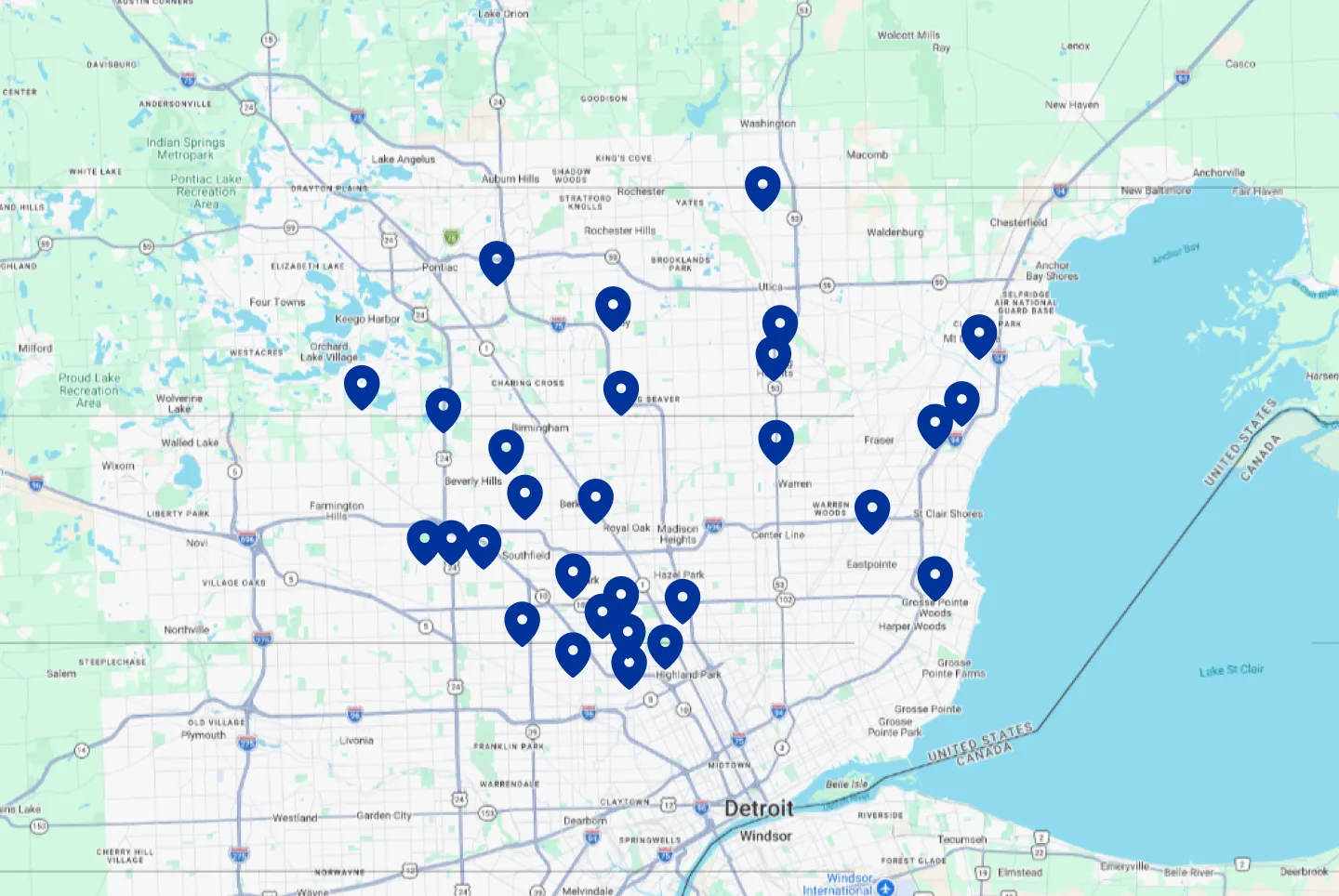
Service Areas