
When to Upgrade Wiring in an Older Home and What to Expect
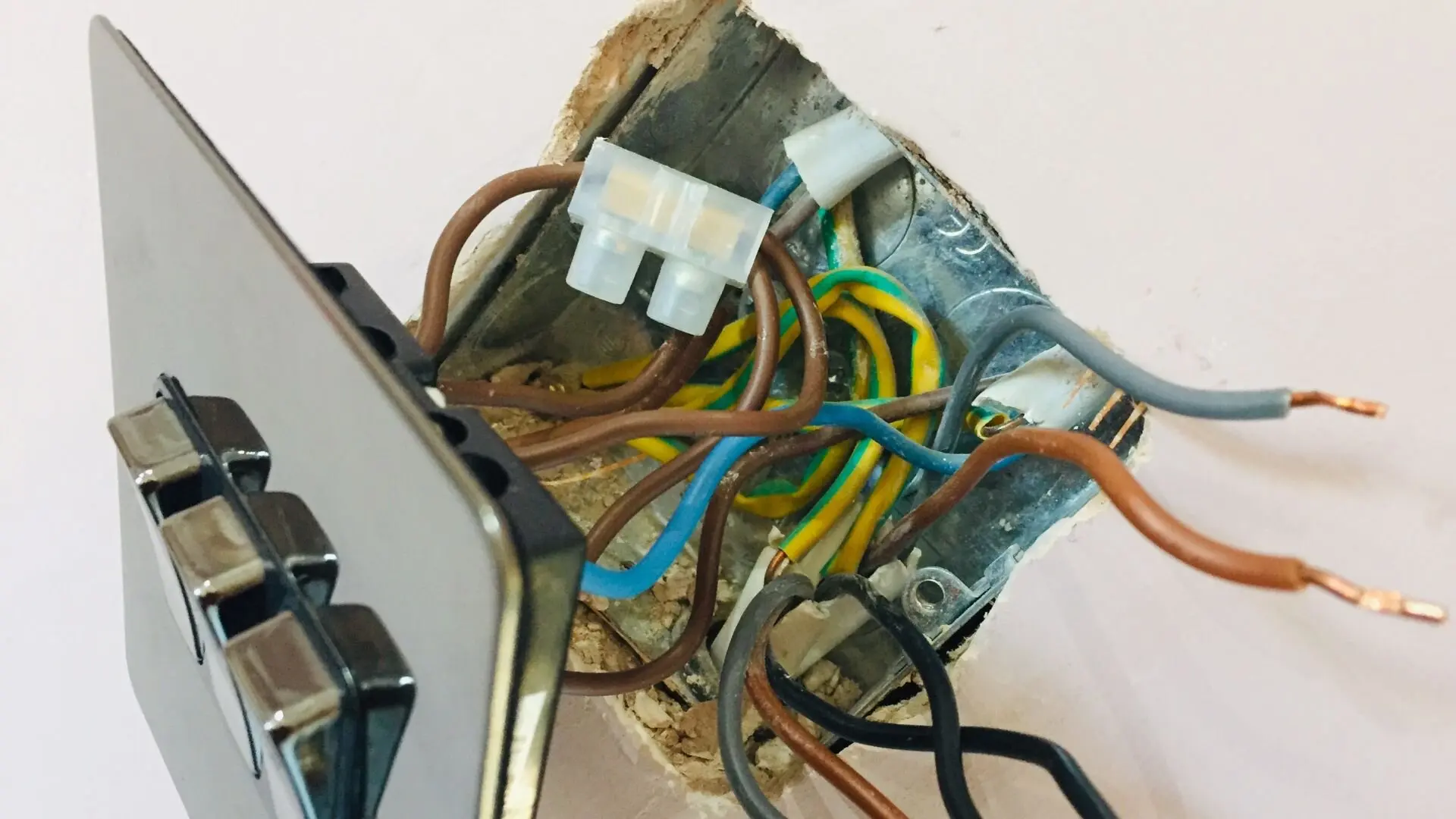
Older homes offer character and craftsmanship you rarely see today, but the electrical systems inside them were built for a very different lifestyle. Decades ago, households used a handful of lights, a refrigerator, and a radio. Modern living depends on computers, entertainment systems, kitchen appliances, HVAC equipment, and constant device charging. When wiring cannot safely support that demand, the risk shifts from inconvenience to safety.
At Blue Heron Electrical, many homeowners contact us thinking they need a panel replacement, only to learn the real issue is aging wiring behind the walls. Understanding when wiring should be upgraded — and what the process involves — helps you make informed decisions and avoid emergency repairs.
Signs Your Home’s Wiring Is Outdated
Electrical wiring does not last forever. Insulation breaks down, connections loosen, and materials used in older installations no longer meet modern safety standards.
Common warning signs include:
- Frequently tripped breakers
- Lights dimming when appliances run
- Flickering lights throughout the house
- Burning smells near outlets or switches
- Warm outlets or switches
- Buzzing sounds inside walls
- Two-prong outlets with no grounding
- Limited number of outlets in each room
Many older homes also rely heavily on extension cords because outlets are scarce. This is a strong indicator the system was never designed for today’s electrical load.
Another major clue is having to avoid using multiple appliances at once. If running a microwave and toaster together trips a breaker, the wiring is operating near its capacity.
Types of Wiring Commonly Found in Older Homes
Different generations of construction used different wiring methods. Some are still safe when in good condition, while others should be replaced as soon as possible.
Knob-and-Tube Wiring
Used primarily before the 1940s, this system runs single insulated conductors through ceramic supports. It lacks grounding and was designed long before modern electrical demand existed. Insulation becomes brittle over time, increasing fire risk.
Cloth-Insulated Wiring
Homes built in the 1940s–1950s often used rubber insulation wrapped in cloth. As rubber ages, it cracks and exposes conductors.
Aluminum Branch Wiring
Common in the late 1960s and early 1970s, aluminum wiring expands and contracts more than copper. This movement loosens connections, leading to overheating and arcing if not properly corrected.
Early Non-Grounded Copper Wiring
Some mid-century homes have copper wiring but no grounding conductor. While better than older systems, it does not adequately protect modern electronics.
If any of these are present, the system may still function but cannot provide the same level of protection required for today’s appliances and devices.
Why Upgrading Wiring Matters
Outdated wiring affects more than convenience. It directly impacts safety, reliability, and appliance lifespan.
Modern homes draw significantly more electricity. High-demand items include:
- Air conditioning systems
- Electric ranges
- Dishwashers
- Laundry equipment
- Computers and networking devices
- Electric vehicle chargers
Older wiring was not designed for sustained load. When conductors operate near their limit daily, heat builds inside walls. Heat weakens insulation, and weakened insulation allows arcing — one of the leading causes of residential electrical fires.
Upgrading wiring provides:
- Proper grounding protection
- Stable voltage distribution
- Reduced fire risk
- Support for modern appliances
- Compatibility with surge protection
Many homeowners also notice fewer flickering lights and more consistent device performance after replacement.
What Happens During a Rewiring Project
Rewiring a home sounds intimidating, but the process is methodical and controlled. The goal is to replace unsafe conductors while minimizing disruption.
The process typically includes:
- Electrical evaluation – Load calculations and inspection of existing wiring
- Planning circuits – Designing dedicated circuits for kitchens, laundry, and large appliances
- Installing new wiring – Running grounded copper conductors through walls and ceilings
- Replacing outlets and switches – Updating devices to grounded receptacles
- Panel connection – Integrating circuits into the electrical panel
- Testing and verification – Confirming safe voltage and grounding
Electricians often work room by room. In many cases, homeowners can remain in the home during the project.
How Much Disruption to Expect
One of the biggest concerns homeowners have is wall damage. While some wall access is required, experienced electricians plan wire routes carefully to minimize openings.
You can expect:
- Small wall openings for wire access
- Temporary power shutoffs to certain rooms
- Replacement of outlets and switches
- Possible drywall patching afterward
Most structural elements remain untouched. The majority of work occurs inside wall cavities, basements, attics, and crawlspaces.
How Long It Takes
Project duration depends on home size and accessibility. A small home may take several days, while a large or complex layout can take one to two weeks.
Factors affecting timeline:
- Number of circuits required
- Accessibility of attic or basement
- Wall construction type
- Existing wiring condition
The work is phased so essential areas regain power quickly.
Additional Improvements Often Included
Many homeowners choose to upgrade related components at the same time since electricians already have access to the wiring system.
Common additions:
- Arc-fault and ground-fault protection
- Additional outlets
- Dedicated appliance circuits
- Whole-house surge protection
- Upgraded grounding system
Combining these improvements increases both safety and convenience.
Cost vs. Long-Term Value
Rewiring is a major electrical upgrade, but it also protects the home itself. Insurance companies often view outdated wiring as a liability, and some policies require replacement of certain systems.
Benefits beyond safety include:
- Improved resale value
- Fewer electrical repairs
- Better appliance performance
- Increased buyer confidence during inspections
Modern wiring also allows future upgrades like EV chargers, high-efficiency HVAC systems, and home automation.
When You Should Schedule an Inspection
You should have wiring evaluated if your home was built more than 40–50 years ago and has not been updated, especially if you observe flickering lights, warm outlets, or recurring breaker trips.
At Blue Heron Electrical, we assess wiring condition, load demand, and grounding to determine whether targeted repairs or a full rewiring is the safest option. Acting early allows upgrades to be planned instead of rushed during an emergency.
Electrical wiring is hidden, so problems are easy to overlook. But it is one of the most important safety systems in a home. Upgrading outdated wiring ensures your home can safely support modern power needs while protecting both property and occupants.
Customer Testimonials

Service Areas