
Do You Need a Permit to Install a Standby Generator in Michigan?
Michigan Homeowners: Here's What You Need to Know Before Installing a Standby Generator
Do you need a permit to install a standby generator in Michigan? Yes — in virtually every Michigan city and county, you will need at least one permit, and most installations require multiple permits covering electrical, mechanical (gas), and sometimes building or zoning work. Skipping permits can lead to fines, insurance problems, and headaches when selling your home.
Quick answer at a glance:
| Permit Type | Required? | Who Typically Applies |
|---|---|---|
| Electrical permit | Yes, always | Licensed electrical contractor |
| Mechanical/gas permit | Yes, if natural gas or propane | Licensed gas fitter |
| Building/zoning permit | Often required | Homeowner or contractor |
| HOA approval | Depends on your community | Homeowner |
Over 400,000 Michigan residents lost power during the ice storms of early 2025 — and demand for standby generators has surged ever since. But buying a generator is only part of the process. Installing one is a regulated construction project that must comply with Michigan's electrical code, local building ordinances, and in many cases, homeowner association rules.
Michigan adopted the 2023 National Electrical Code (NEC) in January 2025, which means the rules around generator wiring, transfer switches, grounding, and inspections have been updated. Whether you're in Metro Detroit, Lansing, or anywhere in between, understanding the permitting process before you start will save you time, money, and stress.
This guide walks you through exactly what permits are required, what the inspection process looks like, and why working with a licensed electrician is the safest path forward.
Do You Need a Permit to Install a Standby Generator in Michigan?
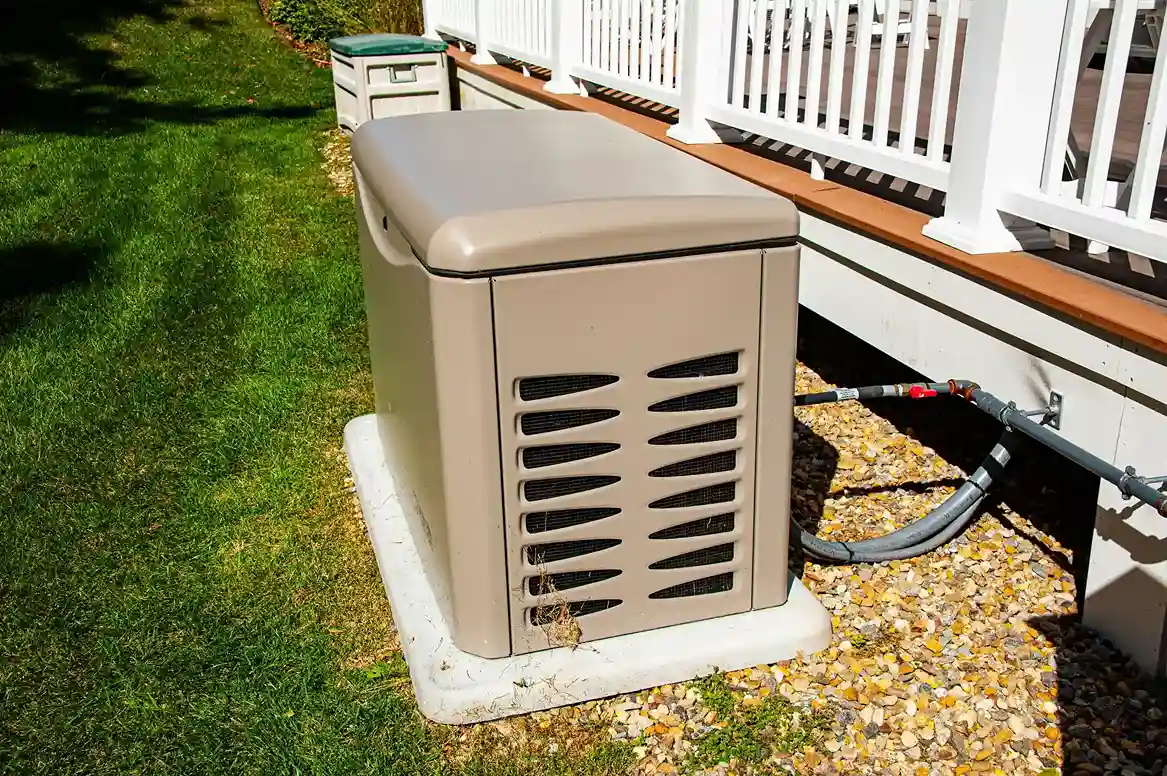
Yes, you absolutely need a permit to install a standby generator in Michigan. A standby generator is a permanent addition to your home’s infrastructure. Unlike a portable generator that you roll out of the garage and plug extension cords into during an emergency, a standby generator is wired directly into your home’s electrical system and connected to a continuous fuel source.
Because of this direct connection, local building departments in Michigan strictly regulate these installations. Any work that involves hardwiring electrical components or altering your home's main electrical panel triggers mandatory permitting requirements.
Every municipality in Southeast Michigan—from Troy and Royal Oak to Bloomfield Hills and Sterling Heights—has local building departments that enforce these state and local codes. When we handle your Generator Services, we make sure all municipal rules are followed to keep your system safe and fully compliant.
Why Do You Need a Permit to Install a Standby Generator in Michigan?
Permitting is not just administrative red tape; it is a critical safety measure. Standby generators produce significant electrical currents and use highly flammable fuels like natural gas or liquid propane.
The primary reasons Michigan requires permits for generator installations include:
- Preventing Backfeeding: If a generator is installed incorrectly without a proper transfer switch, it can feed electricity back into the utility grid. This is known as "backfeeding," and it can easily electrocute utility workers who are working to restore power in your neighborhood.
- Fire Prevention: Faulty wiring, improper grounding, or poorly sized electrical conduits can lead to short circuits and electrical fires.
- Carbon Monoxide Safety: Generators produce toxic exhaust. Permitting and inspections verify that the unit is placed far enough away from windows, doors, and vents to prevent deadly carbon monoxide from entering your home.
- Utility Interconnection: Permitting ensures your local utility provider (such as DTE Energy) is aware of the backup power source connected to your home's electrical panel.
By enforcing the National Electrical Code (NEC) and Michigan Residential Code standards, local inspectors ensure that your new Generators operate safely when you need them most.
Steps to Take If You Do Need a Permit to Install a Standby Generator in Michigan
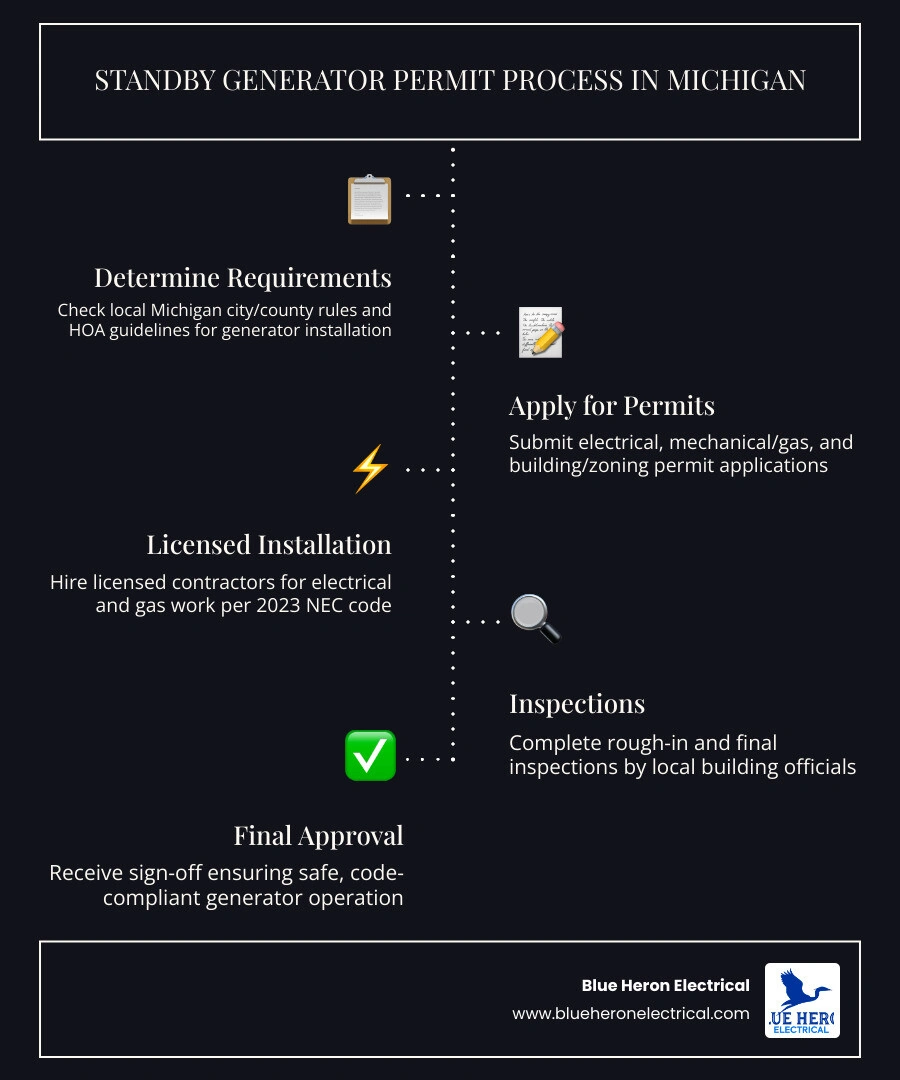
Obtaining a generator permit in Michigan involves several structured steps. If you are planning an installation, the process generally looks like this:
- Site Assessment: Identify the ideal, code-compliant location for the generator unit outside your home.
- Prepare Documentation: Gather the required documents, which typically include a detailed site plan showing property lines and setbacks, the manufacturer’s technical specification sheets, and a single-line electrical drawing.
- Submit Permit Applications: File the necessary electrical, mechanical, and building permit applications with your local building department.
- Zoning & HOA Review: Submit plans to your local zoning board or Homeowners Association (HOA) if required in your specific neighborhood.
- Schedule Inspections: Once the permits are issued, the physical installation can begin. You must schedule inspections at key stages (such as rough-in and final inspections) before the system is officially signed off and put into service.
Our team routinely handles this entire administrative and technical process for our clients as part of our professional Generator Installation services.
Types of Permits Required for Michigan Generator Installations
To safely and legally install a standby generator, you cannot rely on a single permit. Because these systems bridge multiple construction disciplines, local municipalities usually require a combination of permits that must be approved simultaneously.
| Permit Type | Focus Area | Key Code Inspected |
|---|---|---|
| Electrical Permit | Transfer switch wiring, panel connections, grounding, and bonding | 2023 National Electrical Code (NEC) |
| Mechanical Permit | Natural gas or propane line sizing, pressure testing, and connection | Michigan Mechanical Code / Fuel Gas Code |
| Building / Zoning Permit | Concrete pad installation, structural setbacks, and visual screening | Michigan Residential Code / Local Ordinances |
Electrical Permits and the 2025 Michigan Electrical Code
The electrical permit is the most critical piece of the puzzle. Effective January 2025, Michigan adopted the updated Michigan Electrical Code, which aligns with the 2023 edition of the National Electrical Code (NEC).
Under these updated standards, several specific rules apply:
- Automatic Transfer Switches (ATS): The ATS must be UL-listed and installed to safely isolate your home from the utility grid during an outage. We specialize in proper Generator Transfer Switch Installation Troy MI to keep your home's transition to backup power seamless and safe.
- Load-Shedding Requirements: If the generator's capacity is smaller than your home’s total electrical service load, the code requires the installation of an approved load-shedding device. This prevents the generator from becoming overloaded when high-draw appliances (like your air conditioner or electric dryer) attempt to start.
- Grounding and Bonding: The system must be grounded and bonded to prevent nuisance tripping and ground-fault hazards.
If you are looking to install a Whole Home Generator in Bloomfield MI, our local electricians will ensure that your electrical plans meet these strict 2023 NEC rules.
Mechanical and Gas Permits for Fuel Connections
Standby generators require a steady, high-volume supply of fuel—either natural gas or liquid propane (LP). A mechanical permit (often referred to as a gas permit) is required to run the fuel lines from your meter or tank to the generator unit.
A licensed mechanical professional must size the gas lines correctly. For example, a standard air-cooled standby generator can consume a significant volume of fuel per hour under full load. If your existing gas line is too small, or if your gas meter cannot handle the combined demand of your furnace, water heater, and generator, your generator will starve for fuel and fail to start. The mechanical permit process ensures that proper pressure testing is conducted to verify there are no leaks in the newly installed gas lines.
Building and Zoning Permits for Placement and Screening
Depending on where you live in Metro Detroit, you may also need a building or zoning permit. Local zoning laws dictate where a generator can be placed on your property.
Most cities require the generator to be placed on a level concrete pad that is elevated above potential snow-drift levels. Additionally, some municipalities have strict aesthetic and screening rules. For instance, Bloomfield Township requires a generator use permit alongside electrical and mechanical permits. They also require visual screening (such as a screen wall or specific landscaping) that matches your home’s building materials if the unit is visible from the street or neighboring properties.
If you are planning to install a Whole Home Generator in Birmingham MI, we can help you navigate these local zoning codes to ensure your placement is fully approved.
Clearance, Placement, and Noise Regulations in Michigan
Where you place your generator matters just as much as how it is wired. Michigan enforces strict clearance rules based on National Fire Protection Association (NFPA) standards, specifically NFPA 37. These rules are designed to prevent fire hazards and carbon monoxide poisoning.
Key clearance requirements include:
- Distance from Openings: The generator must be installed at least 5 feet away from any building openings, including windows, doors, vents, and crawlspace openings.
- Distance from Combustible Walls: While some generator manufacturers state their units can be placed as close as 18 inches from a home's exterior wall, local Michigan inspectors often look at the combustibility of the wall. If your home has vinyl siding or wood cladding, you must maintain a safe distance to prevent a fire hazard.
- Proximity to Property Lines: Most municipalities require a minimum side-yard setback (often 10 feet) to ensure the unit does not encroach on your neighbor's property.
When installing a Whole Home Generator in Royal Oak MI, we carefully measure these clearances during our initial site assessment to guarantee a code-compliant installation.
Noise Level Restrictions and HOA Guidelines
Standby generators run automatic weekly self-tests to ensure the engine is lubricated and the battery is charged. These tests, along with actual operation during a power outage, produce noise.
Many Metro Detroit communities enforce strict decibel limits. For example, some local ordinances state that a generator's noise level must register 70 dB(A) or less at 25 feet from the unit under load.
Furthermore, if you live in a subdivision managed by an HOA, you will likely need to submit your plans for approval before installation. HOAs often regulate:
- The hours during which the generator can run its weekly self-test (typically restricted to weekdays between 9:00 AM and 5:00 PM).
- The exact location of the unit (often requiring it to be placed in the rear yard rather than the side yard).
- The type of landscaping or fencing used to hide the unit from view.
Our team is highly experienced in helping homeowners select quiet, neighborhood-friendly units that comply with local noise ordinances, making us a great choice for installing a Whole Home Generator in Sterling Heights MI.
The Inspection Process and Consequences of Unpermitted Work
Once your generator is installed, the job is not complete until it passes official inspections. The inspection process typically occurs in stages:
- Rough-In Inspection: The inspector examines the trenching, conduit, and gas lines before they are buried or covered.
- Mechanical/Gas Pressure Test: A mechanical inspector verifies that the gas line holds pressure and is free of leaks.
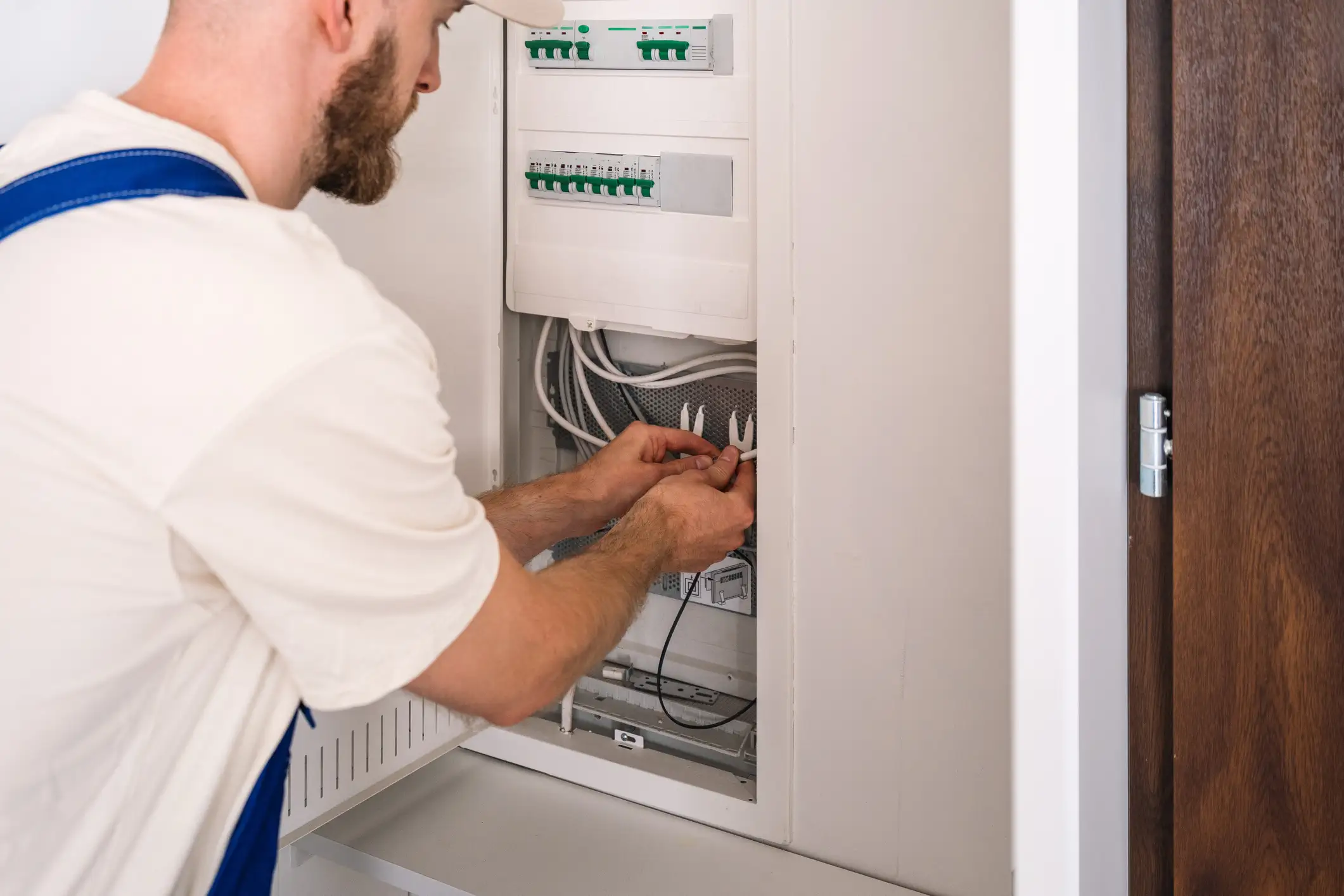
- Final Electrical Inspection: The electrical inspector verifies that the transfer switch is wired correctly, the grounding system is secure, and the generator functions safely without overloading your panel.
Skipping these steps and installing a generator without a permit carries severe consequences. If your local building department discovers an unpermitted generator, they can issue a stop-work order or a code violation fine. In some cases, they may even require you to completely remove the unit or tear up completed work to inspect the buried conduits.
Furthermore, unpermitted work can lead to:
- Insurance Denial: If an unpermitted generator causes an electrical fire or gas leak, your homeowner's insurance company may deny your claim.
- Resale Obstacles: When you sell your home, a municipal home inspection will likely flag the unpermitted generator, delaying the sale until you pull retroactive permits and pass inspections.
If you run into issues with an existing system, we also offer professional Generator Repair in Royal Oak MI to bring older, non-compliant systems back up to code.
Why DIY Generator Installation is Risky in Michigan
Some homeowners wonder if they can save money by installing a standby generator themselves. While a DIY approach is tempting, standby generator installation is incredibly complex. It requires advanced knowledge of electrical load calculations, gas pipe sizing, and local zoning laws.
A minor mistake during a DIY installation can lead to:
- Serious safety hazards, including carbon monoxide leaks or electrical fires.
- A voided manufacturer's warranty (most major brands, like Generac, require professional installation to keep the warranty valid).
- Failure to pass local inspections, requiring costly professional corrections.
To keep your system running safely for years to come, we highly recommend leaving the initial setup and ongoing Generator Maintenance Troy MI to licensed professionals.
Frequently Asked Questions About Michigan Generator Permits
Can a homeowner pull their own generator permits in Michigan?
In some Michigan municipalities, homeowners who own and occupy their primary residence can pull "owner-builder" permits for certain types of work. However, because standby generators connect directly to the main utility grid, many local building departments in Metro Detroit require a licensed electrical contractor to pull the electrical permit. This ensures the work is performed by a qualified professional who understands complex grid-interconnection rules.
If you are looking into Generator Installation in Bloomfield MI, it is always best to let your licensed contractor handle the permitting process to avoid administrative delays.
How long does it take to get a generator permit approved in Michigan?
The approval timeline varies by municipality. On average, the permit review process takes about 10 to 15 business days. However, the total timeline from the initial site assessment to final inspection can take 2 to 4 weeks, depending on how quickly your local building department reviews plans and schedules inspections.
If you are planning a Generator Installation in Birmingham MI, we recommend starting the process well before the stormy winter or summer seasons to ensure your system is ready when you need it.
What happens if I install a standby generator without a permit?
Installing a generator without a permit can result in code violation fines, stop-work orders, and utility service lockouts. Additionally, your homeowner's insurance policy may not cover any damages caused by an unpermitted electrical system. If you have an older system that was installed without a permit and is now experiencing issues, you may need a professional Generator Repair in Troy MI to bring the system up to current codes.
Conclusion
Installing a standby generator is one of the best ways to protect your home and family from Michigan's unpredictable weather and seasonal power outages. However, ensuring your system is safe, reliable, and legal requires navigating a complex web of electrical, mechanical, and local zoning permits.
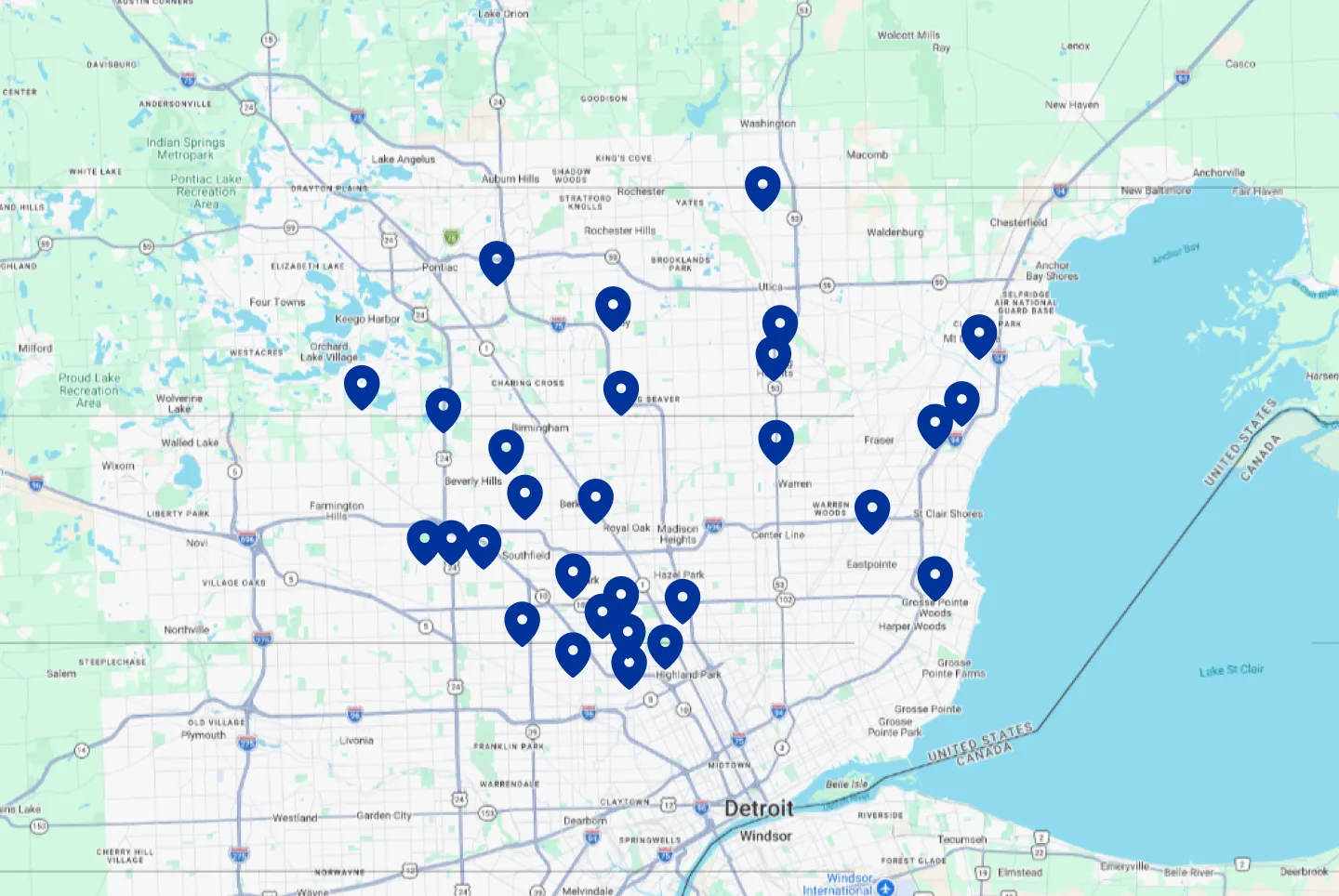
At Blue Heron Electrical, we take the stress out of the entire process. As a trusted residential and commercial electrical services provider in Metro Detroit and Oakland County, we specialize in dependable, code-compliant installations. Our team serves homeowners across the region, including Auburn Hills, Birmingham, Bloomfield Hills, Royal Oak, Sterling Heights, Troy, and surrounding communities. We handle everything from the initial site assessment and permit applications to the physical installation and final inspections.
Ready to protect your home with a professionally installed, fully permitted backup power system? Contact us today to schedule your professional Generator Installation and enjoy peace of mind through the next storm.
Customer Testimonials

Service Areas