
How to Add Outlets Safely Without Enough Power
Why So Many Michigan Homeowners Are Running Out of Power — and What to Do About It
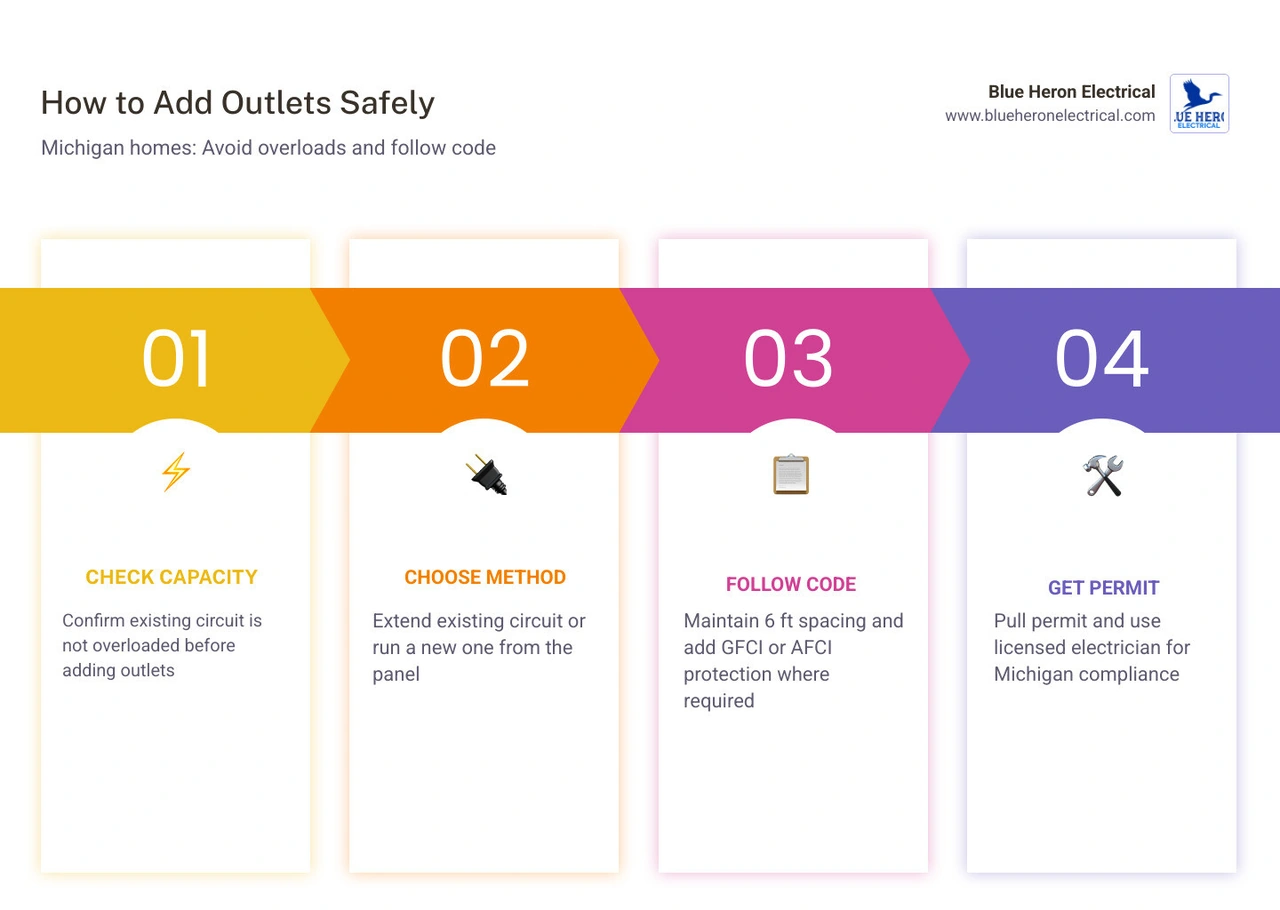
If you're trying to figure out how to add outlets in a room without enough power in a michigan home, here's the short answer:
- Check your circuit capacity — confirm the existing circuit isn't already overloaded before adding anything to it
- Choose your method — either extend an existing circuit or run a new one from the panel
- Follow Michigan code — outlets must be no more than 6 feet from any point along a wall, and certain rooms require GFCI or AFCI protection
- Pull a permit — Michigan requires permits for virtually all new electrical wiring work
- Hire a licensed electrician if you're unsure — Michigan law requires electrical work to be performed by or under the supervision of a licensed contractor
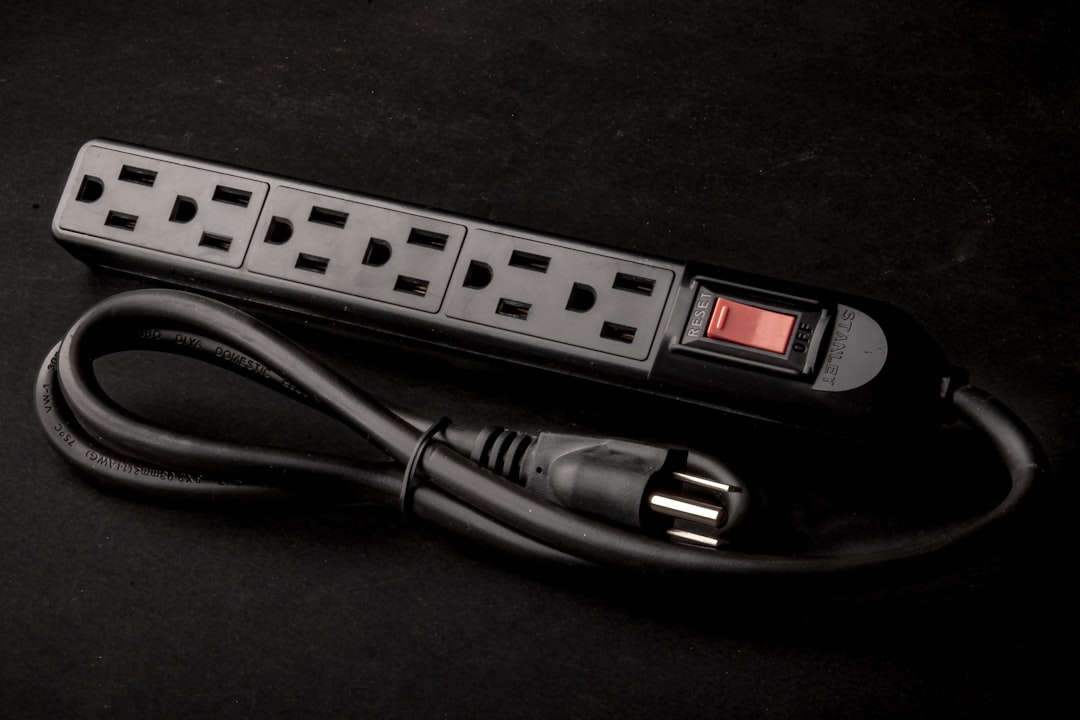
Older Michigan homes were built for a different era. In homes from the 1960s, it was standard to have just one outlet per bedroom — because households simply didn't have that many devices. Fast forward to 2026, and that same outlet is expected to power a laptop, a phone charger, a bedside lamp, a fan, and a TV all at once. The result? Tripped breakers, overloaded power strips, and a tangle of extension cords snaking across the floor.
It's not just an inconvenience. The NFPA estimates roughly 46,700 home electrical fires occur every year in the U.S., with two-thirds linked to arc faults — a risk that's significantly higher in older homes with outdated wiring. Relying on extension cords and overloaded strips only makes that risk worse.
The good news is that adding outlets to a room with insufficient power is very doable — as long as it's done safely and up to Michigan code. This guide walks you through exactly how.
Understanding the Challenge: How to Add Outlets in a Room Without Enough Power in a Michigan Home
When you plug in your devices and hear a click followed by sudden darkness, your electrical system is telling you it has reached its limit. To safely learn how to add outlets in a room without enough power in a michigan home, you first need to understand how circuit capacity works.
Every outlet in your home is tied to a specific circuit breaker in your electrical panel. That breaker is designed to shut off the flow of electricity if the demand exceeds a safe limit. If you simply tap into an existing, already-stressed circuit to add a new outlet, you aren't actually adding more power to the room; you are just spreading the same limited amount of electricity across more plugs. This can lead to common outlet problems and what they mean for your electrical system, such as loose connections, overheating, and damaged appliances.
To determine how to proceed, we must look at the standard outlet types and wire gauges used in residential electrical systems:
- 15-Amp Circuits: These are standard in most bedrooms, living rooms, and hallways. They are wired with 14-gauge wire (14/2 NM cable) and protected by a 15-amp breaker. They are ideal for lighting, phones, and low-draw electronics.
- 20-Amp Circuits: These are required in high-demand areas like kitchens, bathrooms, and laundry rooms. They are wired with thicker 12-gauge wire (12/2 NM cable) and protected by a 20-amp breaker. They can handle heavier appliances like microwaves, hair dryers, and space heaters.
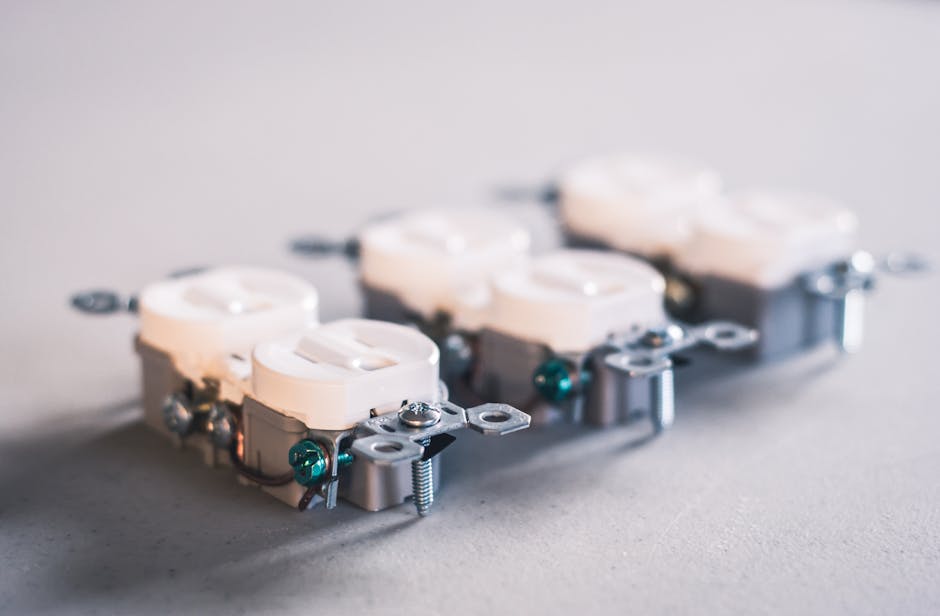
You can easily identify a 20-amp outlet by looking at its face: it features a horizontal T-slot on the left side of the plug opening. Never install a 20-amp outlet on a 15-amp circuit, as this is a major code violation and a severe fire hazard.
| Circuit Feature | 15-Amp Circuit | 20-Amp Circuit |
|---|---|---|
| Common Wire Gauge | 14 AWG (Copper) | 12 AWG (Copper) |
| Standard Locations | Bedrooms, Living Rooms, Hallways | Kitchens, Bathrooms, Garages, Basements |
| Max Practical Wattage | 1,440 Watts (Continuous Load) | 1,920 Watts (Continuous Load) |
| Outlet Appearance | Two vertical slots | One vertical slot, one T-shaped slot |
If you notice your lights dimming or flickering when you plug in a device, this is a clear warning sign. Understanding why flickering lights should never be ignored is crucial to keeping your home safe from electrical fires.
Assessing Your Current System: How to Add Outlets in a Room Without Enough Power in a Michigan Home Safely
Before planning a new outlet installation, you must look at your main electrical panel. Many older homes in Metro Detroit—such as those built in the 1950s, 1960s, or 1970s—were originally built with 60-amp or 100-amp service. Today's homes, packed with smart technology, heavy appliances, and modern heating and cooling systems, typically require a minimum of 200-amp service.
If your panel is already crowded, full of tandem breakers, or warm to the touch, adding more outlets to your existing circuits will only worsen the issue. It's essential to recognize the signs your electrical panel is no longer safe for modern power needs. If your system is maxed out, you will likely need to look into electrical panel upgrades Troy MI to expand your capacity safely before adding new circuits.
Step-by-Step Guide to Planning and Adding New Outlets Under Michigan Code
Michigan adopts the National Electrical Code (NEC) with state-specific amendments through the Department of Licensing and Regulatory Affairs (LARA). When we perform residential electrical work Troy MI or assist homeowners throughout our Troy MI service area, we must strictly adhere to these guidelines.
Under the Michigan Residential Code, general-purpose outlets must follow the 6-foot / 12-foot spacing rule:
- No point along a wall line in a bedroom, living room, or family room can be more than 6 feet from an outlet.
- This means you should have an outlet at least every 12 feet along continuous walls.
- Any wall space that is 2 feet or wider requires its own receptacle.
Additionally, modern codes require specific safety protections:
- GFCI (Ground-Fault Circuit-Interrupter): Required in all wet or damp areas (kitchens, bathrooms, crawl spaces, unfinished basements, outdoors, and within 6 feet of any sink or tub) to protect against electrical shock.
- AFCI (Arc-Fault Circuit-Interrupter): Required in virtually all habitable rooms (bedrooms, living rooms, family rooms) to detect dangerous electrical arcs that could cause a fire.
- Tamper-Resistant (TR) Outlets: Featuring built-in shutters to prevent children from inserting foreign objects into the slots. These are required for all standard residential replacement and new installations.
Kitchen and Bath Code Compliance
Kitchens and bathrooms have much stricter power demands. Under the updated 2024 IRC and 2023 NEC standards, you must have at least two 20-amp small-appliance branch circuits to serve the kitchen countertop and dining areas.
On kitchen countertops, no point along the wall line can be more than 24 inches from an outlet. All countertop receptacles must be GFCI-protected. If you are planning a remodel, make sure you are working with experts who understand kitchen & bath remodel wiring Troy MI to avoid costly inspection failures.
Step 1: Finding a Safe Power Source
If you determine that your existing circuit has enough capacity to handle a new outlet, you must locate a safe source to draw power from. This is typically a nearby outlet on the other side of the wall or an accessible junction box in the basement or attic.
To evaluate the circuit load:
- Turn off the breaker for the circuit you want to tap into.
- Identify every single light and outlet that goes dark when that breaker is off.
- Add up the wattage of the items normally plugged into those locations.
- Ensure the total load does not exceed 80% of the circuit's maximum capacity (1,440 watts for a 15-amp circuit).
If the circuit is already powering high-draw devices, you should not tap into it. Instead, contact us for professional outlet installation & repair Troy MI to run a new, dedicated line.
Step 2: Running Cable and Installing Old-Work Boxes
Once you have identified a safe power source, you will need to run the physical cable to your new outlet location.
- Cut the drywall opening: Use a template to mark the location for an "old-work" (remodeling) electrical box. Ensure the spot is between wall studs using a stud finder. Carefully cut the opening with a drywall saw.
- Fish the cable: Route your NM cable (14/2 for 15-amp, 12/2 for 20-amp) from the source outlet to the new opening. You can fish the wire through the basement, attic, or along the wall cavity behind the baseboard trim to minimize drywall damage.
- Secure the cable: Under Michigan code, cables must be secured within 12 inches of entering an electrical box and every 4.5 feet along their run.
- Install the box: Pull the cable through the back of the old-work box, insert the box into the drywall opening, and tighten the screws to engage the clamping wings against the drywall.
If you are expanding your home or adding a room, make sure you follow proper protocols for home addition wiring Troy MI.
Step 3: Making Safe Connections and Testing
Before making any physical wire connections, verify that the power is completely turned off using a reliable non-contact voltage tester at the source outlet.
- Strip the wires: Carefully strip about 6 inches of the outer cable jacket and 3/4 inch of insulation from the individual black (hot) and white (neutral) wires.
- Make the connections:
- Connect the black wire to the brass-colored terminal screws.
- Connect the white wire to the silver-colored terminal screws.
- Connect the bare copper ground wire to the green grounding screw on the receptacle and to the metal box (if using a metal box).
- Secure and tuck: Carefully fold the wires into the box, mount the receptacle to the box, and attach the faceplate.
- Test the circuit: Turn the breaker back on and use a receptacle tester to verify correct polarity and grounding.
When to Upgrade: Panel Upgrades and Dedicated Circuits
While tapping into an existing circuit is fine for low-draw devices like phone chargers or lamps, it is not a viable solution if you need to power heavy appliances. High-demand items—such as space heaters, window air conditioners, refrigerators, microwaves, and treadmills—must be placed on their own dedicated circuits.
In older Michigan homes, you may also encounter outdated wiring systems that present serious safety risks:
- Knob-and-Tube Wiring: Common in homes built before 1950, this ungrounded system cannot handle modern electrical loads and is often deemed uninsurable.
- Aluminum Branch-Circuit Wiring: Widely installed between 1965 and 1973, aluminum wiring is prone to loosening and overheating at connection points, presenting a major fire risk.
If your home features these older systems, simply adding an outlet is not safe. You should consult a licensed professional to discuss dedicated circuit installation Troy MI, learn when to upgrade wiring in an older home and what to expect, or plan for whole house rewiring Troy MI.
Upgrading Your System: How to Add Outlets in a Room Without Enough Power in a Michigan Home via Dedicated Lines
When a room lacks sufficient power, the most reliable approach is to run a dedicated circuit back to a modern 200-amp service panel or a subpanel. This ensures that your high-draw appliances have a steady, uninterrupted flow of electricity without overloading the rest of your home.
Under Michigan's LARA regulations, any electrical work involving new circuits, panel replacements, or service modifications requires a formal electrical permit and rough-in and final inspections. This is to ensure your home remains safe and fully compliant with state law. While planning these upgrades, it is also highly recommended to look into how to tell if your home needs whole house surge protection to safeguard your modern electronics, and design a safe framework for smart home remodel wiring Troy MI.
Frequently Asked Questions About Adding Outlets in Michigan
Do I need a permit to add an electrical outlet in Michigan?
Yes. Under Michigan law, any modification or addition to your home's electrical wiring requires an electrical permit issued by your local enforcing agency (LEA). While Michigan does have limited provisions allowing owner-occupants of single-family homes to pull their own permits, this does not apply to complex work like panel upgrades or service entrance installations. Hiring a licensed contractor ensures that the work is permitted, inspected, and fully compliant with state safety codes.
How many outlets can be on a single 15-amp circuit?
While the National Electrical Code does not specify a strict limit on the number of receptacles on a residential branch circuit, standard industry practice is to limit a 15-amp circuit to a maximum of 10 outlets (or 13 on a 20-amp circuit). However, the practical limit depends entirely on simultaneous device usage. If you run multiple high-draw devices at the same time, even a circuit with only two outlets can trip the breaker.
Does adding outlets increase my Michigan home's value?
Absolutely. Modern home buyers look for convenient power access and safe electrical systems. Eliminating messy extension cords, upgrading to modern GFCI/AFCI protection, and ensuring your home passes a standard home inspection with flying colors will significantly boost your property's safety, appeal, and market value.
Conclusion
Figuring out how to add outlets in a room without enough power in a michigan home is a smart way to upgrade your living space, but it must be done with safety and code compliance in mind. From matching wire gauges to installing proper GFCI and AFCI protection, keeping your home's electrical system up to date is essential for preventing fire hazards and ensuring long-term reliability.
At Blue Heron Electrical, we serve homeowners throughout Metro Detroit with dependable, high-quality, and code-compliant services. Whether you need a simple outlet addition, a new dedicated circuit, or a full panel upgrade, our expert team is here to help.
Explore our full range of electrical services or schedule professional outlet installation with Blue Heron Electrical today to bring safe, reliable power to your Michigan home!
Customer Testimonials

Service Areas