
Common Outlet Problems and What They Mean for Your Electrical System
Discover what buzzing, warm, or non-working outlets say about your electrical system. Learn warning signs, possible causes, and when to call a licensed electrician.
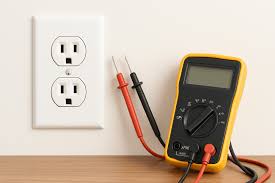
Electrical outlets are used every day but rarely inspected. Because they are so familiar, small issues often get ignored until a device stops working or a breaker trips. In reality, outlets are one of the earliest indicators that something deeper in the electrical system needs attention.
At Blue Heron Electrical, many service calls begin with a single outlet not working. After testing, we often discover wiring wear, circuit overloads, or panel issues affecting more than just that location. Understanding what outlet problems mean helps homeowners respond before minor concerns turn into safety hazards.
## **Outlet Feels Warm**
An outlet should never feel warm during normal use. Even when powering a television or computer, the faceplate should remain close to room temperature. Heat is a sign that electricity is encountering resistance somewhere in the circuit.
Common causes include:
- Loose wire connections
- Overloaded circuits
- Damaged receptacles
- Worn internal contacts
When resistance increases, electricity produces heat. Heat deteriorates insulation and can eventually lead to arcing behind the wall. This condition is dangerous because the wiring is hidden and damage may continue unnoticed.
If an outlet feels warm, unplug devices immediately and have the circuit inspected.
## **Outlets That Spark**
A small, brief spark when plugging in a device can sometimes occur as electricity jumps to the prongs of a plug. However, frequent or large sparks are a warning sign.
Serious sparking may indicate:
- Short circuits
- Moisture intrusion
- Loose wiring
- Internal outlet failure
Outlets contain metal contact points designed to grip plug prongs tightly. As outlets age, these contacts loosen. A loose connection causes electricity to arc, which erodes metal and increases fire risk.
Visible sparks or popping sounds should always be evaluated by a professional.
## **Plugs Fall Out Easily**
A plug should fit firmly into the outlet. If cords slide out with little resistance, the internal contacts are worn out.
This problem seems minor but creates real risk. A loose connection prevents full electrical contact, which increases resistance and heat generation. Over time, the outlet can overheat even when powering small devices.
Worn outlets often show additional symptoms:
- Intermittent device power
- Flickering lamps
- Slight buzzing sounds
Replacing the receptacle is usually simple, but the circuit should also be checked to ensure no wiring damage occurred.
## **Half the Outlet Stopped Working**
Many homes use split outlets, where the top and bottom receptacles are on separate wiring paths. One half may be controlled by a wall switch, commonly used for lamps.
If half an outlet stops working, possible causes include:
- A tripped breaker or GFCI
- A failed switch
- A broken tab inside the outlet
- A loose neutral connection
While sometimes harmless, a failed neutral wire can cause unstable voltage. That condition may affect multiple outlets along the same circuit.
When one outlet partially fails, it often indicates a wiring issue further upstream.
## **Burn Marks or Discoloration**
Dark marks around an outlet are one of the clearest danger signals. Discoloration indicates overheating or arcing has already occurred.
You may see:
- Brown or black marks
- Melted plastic
- A burnt smell
This is not cosmetic damage. It means electricity has escaped its intended path. Continued use can ignite surrounding materials inside the wall.
Power to the outlet should be turned off immediately and the circuit inspected before reuse.
## **GFCI Outlets That Keep Tripping**
Ground Fault Circuit Interrupter (GFCI) outlets are designed to shut off power when they detect electricity flowing where it should not. They are commonly installed in bathrooms, kitchens, garages, and outdoors.
If a GFCI trips occasionally, it may be doing its job. But frequent tripping indicates an underlying problem.
Possible causes:
- Moisture in the circuit
- Appliance leakage current
- Wiring faults
- Grounding issues
GFCIs monitor the difference between outgoing and returning current. When the imbalance reaches a small threshold, they shut power off instantly to prevent shock hazards.
Repeated trips should not be ignored, especially if no appliance is connected.
## **Dead Outlets**
An outlet that stops working entirely can mean several different things. The issue may be localized, or it may be part of a larger electrical failure.
Common reasons include:
- Tripped breaker
- Failed GFCI upstream
- Loose wiring connection
- Damaged receptacle
- Backstabbed wiring coming loose
Many outlets are wired in sequence. If a connection fails at one location, every outlet downstream loses power. Finding the first failed connection is important because hidden wiring damage may exist behind the wall.
## **Buzzing Sounds**
Electricity should be silent. Any buzzing or humming from an outlet indicates electrical arcing or a loose connection.
Buzzing often worsens when devices are plugged in because additional current increases the arc. This can quickly overheat wiring insulation.
You may also notice:
- A faint vibration
- Warm cover plates
- Flickering lights on the same circuit
This is a high-priority issue because arcing is a known cause of electrical fires.
## **Why Outlet Problems Affect the Entire System**
Outlets are termination points of larger circuits. When a problem appears at one outlet, it often reflects a condition affecting the wiring path or panel supplying it.
Issues that begin at outlets can indicate:
- Circuit overloads
- Aging wiring
- Improper grounding
- Panel connection deterioration
Treating only the outlet without evaluating the circuit may leave the underlying problem unresolved.
## **When to Call an Electrician**
You should schedule an inspection if you notice heat, burning odor, sparking, repeated GFCI trips, or multiple nonworking outlets. These conditions suggest electrical flow is not behaving as intended.
At Blue Heron Electrical, we trace circuits, test voltage stability, and inspect connections to determine whether the issue is localized or part of a broader system concern. Addressing outlet problems early helps prevent wiring damage and protects the safety of your home.
Outlets are small components, but they reveal valuable information about the health of your electrical system. Paying attention to their warning signs allows problems to be corrected before they escalate into costly repairs or dangerous situations.
testimonials
Customer Testimonials

where we operate
Service Areas