
The Ultimate Guide to Electrical Inspections in Older Michigan Homes
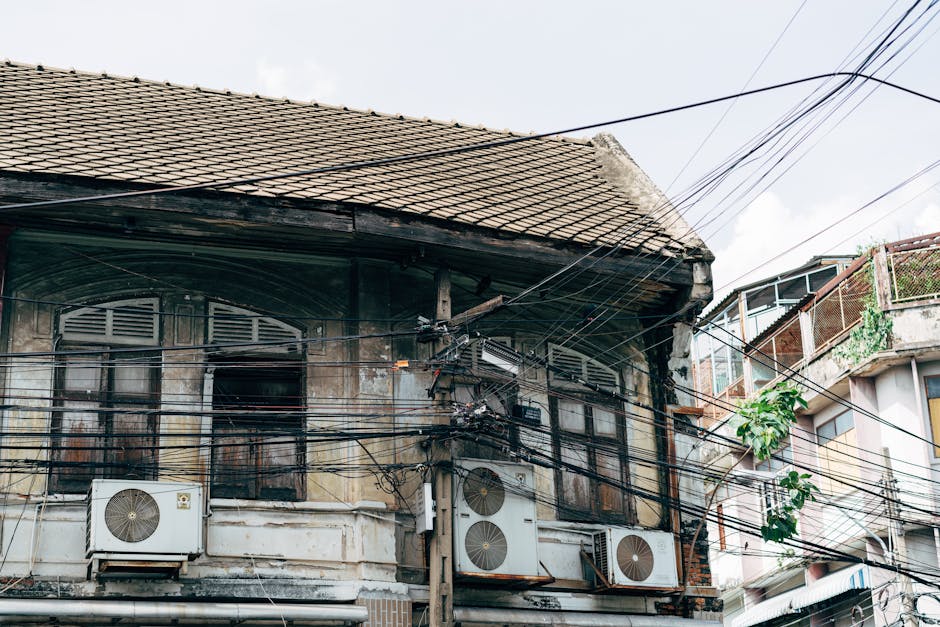
Why Electrical Inspections Are the First Line of Defense for Older Southeast Michigan Homes
How an electrical inspection protects older homes in Southeast Michigan comes down to one simple idea: catching hidden dangers before they become fires, shocks, or costly failures.
Here's a quick answer if that's what you need:
An electrical inspection protects older Southeast Michigan homes by:
- Identifying fire hazards — detecting overloaded circuits, outdated wiring, and failing panels before they ignite
- Preventing electrical shocks — verifying proper grounding and GFCI protection in wet areas
- Stopping appliance damage — catching power quality issues and unprotected circuits that shorten appliance life
- Flagging code violations — identifying knob-and-tube wiring, aluminum wiring, and undersized fuse boxes that no longer meet safety standards
- Preparing for modern demands — assessing whether aging 100-amp service can safely support EV chargers, smart systems, or home offices
- Reducing winter risk — spotting panel vulnerabilities worsened by Michigan's freeze-thaw cycles and heavy heating loads
Most homeowners in Metro Detroit don't think about their electrical system until something stops working. But by that point, the real problem has often been building quietly behind the walls for years. According to national fire data, electrical failures account for roughly 51,000 home fires every year — and a significant share of those fires start in homes where no one knew anything was wrong.
Southeast Michigan has a large stock of older homes, many built before 1970, still running on original wiring and panels designed for a fraction of today's electrical load. That gap between what the system was built for and how it's being used today is exactly where the danger lives.
Common Electrical Hazards in Aging Metro Detroit Properties
If you live in a beautiful historic home in Royal Oak, Birmingham, or Bloomfield Hills, you likely appreciate its unique character, plaster walls, and classic craftsmanship. However, the electrical system behind those walls was built for a completely different era. In the mid-20th century, a typical household running a television, a refrigerator, and a few light bulbs required very little power. Today, we plug in everything from high-draw microwaves and hair dryers to computers, smart appliances, and electric vehicles.
When we perform safety inspections in these older neighborhoods, we consistently run into three major electrical hazards:
1. Knob-and-Tube Wiring
Common in homes built from the late 1800s up through the 1940s, knob-and-tube wiring consists of single insulated copper conductors run through porcelain protective tubes (knobs and tubes). While the copper wire itself is often still in decent shape, the organic cotton and rubber insulation surrounding it degrades, becomes brittle, and flakes off over time.
Furthermore, knob-and-tube systems are completely ungrounded, meaning there is no safe path for stray electrical current to travel in the event of a fault. To make matters worse, many homeowners have covered this wiring with modern attic insulation, which traps heat and significantly increases the risk of an electrical fire. If you suspect your home still has this setup, scheduling a professional evaluation for Knob and Tube Rewiring Troy MI is the safest way to protect your property.
2. Aluminum Wiring
During the mid-1960s to mid-1970s, copper prices skyrocketed, leading builders to use aluminum wiring instead. Unfortunately, aluminum expands and contracts at a much higher rate than copper when electricity flows through it. This constant thermal movement causes connections at outlets, switches, and panels to loosen over time.
Loose connections create electrical resistance, which generates intense heat and can easily ignite surrounding wood or drywall without ever tripping a breaker. If your home was built or remodeled during this decade, a professional inspection can determine whether you need Aluminum Wiring Replacement in Troy MI to eliminate these hidden fire hazards.
3. Outdated Panels and Fuse Boxes
Many properties in Southeast Michigan still operate on old fuse boxes or obsolete breaker panels like Federal Pacific Electric (FPE) or Zinsco. These older panels are notoriously unreliable. FPE and Zinsco breakers are documented to have high failure rates, often refusing to trip even when a massive overload occurs. Instead of shutting off the power to protect your home, the breaker allows the current to keep flowing, overheating the wires and starting a fire behind your drywall.
How an Electrical Inspection Protects Older Homes in Southeast Michigan
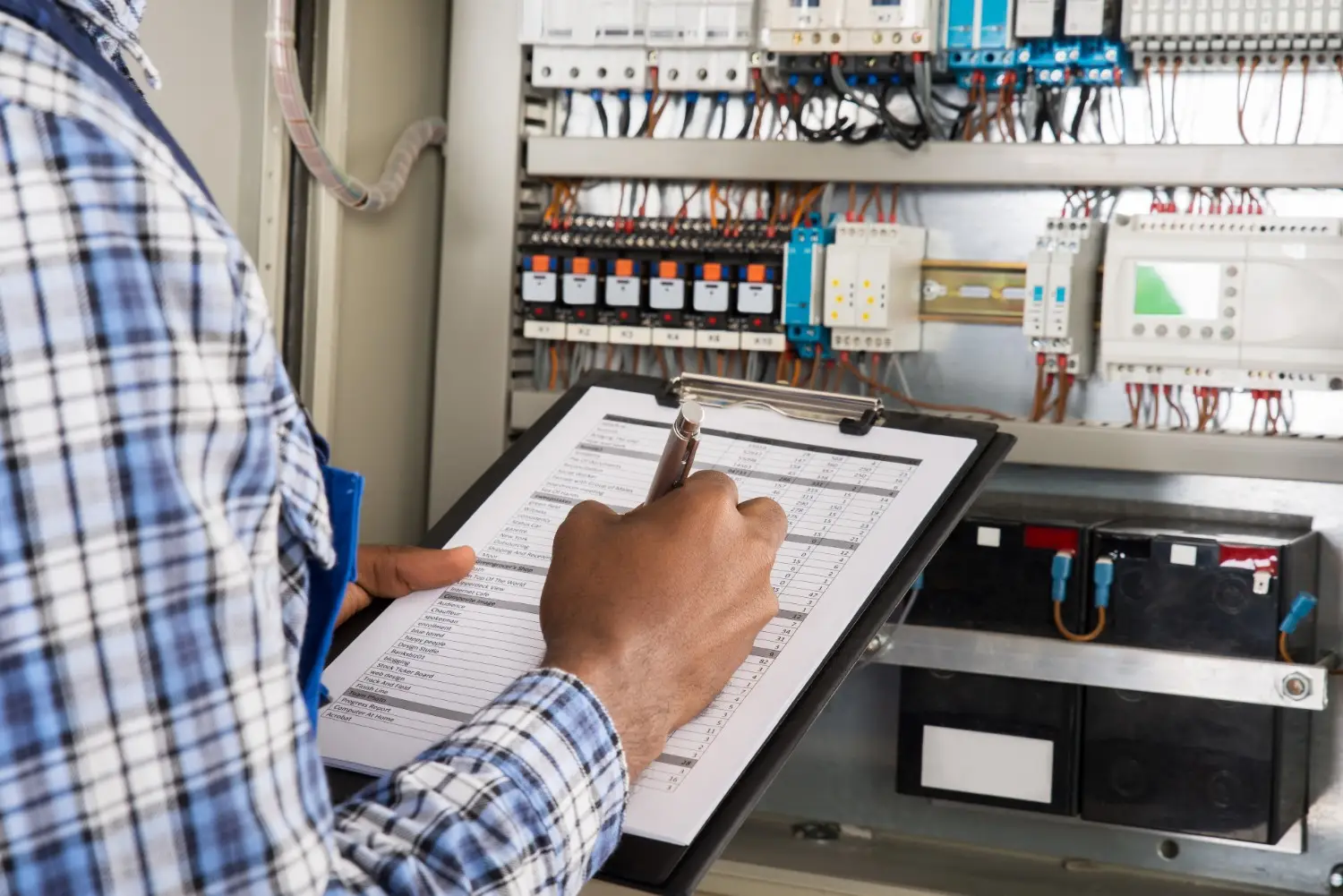
An electrical inspection is essentially a head-to-toe wellness exam for your home’s power grid. Instead of waiting for a spark or a burning smell to alert you to a problem, a licensed electrician uses advanced diagnostic tools to identify weak points before they lead to catastrophic failure.
By evaluating your main service panel, testing outlets, assessing grounding paths, and checking the integrity of your wiring, an inspection provides a clear roadmap for keeping your family safe. It protects your home in three primary ways:
- Fire Prevention: By identifying overheating wires, loose terminal connections, and failing breakers, we can eliminate fire hazards before they ignite.
- Shock Protection: We verify that your grounding systems are intact and that life-saving safety devices are installed in high-risk areas.
- Appliance Longevity: Unstable power, poor grounding, and minor surges slowly degrade the sensitive electronics inside your modern appliances, smart TVs, and computers. Ensuring your system is stable keeps your expensive electronics running longer.
To understand if your current setup is up to the task of keeping your household safe, it's helpful to learn the Signs Your Electrical Panel Is No Longer Safe for Modern Power Needs.
Understanding how an electrical inspection protects older homes in southeast michigan from winter weather
Our local climate in Southeast Michigan is incredibly hard on physical infrastructure. We experience extreme temperature swings, heavy snow accumulation, ice storms, and rapid freeze-thaw cycles. These seasonal shifts put massive physical stress on your home's electrical components.
During a freezing Metro Detroit winter, we crank up our heating systems and plug in supplemental space heaters. Space heaters are notorious power hogs, often drawing 1,500 watts or more. If an older home has weak or loose wiring connections, this sudden, prolonged electrical load generates intense heat at the weak points, drastically increasing the risk of an electrical fire.
Furthermore, the physical freeze-thaw cycles cause the metal components inside your electrical panel to expand and contract. Over several decades, this movement backs screws out of terminal bars and loosens breaker connections. Loose connections lead to "arcing" — where electricity jumps across a gap — which can melt components and start fires.
Additionally, heavy ice and snow can drag down outdoor service mast lines, damaging the connection where power enters your home. By scheduling professional Electrical Panel Services in Bloomfield MI, you can ensure your panel, grounding rods, and outdoor connections are physically secure and ready to handle the winter weather.
Real-world ways how an electrical inspection protects older homes in southeast michigan against modern power demands
Today's homeowners are demanding more from their electrical systems than ever before. We are installing electric vehicle (EV) chargers, smart home automation hubs, high-end kitchen appliances, and dedicated home offices filled with computers and servers.
The trouble is that a huge percentage of older homes in Southeast Michigan still operate on 100-amp service, and some historic properties even remain on outdated 60-amp fuse blocks. A 100-amp panel simply does not have the capacity to safely run a modern household, let alone support a new Level 2 EV charger or a whole-home backup generator.
Trying to run modern appliances on an undersized panel leads to constant breaker trips, flickering lights, and premature wear on your system. During an inspection, we evaluate your total household electrical load. If your demand exceeds your panel's safe capacity, we can guide you through Electrical Panel Upgrades in Troy MI to safely transition your home to a modern 200-amp service.
Key Warning Signs Your Older Home Needs an Immediate Inspection
Your electrical system will often try to warn you that something is wrong before a total failure occurs. Recognizing these signs early can save you from an emergency.
- Flickering or Dimming Lights: If your lights flicker when your microwave, refrigerator, or furnace kicks on, your circuits are struggling to handle the load.
- Tripping Breakers: A breaker that trips frequently is doing its job, but it’s telling you that the circuit is overloaded or there is a short circuit somewhere in your walls.
- Warm Outlets or Switch Plates: Outlets should never feel warm to the touch. If they do, it's a sign of dangerous heat buildup caused by loose wiring or overloaded circuits.
- A Persistent Burning Smell: If you notice a faint, sweet, or plastic-like burning smell but can't find the source, turn off your main breaker immediately and call a professional. This is a sign of wires overheating and melting their insulation behind your walls.
- Excessive Use of Extension Cords: Relying on extension cords as permanent wiring solutions is highly dangerous. Extension cords are only meant for temporary use; they can easily overheat, short out, or create tripping hazards.
If you are noticing any of these warning signs, it is time to learn When to Upgrade Wiring in an Older Home and What to Expect and consider a comprehensive service like Whole House Rewiring in Troy MI to ensure your home remains completely safe.
Essential Upgrades Recommended After a Professional Assessment
Once an inspection is complete, we provide homeowners with a prioritized list of recommendations. Below is a quick comparison of outdated electrical components versus their modern, safe counterparts:
| Outdated Component | Modern Safe Replacement | Why the Upgrade Matters |
|---|---|---|
| Fuse Boxes / FPE Panels | Modern 200-Amp Breaker Panel | Prevents failure-to-trip fires and provides adequate power capacity. |
| Two-Prong Outlets | Three-Prong Grounded Outlets / GFCIs | Creates a safe path for fault currents, preventing shocks and protecting electronics. |
| Knob-and-Tube / Aluminum | Modern Romex Copper Wiring | Eliminates deteriorating insulation and thermal expansion fire hazards. |
| Standard Breakers | AFCI / GFCI Dual-Function Breakers | Detects dangerous arc faults and shuts off power before a fire can start. |
Ground-Fault Circuit Interrupters (GFCIs)
GFCI outlets are designed to protect people from electrical shocks. They constantly monitor the electricity flowing through a circuit. If they detect even a tiny leak of current (such as electricity flowing through water or a person), the GFCI cuts off the power in milliseconds. These are absolutely critical in "wet" areas like kitchens, bathrooms, laundry rooms, basements, and outdoor locations. Older homes rarely have these installed in all the required locations.
Arc-Fault Circuit Interrupters (AFCIs)
While GFCIs protect people from shocks, AFCIs protect homes from fires. Standard breakers only trip during a direct short circuit or an overload. AFCI breakers use advanced microprocessors to detect the specific electrical signature of an "arc" — a spark jumping across damaged or loose wires behind a wall. By shutting off the power the moment an arc is detected, AFCIs prevent fires before they can even heat up.
Grounding and Surge Protection
Many older homes lack a proper grounding system. Grounding directs excess electricity safely into the earth rather than through your appliances or your body. Additionally, installing Whole Home Surge Protection Troy MI protects your entire home from external voltage spikes caused by lightning or utility grid switching, preserving the life of your modern electronics.
Frequently Asked Questions About Michigan Electrical Inspections
How often should older homes in Southeast Michigan be inspected?
While modern homes should be inspected every 10 years, we recommend that homes older than 30 years be inspected every 1 to 3 years. This is especially true if the home still has older wiring types, as components degrade over time and seasonal weather cycles can accelerate wear.
What does a professional electrical safety inspection actually cover?
A professional inspection includes a detailed physical check of your main service panel, testing the functionality of all breakers, verifying proper grounding and bonding, testing outlets for correct polarity and grounding, checking for GFCI and AFCI protection in required areas, inspecting visible attic and basement wiring, and checking outdoor service lines.
Can I perform an electrical inspection on my own?
While you can look for obvious warning signs like flickering lights or warm outlets, a comprehensive inspection requires specialized tools and deep knowledge of current electrical codes. Working around live electrical panels carries severe safety risks. It is always best to leave in-depth testing to a licensed, insured electrician who knows how to handle high-voltage systems safely.
Conclusion
Your home’s electrical system is the engine that keeps your daily life running smoothly. But when that engine is aging, neglected, or overloaded, it poses a direct threat to your property and your family's safety. Understanding how an electrical inspection protects older homes in Southeast Michigan is the first step toward securing peace of mind.
At Blue Heron Electrical, we are dedicated to providing dependable, code-compliant residential electrical services across Metro Detroit and Oakland County. Whether you need a simple safety check, a panel upgrade, or a complete rewire, our focus is always on safety, clear communication, and long-term reliability.
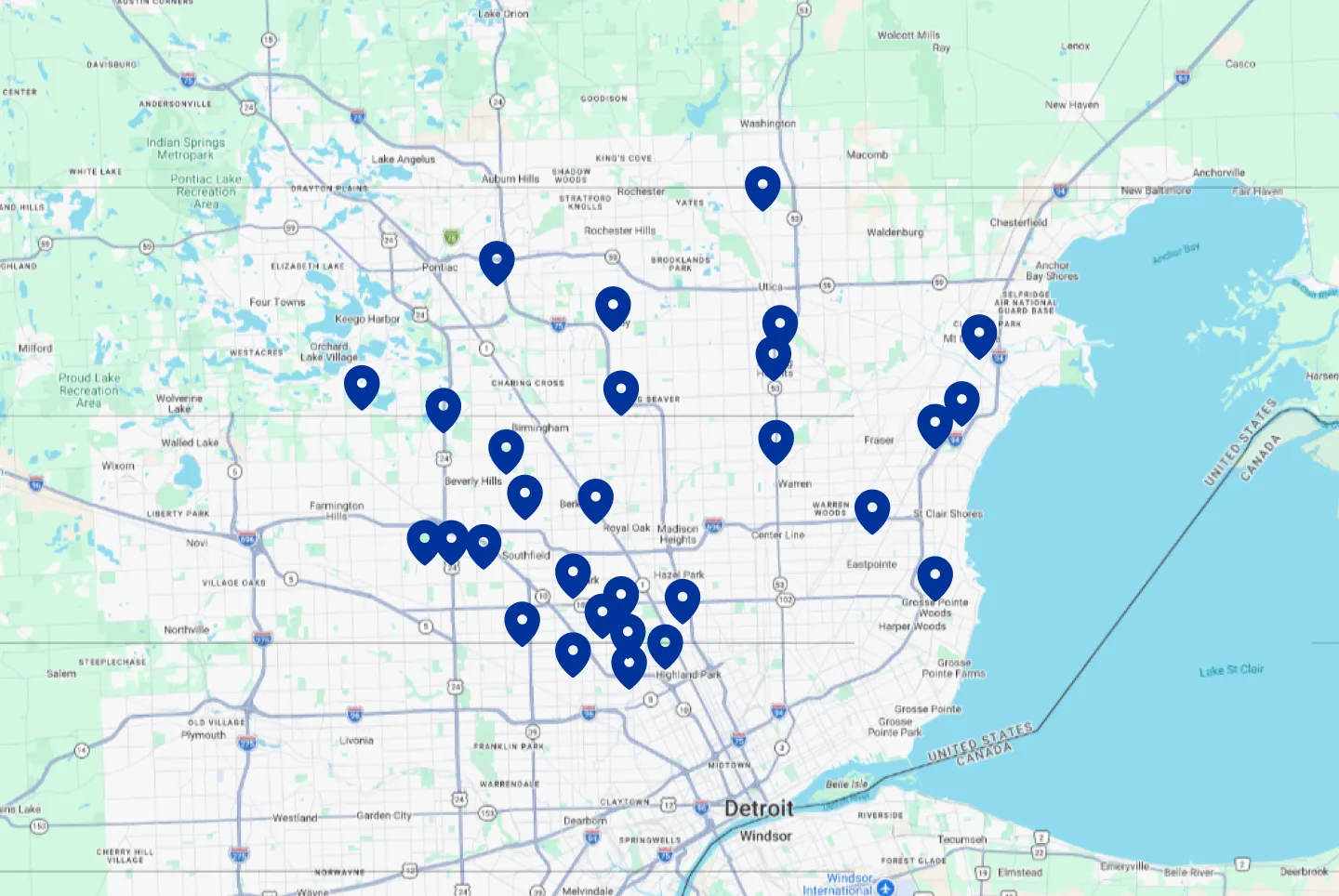
We proudly serve homeowners throughout our Service Areas, including Auburn Hills, Berkley, Beverly Hills, Bloomfield Hills, Birmingham, Royal Oak, Southfield, Sterling Heights, Rochester Hills, and our dedicated Troy MI Service Area.
Don't wait for a warning sign to turn into an emergency. Contact us today to Schedule Professional Electrical Services and make sure your historic home is safe, efficient, and ready for the future.
Customer Testimonials

Service Areas