
How to Check Permit Requirements for EV Charger Installation in Michigan
Do You Need a Permit to Install an EV Charger in Michigan? Here's What Homeowners Need to Know
If you've been wondering do you need a permit to install an ev charger in michigan, the short answer is: yes, in almost every case.
Here's a quick breakdown:
| Installation Type | Permit Required? |
|---|---|
| Level 1 charger plugged into an existing 120V outlet | No |
| New 120V outlet installation | Yes (electrical permit) |
| Level 2 charger (240V) — new circuit or outlet | Yes (electrical permit required) |
| Level 2 charger — hardwired | Yes (electrical permit required) |
| Electrical panel upgrade to support EV charger | Yes (separate permit) |
| DC Fast Charger (commercial) | Yes (electrical + building permits) |
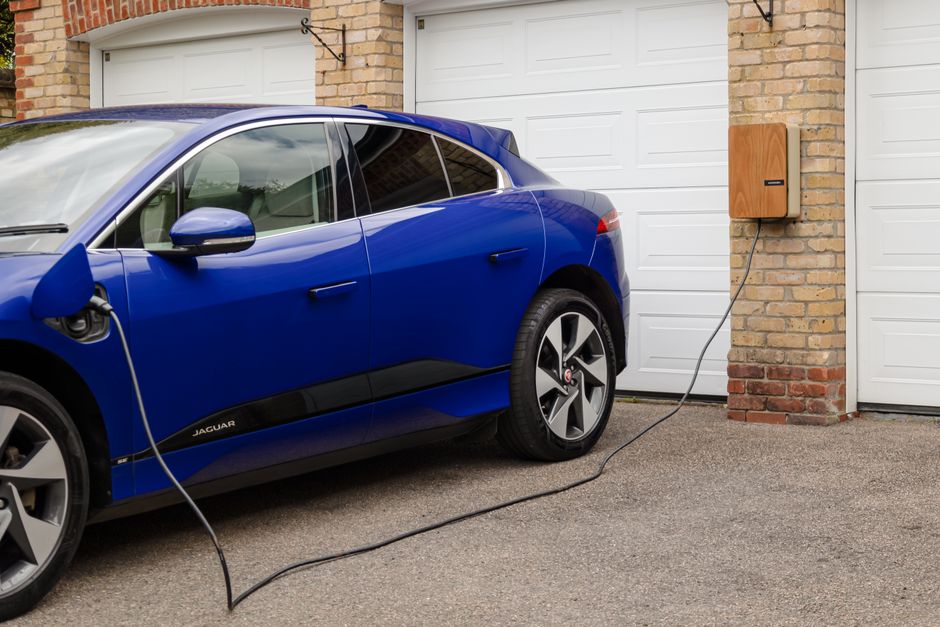
With more Metro Detroit homeowners going electric, the demand for at-home Level 2 charging has jumped significantly heading into mid-2026. It's convenient, it's practical — and it almost always requires pulling a permit before any work begins.
Michigan routes all electrical permitting through local building departments, called the Authority Having Jurisdiction (AHJ). That means the rules can vary depending on whether you're in Troy, Sterling Heights, Southfield, or another city — but the baseline requirement stays the same: any new circuit installation for EV charging needs an electrical permit.
Skipping the permit isn't just a technicality. It can create real problems down the line — from insurance coverage gaps to complications when selling your home.
This guide walks you through exactly what's required, who issues permits, and how the process works across Michigan.
Do You Need a Permit to Install an EV Charger in Michigan?
Yes, under the Michigan Electrical Code, installing a new Level 2 EV charging station or adding a dedicated 240V circuit requires an electrical permit.
While some homeowners assume that mounting a charger on a wall and plugging it in is a simple DIY task, the electrical infrastructure behind it is highly regulated. An EV charger is a continuous load device, meaning it draws a high amount of electricity consistently for hours at a time. This places a unique demand on your home’s electrical system.
Obtaining a permit ensures that your local building department reviews the installation plans and conducts a safety inspection once the work is complete. This process guarantees compliance with local building codes, which protects your home from electrical fires, ensures your homeowner's insurance policy remains valid, and preserves your home's resale value.
When you decide to transition to electric driving, understanding The Benefits of Installing an EV Charger at Home is only the first step; making sure that system is legally permitted and professionally inspected is what guarantees long-term peace of mind.
When do you need a permit to install an EV charger in Michigan for Level 2 systems?
A permit is mandatory for any Level 2 EV charger installation that involves:
- Installing a new, dedicated 240-volt branch circuit.
- Adding a new NEMA 14-50 or NEMA 6-50 outlet to plug in a charger.
- Hardwiring an EV charging unit directly into your home's electrical panel.
- Upgrading your electrical service panel to accommodate the increased power demand.
Because Level 2 chargers run on 240V power and typically draw anywhere from 16 to 80 amps, they cannot share power with other household appliances. A dedicated line is non-negotiable. If you reside in Oakland or Macomb County, organizing a professional Dedicated Circuit Installation Troy MI ensures your continuous load is safely managed on its own breaker without risking overloads.
Are there exceptions where you do not need a permit to install an EV charger in Michigan?
The only real exception is Level 1 charging.
If you use the standard 120-volt charging cord that came with your electric vehicle and plug it directly into an existing, pre-existing household outlet, you do not need a permit. This is because no modifications are being made to your home's electrical system.
However, if you need to install a new 120V outlet in your garage or on the exterior of your home to facilitate Level 1 charging, that new outlet installation still requires an electrical permit. Furthermore, Level 1 charging is incredibly slow, often taking 20 to 40 hours to fully charge a vehicle, which is why most homeowners quickly opt to upgrade to a Level 2 system.
Understanding Michigan Permitting Authorities and Regulations
Michigan's permitting system operates under a decentralized structure. The state's electrical rules are overseen by the Michigan Department of Licensing and Regulatory Affairs (LARA) and the Bureau of Construction Codes. However, the state does not issue permits directly to homeowners in most areas. Instead, permitting authority is delegated to the local Authority Having Jurisdiction (AHJ)—which is your local city, township, or county building department.
Michigan has adopted the National Electrical Code (NEC), with Article 625 specifically governing Electric Vehicle Power Transfer Systems (formerly Electric Vehicle Charging Systems). This article outlines safe wiring methods, equipment listing requirements, and load calculations.
Because local municipalities enforce these rules, the exact administrative process can vary slightly depending on where you live. For example, if you are planning an EV Charger Installation in Sterling Heights MI, you will deal directly with the Sterling Heights Building Department, which has its own specific fee structures and application forms.
Local Jurisdiction Variations in Metro Detroit
While the technical electrical safety codes are uniform across the state, local administrative rules in Metro Detroit vary:
- Troy: Requires a detailed electrical permit application. The city has a highly streamlined online portal for licensed contractors to pull permits quickly. If you are scheduling an EV Charger Installation Troy MI, the permit must be secured before our team begins mounting the equipment.
- Sterling Heights: Known for strict adherence to local building code amendments. They require detailed specifications of the charger and may require a site plan if the charger is mounted outdoors.
- Bloomfield & Birmingham: These communities often have strict aesthetic and zoning guidelines, particularly for outdoor charger placements.
- Royal Oak: Requires a standard electrical permit for all Level 2 installations and is highly diligent about checking load calculations for older homes to ensure the existing service can handle the new demand.
Homeowner Associations and Zoning Rules
In addition to municipal permits, you must also consider your Homeowner Association (HOA) rules or condo association bylaws.
Unlike some states that have robust "Right-to-Charge" laws preventing HOAs from banning EV chargers, Michigan has not yet passed statewide legislation that completely overrides HOA authority. This means your HOA can still enforce reasonable aesthetic guidelines, such as:
- Requiring the charger to be painted to match the exterior wall.
- Mandating that outdoor chargers be screened from the street or neighbors using evergreen landscaping or decorative fencing.
- Restricting where conduit can be run on the exterior of a building.
Before moving forward with an EV Charger Installation in Birmingham MI or other historic and highly regulated areas, always submit an architectural review request to your HOA to avoid costly compliance issues later.
The Step-by-Step EV Charger Permitting Process
Getting a permit doesn't have to be a headache if you know what to expect. The process generally follows these steps:
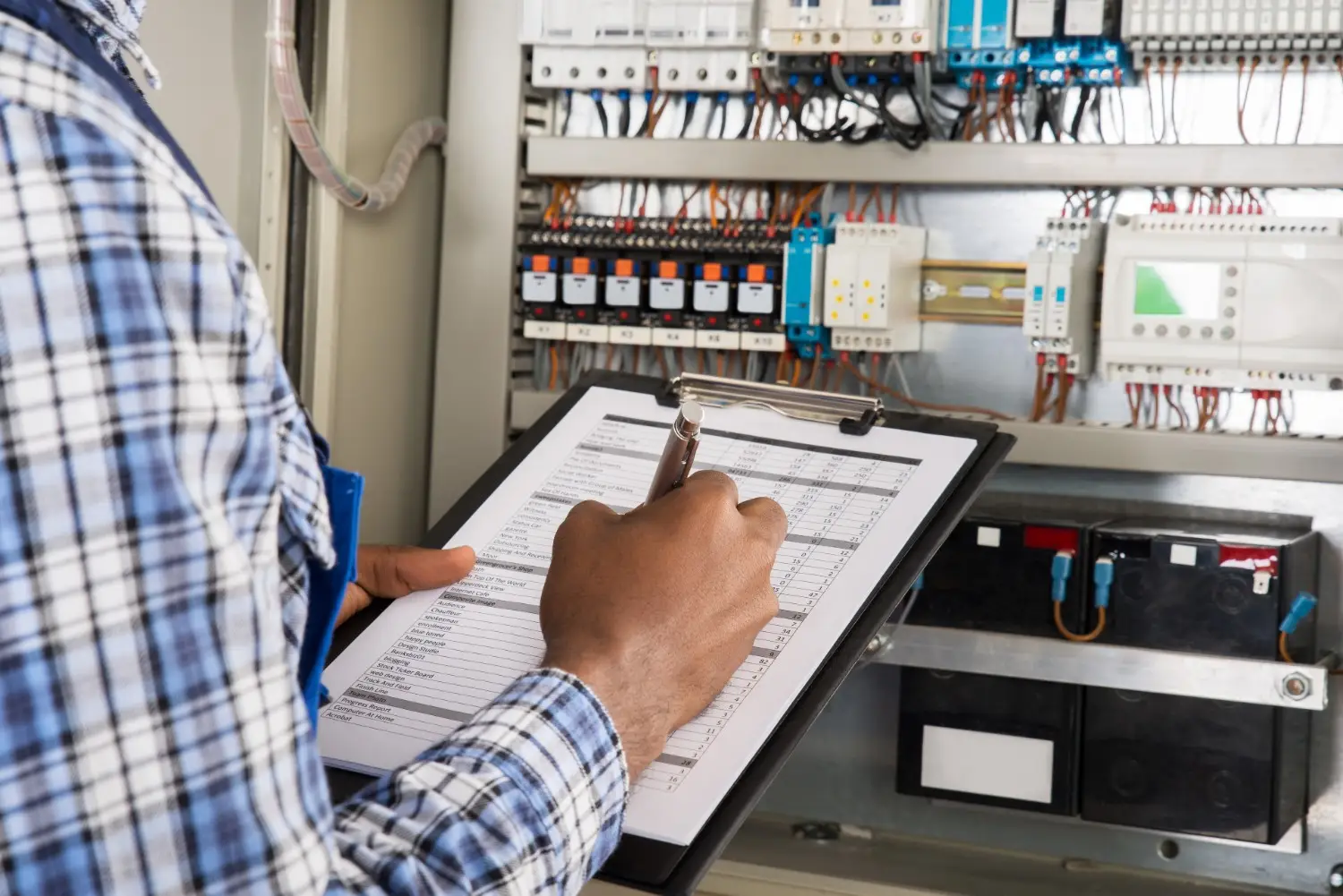
- Site Assessment & Load Calculation: Before applying, a licensed electrician must evaluate your current electrical panel to ensure it has the capacity for a new 240V circuit.
- Document Preparation: Gather the manufacturer's spec sheets for your UL-listed charger, a basic site plan, and a single-line wiring diagram.
- Permit Submission: The permit application is submitted to your local AHJ.
- Review & Approval: The building department reviews the application to ensure compliance with the NEC.
- Installation: Once the permit is issued, the physical installation work can begin.
- Inspection: A municipal electrical inspector visits your home to sign off on the work.
If your home's electrical panel is already crowded, you may need to address capacity issues first. Preparing for this step often involves organizing Electrical Panel Upgrades in Royal Oak MI to ensure your home can safely handle the new continuous electrical load.
Electrical Panel Capacity and Upgrades
A standard Level 2 EV charger requires a dedicated circuit—usually a 40-amp, 50-amp, or 60-amp breaker. To safely support this, your home's main electrical panel needs sufficient physical space and electrical capacity.
Many older homes in Metro Detroit only have 100-amp electrical service. Adding a 50-amp EV charger to a 100-amp panel can easily overload the system when other heavy appliances (like your air conditioner, dryer, or electric oven) are running simultaneously. In these cases, a panel upgrade to 200-amp service is highly recommended.
Unsure of your system's current state? Check out these Signs Your Electrical Panel Is No Longer Safe for Modern Power Needs. If your system is outdated, scheduling professional Electrical Panel Services in Bloomfield MI or neighboring communities like Sterling Heights and Troy will prepare your home for safe, high-speed charging.
Post-Installation Inspections and Utility Coordination
Once the charger is installed, the permit process is not complete until the local municipal inspector performs a final inspection. The inspector will verify that:
- The wire size matches the breaker rating (e.g., using proper gauge copper wire for a 50A circuit).
- The charger is properly grounded.
- Any outdoor installations utilize weather-resistant enclosures (NEMA 3R or higher) and appropriate conduit.
- GFCI protection is installed where required by code.
Additionally, you should notify your electric utility provider (such as DTE Energy or Consumers Energy). Many Michigan utilities offer special time-of-use (TOU) rates that allow you to charge your vehicle at a lower rate during off-peak hours (usually overnight).
To protect your new charging system and your vehicle's sensitive onboard computer from power surges, it is also wise to consider a surge protection upgrade. Having Whole Home Surge Protection in Sterling Heights MI protects your valuable EV investment from lightning strikes and utility grid fluctuations.
Frequently Asked Questions About Michigan EV Charger Permits
Who is allowed to pull an electrical permit for an EV charger in Michigan?
In Michigan, a licensed electrical contractor must pull the electrical permit for most projects.
While some municipalities allow homeowners to pull a "homeowner's permit" to do electrical work on their own primary residence, this is highly discouraged for EV chargers. Some local jurisdictions even prohibit homeowner self-permitting for any circuits exceeding 20 amps or 120 volts due to the high risks involved.
Hiring a professional ensures the permit is pulled correctly and the work is performed safely. For any complex residential projects, it is always safest to rely on professional Residential Electrical Work Troy MI to keep your home fully compliant with state laws.
What happens if you install an EV charger without a permit in Michigan?
Skipping the permit can lead to serious consequences:
- Fines and Penalties: Your local building department can issue stop-work orders or double the permit fees as a penalty.
- Insurance Denial: If an unpermitted electrical installation causes a house fire, your homeowner's insurance company may deny your claim.
- Resale Obstacles: When selling your home, home inspectors and savvy buyers will check municipal records. Unpermitted work can delay or ruin a home sale, or you may be forced to pay to have the work uncovered, permitted, and inspected retroactively.
- Warranty Voiding: Many EV charger manufacturers will void your equipment warranty if the unit was not installed by a licensed professional with a valid permit.
How long does it take to get an EV charger permit approved in Michigan?
The approval timeline depends entirely on the complexity of the project and how quickly your local building department processes paperwork.
| Charger & Project Type | Typical Permit Approval Timeline |
|---|---|
| Residential Level 2 (Standard dedicated circuit) | 1 to 5 business days |
| Residential Level 2 (Requiring panel upgrade) | 3 to 10 business days |
| Commercial Level 2 (Workplace/Multi-family) | 2 to 4 weeks |
| DC Fast Charger (Commercial/Fleet) | 4 to 8 weeks |
Conclusion
Installing a Level 2 EV charger at home is one of the best upgrades you can make for your electric vehicle, but cutting corners on the permitting process is never worth the risk. Ensuring your installation is fully permitted and code-compliant protects your family, your home, and your vehicle.
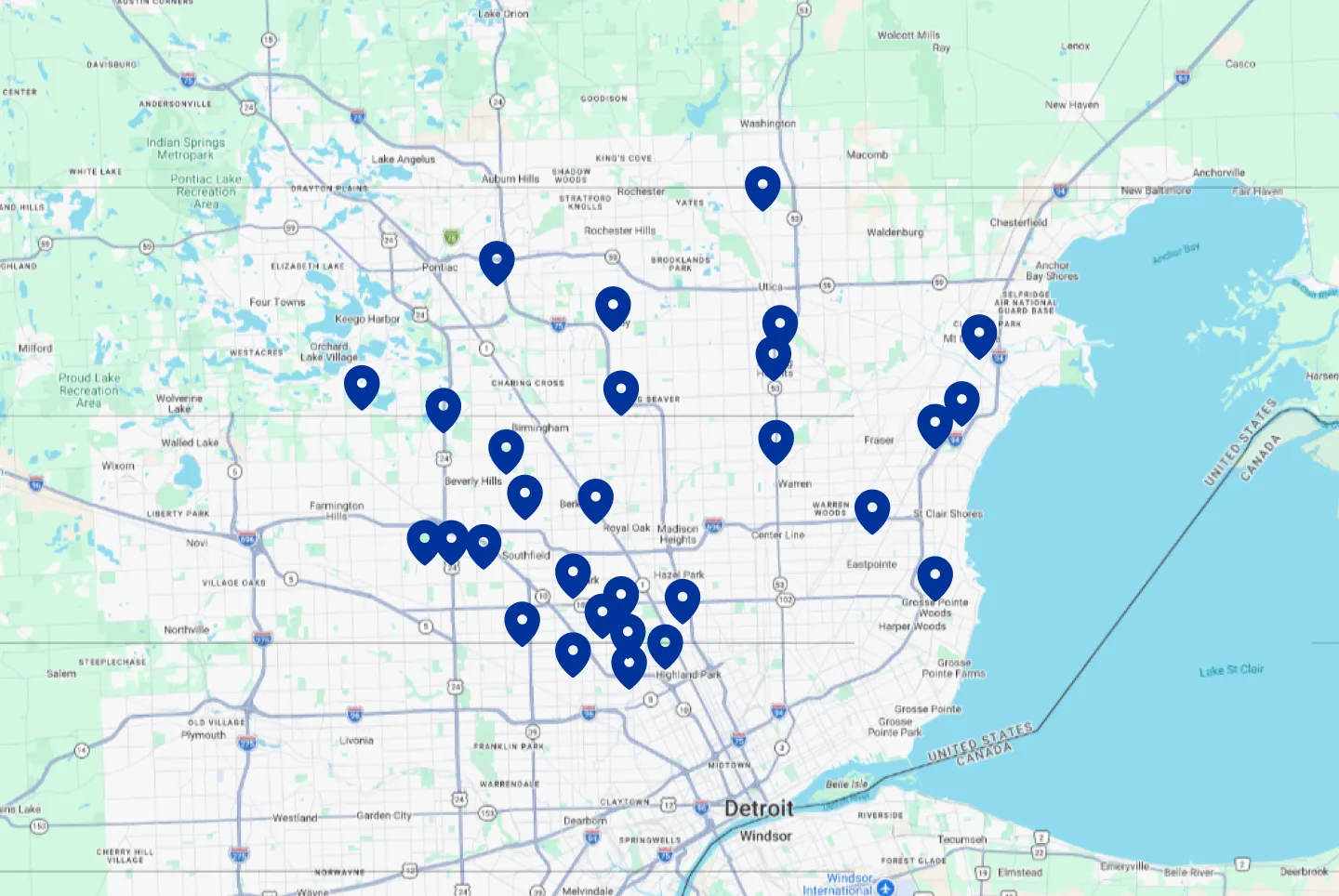
At Blue Heron Electrical, we specialize in providing dependable, safe, and code-compliant electrical services across Metro Detroit and Oakland County. Whether you are located in Troy, Sterling Heights, Royal Oak, Birmingham, or need a professional EV Charger Installation in Bloomfield MI, our team of licensed electricians will handle the entire process for you—from initial load calculations and pulling the municipal permits to the final professional installation and inspection.
Ready to charge safely and reliably? Reach out to us today to schedule your home EV charger assessment!
Customer Testimonials

Service Areas