
Ultimate Checklist for Michigan Storm Damage Prevention
Why Michigan's Seasonal Weather Puts Your Home's Electrical System at Risk
How Michigan winters and summer storms stress home electrical systems in Metro Detroit is something every local homeowner eventually experiences — whether it's a tripped breaker during a January cold snap, a fried appliance after a July lightning strike, or a days-long outage that leaves your basement sump pump dead in the water.
Michigan's climate is genuinely punishing. Metro Detroit sits in a region where winter temperatures can plunge well below freezing, ice storms knock out power for hundreds of thousands of residents, and summer thunderstorms roll in fast and hard. The electrical grid serving the area has historically ranked among the least reliable in the country, with customers experiencing roughly three times more outages per year than those in comparable states like Minnesota.
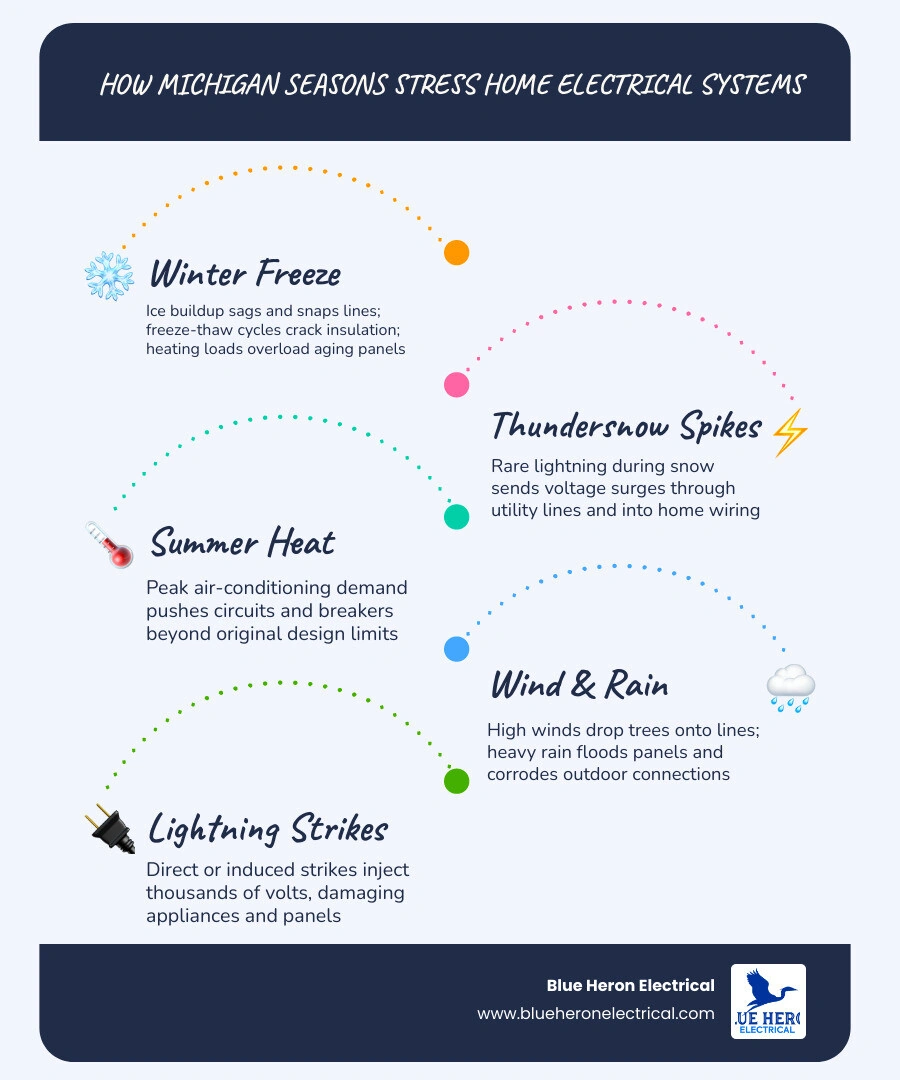
Here's a quick breakdown of how each season attacks your home's electrical system:
Winter Threats:
- Ice and snow add weight to overhead power lines, causing them to sag and snap
- Freeze-thaw cycles cause wiring insulation to crack and electrical connections to loosen
- Increased demand from furnaces, space heaters, and holiday lighting pushes aging panels past their limits
- Thundersnow events can send lightning-induced voltage spikes through the grid
Summer Threats:
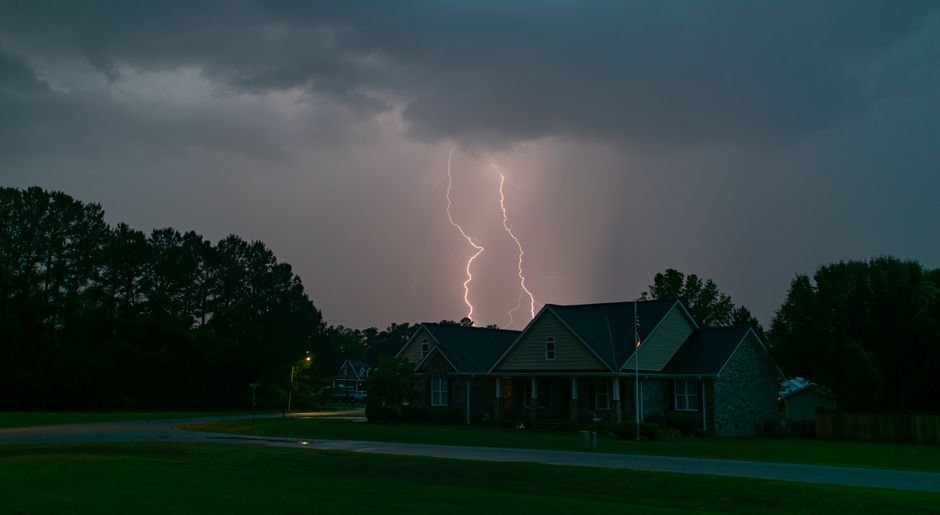
- Lightning strikes inject thousands of volts into utility lines and directly into homes
- High winds — increasingly common and powerful in recent years — bring trees down on lines
- Heavy rain and flooding introduce moisture into panels, outlets, and buried wiring
- Peak air conditioning demand strains circuits and breakers that were never designed for today's electrical loads
The good news is that DTE Energy has made measurable progress, reporting 49% fewer outages and 83% shorter outage times compared to 2023, driven by a $1.7 billion grid investment in 2025 alone. But even with a more reliable grid, the stress that seasonal weather puts on the wiring, panels, and devices inside your home is something only you can address.
The sections below walk through exactly what's happening to your system, what warning signs to watch for, and what upgrades make the biggest difference.
How Michigan Winters and Summer Storms Stress Home Electrical Systems in Metro Detroit
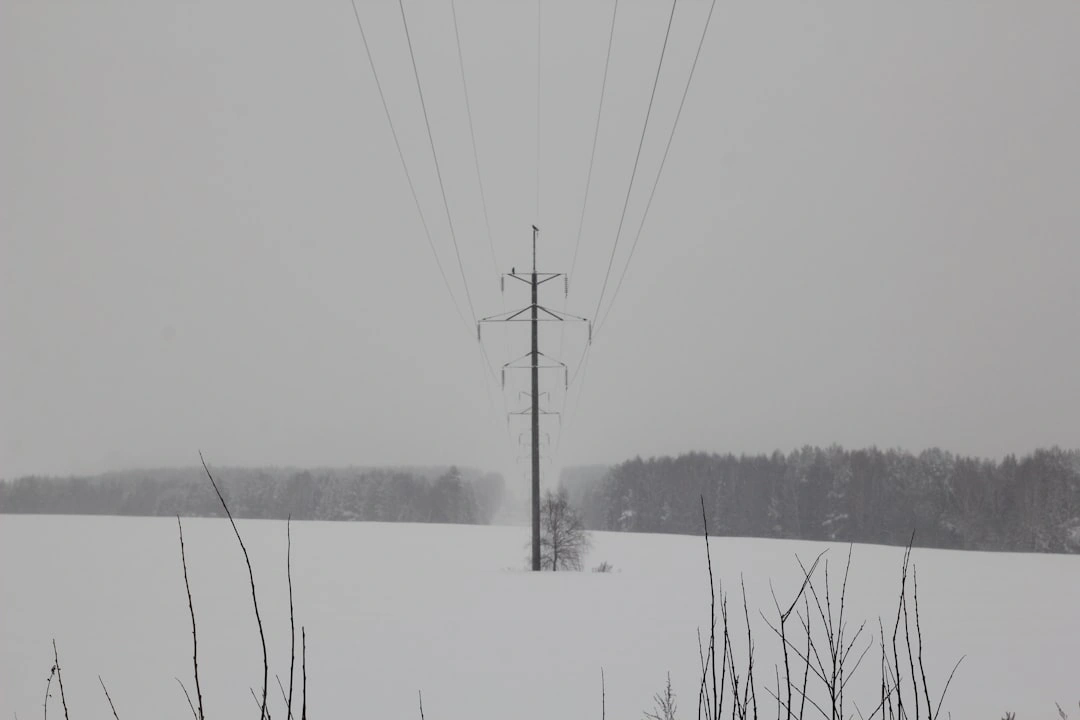
To truly understand how seasonal weather threatens your home, we have to look at the physical toll these extreme temperature swings take on electrical materials. Electricity is simply the movement of electrons pushed by voltage. For that movement to happen safely, the pathways (your home's wiring) must remain intact, insulated, and tightly connected.
Unfortunately, Metro Detroit’s climate is a masterclass in thermal expansion, contraction, and mechanical stress. Whether you live in an older home in Royal Oak or a newer build in Macomb, seasonal weather is constantly working to degrade your Electrical Panel Services and internal wiring.
How Michigan Winters and Summer Storms Stress Home Electrical Systems in Metro Detroit: The Winter Freeze
When the deep freeze of a Michigan January hits, the physical components of your home's electrical system undergo intense physical changes. Cold temperatures cause metal wiring and terminal connections to contract. When the weather warms up slightly, or when high current flows through the wires, they expand.
This constant expansion and contraction cycle behaves like a slow-motion wrench, gradually loosening the terminal screws holding wires in place inside your electrical panel, outlets, and switches. Loose connections create electrical resistance, which generates localized heat—a leading cause of residential electrical fires.
Furthermore, freezing temperatures make older plastic and rubber wiring insulation incredibly brittle. In historic Metro Detroit communities like Ferndale, Berkley, and Birmingham, many homes still have older wiring. When this brittle insulation cracks under the stress of winter temperature drops, live copper wires can become exposed, leading to short circuits, ground faults, and safety hazards. If you are noticing these issues, it is highly beneficial to learn When to Upgrade Wiring in an Older Home and What to Expect to prevent localized failures.
On top of internal stress, winter storms introduce external physical threats:
- Ice Accumulation: Just a quarter-inch of ice accumulation can add hundreds of pounds of weight to overhead utility service drops (the lines running from the utility pole to your home’s weatherhead). This weight can yank the weatherhead right off your house, tearing away your electrical service.
- Sump Pump and Pipe Freeze-ups: If a winter power outage occurs, your heating system shuts down. If water pipes freeze and burst, or if your sump pump line freezes and backs up, moisture can quickly find its way into basement-mounted electrical panels or lower-level outlets.
How Michigan Winters and Summer Storms Stress Home Electrical Systems in Metro Detroit: The Summer Heat and Storms
As winter fades, summer brings a completely different set of electrical hazards. The combination of intense heat waves and violent thunderstorms presents a double-whammy of grid strain and physical damage.
First, let's talk about heat and grid strain. When temperatures soar into the 90s in places like Troy and Sterling Heights, air conditioning units across the region run continuously. This massive collective demand strains both the utility grid and your home’s electrical panel.
Electrical transmission operates less efficiently at higher ambient temperatures. As wires get hotter, their electrical resistance increases, meaning your system has to work harder and run hotter just to deliver the same amount of power. If your home has marginal or outdated wiring, this peak summer AC demand will quickly expose those weaknesses, often manifesting as buzzing breakers, hot outlets, or a completely fried system. In severe cases, a Whole House Rewiring Troy MI is the only safe way to restore reliable power.
Second, summer storms bring lightning, high winds, and torrential rain:
- Lightning Strikes: A single direct or nearby lightning strike can inject millions of volts into local power lines. This massive voltage surge travels instantly into your home, seeking any path to the ground. It easily bypasses standard power strips, instantly melting delicate microprocessors in your refrigerator, HVAC system, smart home devices, and televisions.
- High Winds and Falling Trees: Trees are the leading cause of power outages in Metro Detroit, accounting for roughly half of all interruptions. High winds push branches—and sometimes entire silver maples—onto power lines. When these lines snap or touch, they create massive voltage fluctuations and physical damage to the utility equipment feeding your home.
- Moisture Intrusion: Heavy rain driven by high winds can force water into outdoor outlets, exterior lighting fixtures, and even down inside your utility meter box, leading to rapid corrosion and short circuits.
Common Electrical Problems Caused by Extreme Weather
When extreme weather strikes Metro Detroit, the resulting electrical issues can range from minor annoyances to catastrophic failures. Understanding these common problems can help you identify when it is time to call in our team of professionals.
Power Surges (Large and Small)
While lightning strikes cause the most dramatic surges, they are not the only culprit. "Restoration surges" are incredibly common. When DTE restores power after an outage, a massive rush of electricity floods back into the local grid. If your home is not protected, this sudden spike can instantly fry your furnace’s electronic control board, your refrigerator compressor, and any plugged-in electronics.
Additionally, micro-surges occur daily inside your home when high-draw appliances like your AC compressor or sump pump cycle on and off. Over time, these small surges degrade the delicate circuit boards in your modern appliances, leading to premature failure.
Tripped Breakers and Overloaded Panels
During heat waves or deep winter freezes, your electrical panel is pushed to its capacity. If you run multiple space heaters in the winter to supplement a struggling furnace, or if your AC is working overtime in July, you may experience frequent breaker trips.
This is your panel's safety mechanism telling you that the circuit is overloaded. Ignoring this warning or continually resetting a breaker without addressing the underlying load issue can damage the breaker itself or melt the insulation on the wires behind your walls. If you are experiencing this, it is crucial to check the Signs Your Electrical Panel Is No Longer Safe for Modern Power Needs to avoid an electrical emergency.
Damaged Panels and Corrosion
Moisture is the ultimate enemy of electricity. In Southeast Michigan, many older homes have electrical panels located in damp basements, garages, or utility closets.
During heavy summer rains or rapid winter snow melts, high humidity and water seepage can introduce moisture to the panel. This leads to rust and corrosion on the bus bars (the metal strips that distribute power to your breakers) and the breaker connections. Corroded connections resist the flow of electricity, generating dangerous levels of heat and preventing breakers from tripping when they are supposed to.
Vulnerabilities of Aging Infrastructure in Metro Detroit Homes
Older neighborhoods across Metro Detroit—from the historic streets of Royal Oak and Huntington Woods to established sectors of Southfield and Saint Clair Shores—boast incredible architectural character. However, behind those plaster walls often lies an electrical system designed for a completely different era of power consumption.
In the mid-20th century, an average home’s electrical needs were modest: a few lightbulbs, a radio, a refrigerator, and perhaps a television. Today, we power high-efficiency HVAC systems, electric vehicle chargers, hot tubs, multiple computers, smart appliances, and mobile devices. When you combine this high baseline demand with the physical stress of Michigan's weather, older systems are highly vulnerable to failure.
| Feature / Component | Outdated Electrical Systems (Pre-1990s) | Modern Electrical Systems (2026 Standards) | Weather Vulnerability Impact |
|---|---|---|---|
| Panel Capacity | 60A to 100A (often fuse boxes or obsolete brands) | 200A+ with dedicated circuits | High load from AC/heating during extreme weather overloads older panels, causing frequent trips or fires. |
| Wiring Material & Type | Knob-and-tube, ungrounded Romex, or aluminum wiring | Copper wiring with dedicated equipment grounding conductors | Ungrounded systems cannot safely divert storm-induced power surges to the earth, risking shock and appliance damage. |
| Surge Protection | None, or limited to cheap point-of-use power strips | Built-in whole-home surge protective devices (SPDs) | Unprotected homes face instant appliance destruction from lightning and utility restoration surges. |
| GFCI / AFCI Protection | Missing entirely in older installations | Comprehensive GFCI/AFCI protection on required circuits | Moisture from storms easily causes short circuits and electrocution hazards in unprotected older outlets. |
If your home still relies on an outdated system, you are at a much higher risk for storm-related damage. Upgrading your service is not just about convenience; it is a fundamental safety measure. Investing in Electrical Panel Upgrades Troy MI ensures your home can safely handle both modern electrical loads and the unpredictable stresses of Michigan weather.
Furthermore, electrical safety standards have adapted to address these growing weather threats. The 2026 National Electrical Code (NEC) Article 230.67 mandates that all new and upgraded residential electrical services must be equipped with a Type 1 or Type 2 Surge Protective Device (SPD). This means if you replace an old, unsafe panel today, you must install whole-home surge protection to comply with local Michigan building codes.
Proactive Solutions: Surge Protection, Generators, and Inspections
Fortunately, you do not have to sit by and wait for the next major storm to damage your home. By taking a proactive approach, you can fortify your electrical system to withstand whatever the Michigan climate throws its way.
Whole-Home Surge Protection
A whole-home surge protector is your first line of defense against utility grid switching, lightning strikes, and restoration surges. Installed directly into your main electrical panel, this device constantly monitors incoming voltage. The moment it detects an abnormal spike, it instantly diverts the excess electrical energy safely into the ground before it can enter your home's branch circuits.
If you are wondering whether this upgrade is necessary for your property, read our guide on How to Tell If Your Home Needs Whole House Surge Protection. For residents in Oakland County, our team specializes in installing code-compliant Whole Home Surge Protection Troy MI systems that safeguard your entire property.
Standby Generators
When a severe storm knocks out power, a standby generator ensures your home remains safe, warm, and dry. Unlike portable generators—which require you to run extension cords in the rain and manually refuel them with gasoline—a standby generator is permanently installed outside your home and runs on your existing natural gas or liquid propane supply.
Within seconds of a power outage, an automatic transfer switch detects the loss of utility power, starts the generator, and transfers your home’s electrical load to the generator. This keeps critical systems running seamlessly:
- Sump pumps to prevent basement flooding during heavy downpours
- Furnaces and AC units to maintain safe indoor temperatures
- Refrigerators and freezers to prevent food spoilage
- Medical equipment and home security systems
We offer comprehensive Generator Services, including professional Whole Home Generator Installation Troy MI and customized options for a Whole Home Generator Troy MI to keep your family safe through any outage.
Regular Electrical Inspections
The absolute best way to prevent storm damage is to find and fix vulnerabilities before the weather turns. A professional electrical inspection from our licensed team includes:
- Checking your electrical panel for signs of corrosion, moisture intrusion, or loose connections.
- Testing the integrity of your home's grounding system (an inadequate ground rendering surge protectors useless).
- Inspecting outdoor receptacles, weatherheads, and service lines for physical wear.
- Reviewing your overall electrical load to ensure your system is not running dangerously close to its limit.
DTE Energy Grid Upgrades and What They Mean for Homeowners
As a Metro Detroit resident, your home's electrical health is directly tied to the performance of DTE Energy, which serves approximately 2.3 million electric customers in Southeast Michigan. Historically, Michigan’s grid has faced significant criticism, consistently ranking in the bottom quarter nationally for outage frequency and restoration times.
However, major utility investments are beginning to show real-world results. In 2025 alone, DTE invested $1.7 billion to upgrade equipment, rebuild aging portions of the grid, and modernize local substations.
Key initiatives driving these improvements include:
- Aggressive Tree Trimming: Trees remain the leading cause of power outages. To combat this, DTE trimmed 350 miles of trees in Detroit in 2025 and has trimmed another 150 miles so far in 2026. This builds on massive tree-trimming surges over the last several years.
- Smart Grid Devices: In 2024, the deployment of smart grid devices and automatic reclosers helped Southeast Michigan customers avoid nearly 10,000 outages and 4 million minutes of power interruption. These devices can automatically reroute power around damaged areas, keeping the lights on for thousands of homes even if a tree falls nearby.
- Measurable Results: Thanks to these upgrades, Metro Detroit customers have seen 49% fewer outages and an 83% reduction in outage duration compared to 2023. During a major windstorm earlier in 2026, DTE experienced 60% fewer overall outages and successfully restored 99% of affected customers within 48 hours.
While these grid upgrades are highly promising, they also mean that when power does go out, the automated grid switching and rapid restoration can create frequent voltage fluctuations. This makes having robust local surge protection at your home panel more important than ever.
Additionally, if you do experience an extended outage, DTE offers automatic bill credits for qualifying service interruptions, helping offset some of the inconvenience.
Frequently Asked Questions About Seasonal Electrical Stress
What are the warning signs that my electrical system is struggling during extreme weather?
Keep a close eye on how your home behaves during severe hot or cold spells. The most common warning signs of a struggling system include:
- Flickering or Dimming Lights: This often indicates a sudden voltage drop, which can occur when your AC compressor or furnace fan cycles on, or when the external grid is under heavy load.
- Buzzing or Crackling Sounds: Any noise coming from your electrical panel, outlets, or switches is a major warning sign of loose connections or arcing wires.
- Warm Outlets or Panel Covers: If an outlet, switch plate, or your main electrical panel feels warm to the touch, it means electrical resistance is generating dangerous heat.
- Frequent Breaker Trips: If a particular circuit breaker trips repeatedly when you run seasonal appliances, the circuit is overloaded and poses a fire hazard.
Do I still need point-of-use power strips if I have whole-home surge protection?
Yes, absolutely. The most effective surge protection strategy uses a "layered" approach:
- Type 1 or Type 2 Whole-Home Surge Protectors: Installed at your main panel, these handle the massive external surges from lightning strikes, utility grid switching, and restoration surges.
- Type 3 Point-of-Use Power Strips: Plugged into individual outlets, these protect highly sensitive electronics (like computers, gaming consoles, and smart TVs) from the smaller, daily micro-surges generated inside your home by appliances cycling on and off.
Using both ensures that any residual voltage that makes it past your main panel is safely dissipated before reaching your most expensive devices.
How does the 2026 NEC impact my planned electrical upgrades?
The 2026 National Electrical Code (NEC) Article 230.67 requires that all new or upgraded residential electrical services must be equipped with a dedicated surge protective device (SPD).
If you are planning an electrical panel upgrade in Auburn Hills, Royal Oak, or any surrounding Metro Detroit community, your project must include the installation of a code-compliant whole-home surge protector to pass local municipal inspections. This code requirement is designed to protect your home's modern appliances and smart devices from the increasing frequency of weather-related grid surges.
Conclusion
From the freezing weight of winter ice to the high-voltage chaos of summer thunderstorms, Metro Detroit's climate puts incredible, non-stop stress on your home's electrical system. While DTE Energy continues to make massive strides in modernizing the regional grid, protecting the wiring, panels, and appliances inside your home is ultimately your responsibility.
At Blue Heron Electrical, we are dedicated to providing dependable, code-compliant electrical work with clear communication, safety, and long-term reliability. Whether you need a comprehensive safety inspection, an electrical panel upgrade to handle modern loads, or the installation of a whole-home standby generator and surge protection system, our team is here to help.
Don't wait for the next severe storm to test the limits of your home's wiring. Contact us today to schedule your professional Electrical Services and ensure your family stays safe and powered through every Michigan season.
Customer Testimonials

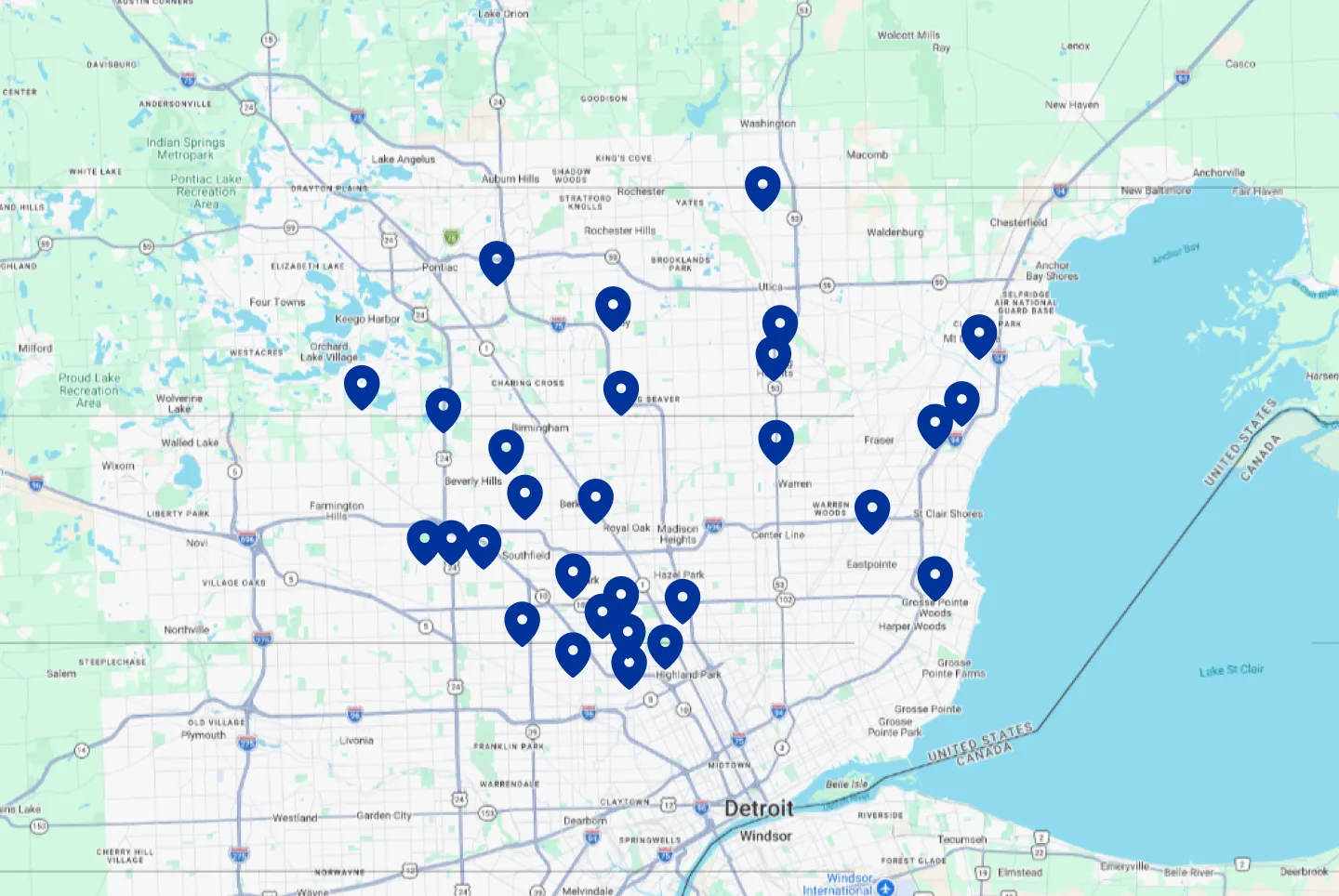
Service Areas