
Beginner's Guide to Home EV Charger Installation in Metro Detroit
Home EV Charger Installation in Metro Detroit: What You Need to Know Before You Start
Understanding how does home EV charger installation work in Metro Detroit starts with one simple truth: most homeowners can get a faster, more reliable charger installed in a single day — if they know what to expect going in.
Here's a quick overview of how the process works:
- Site assessment — A licensed electrician evaluates your electrical panel, available circuits, and the best mounting location for your charger.
- Load calculation — The electrician confirms your home's electrical system can safely handle the added demand of a Level 2 charger.
- Permit acquisition — Your electrician pulls the required permit from your local municipality before any work begins.
- Wiring and installation — A dedicated 240V circuit is run from your panel to the charger location, and the unit is mounted and wired in.
- Inspection and activation — A city inspector signs off on the work, and your charger is tested and ready to use.
For most Metro Detroit homeowners, the jump from a basic Level 1 outlet (which can take 20+ hours for a full charge) to a Level 2 charger (4–8 hours) is the single biggest upgrade they can make for daily EV ownership. Think of it like finally having your own gas pump at home — minus the line, the rain, and the markup.
The process is straightforward, but there are local factors — aging electrical panels, Michigan winters, municipal permit requirements — that matter a lot and are easy to overlook.
Understanding How Does Home EV Charger Installation Work in Metro Detroit
To understand the mechanics of home EV charging, we must first look at the difference between what comes in the box with your car and what you actually need for practical daily driving.
When you purchase an electric vehicle, it typically comes with a Level 1 charging cable. This cable plugs directly into a standard 120-volt household outlet—the same outlet you use to plug in a toaster or charge your phone. While Level 1 charging is universally accessible, it is incredibly slow. It only adds about 3 to 5 miles of range per hour of charging. If you have a long commute from Macomb to Southfield, or if you simply want the peace of mind that comes with a rapidly replenished battery, relying on a Level 1 charger will quickly lead to range anxiety.
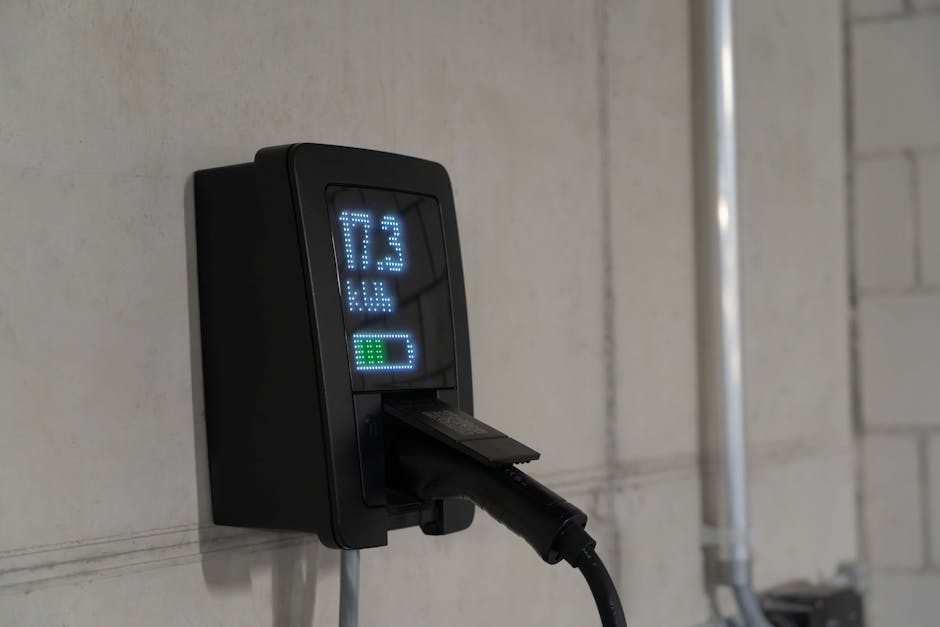
This is why the vast majority of local drivers choose to install a Level 2 charger. A Level 2 charging station operates on a dedicated 240-volt circuit, which is the same heavy-duty voltage used by electric clothes dryers, central air conditioners, and kitchen ranges. By stepping up to 240 volts, a Level 2 charger can deliver between 10 and 60 miles of range per hour of charging, depending on the amperage of the station and your vehicle's acceptance rate. For most vehicles, this means going from empty to a full charge in roughly 4 to 8 hours.
To make this transition, your home must be equipped with a dedicated 240V circuit running directly from your main electrical breaker panel to your chosen charging location. This is not a project where you can simply use an extension cord or tap into an existing garage outlet. It requires a precise, code-compliant installation to handle the continuous, high-amperage draw that electric vehicles demand over several hours. To learn more about why making this upgrade is one of the smartest moves you can make for your property, read our guide on The Benefits of Installing an EV Charger at Home.
How does home ev charger installation work in metro detroit for older homes?
One of the most common challenges we encounter across Southeast Michigan is integrating modern, high-draw EV chargers into older homes. Metro Detroit is famous for its beautiful, historic neighborhoods. From the classic bungalows of Royal Oak and Ferndale to the sprawling mid-century estates in Bloomfield Hills, many of our local properties were built long before the era of modern electric appliances, smart home technology, and electric vehicles.
The heart of the issue lies in your home's electrical panel capacity. Many historic or older homes in the area still operate on a 100-amp electrical panel. A 100-amp panel was perfectly adequate in the 1950s or 1960s, but today, when you combine a central air conditioner, an electric dryer, an electric stove, and then attempt to add a 40-amp or 50-amp Level 2 EV charger, you run a very high risk of overloading your system.
Before we can install a Level 2 charger, we must perform a detailed load calculation. This calculation takes into account the square footage of your home and the electrical draw of all your existing appliances. If the math shows that your current system is at or near its limit, you will need to upgrade your electrical capacity.
For many older homes, this means upgrading from a 100-amp panel to a modern 200-amp panel. This upgrade ensures that your home can safely support your new EV charger alongside all of your daily household appliances without tripping breakers or creating safety hazards. If you suspect your home's electrical system is outdated, you can learn more about how we handle these essential updates by visiting our pages on Electrical Panel Services in Royal Oak MI and Electrical Panel Upgrades in Royal Oak MI.
How does home ev charger installation work in metro detroit regarding permits and codes?
In Metro Detroit, electrical work is strictly regulated to protect homeowners from electrical fires, equipment damage, and code violations. Every municipality—whether you live in Troy, Sterling Heights, Birmingham, or Clinton Township—has its own building department that enforces the National Electrical Code (NEC) alongside specific local ordinances.
When installing a Level 2 EV charger, pulling a permit is not optional; it is a legal requirement. A professional installation involves filing the correct paperwork with your local building department, detailing the scope of the electrical work, the size of the new breaker, the wire gauge being used, and the specifications of the charger itself.
Once the installation is complete, a municipal electrical inspector must visit your property to review the work. The inspector verifies that the wiring is properly sized, the circuit is correctly grounded, the connections are secure, and the installation complies with all relevant safety standards.
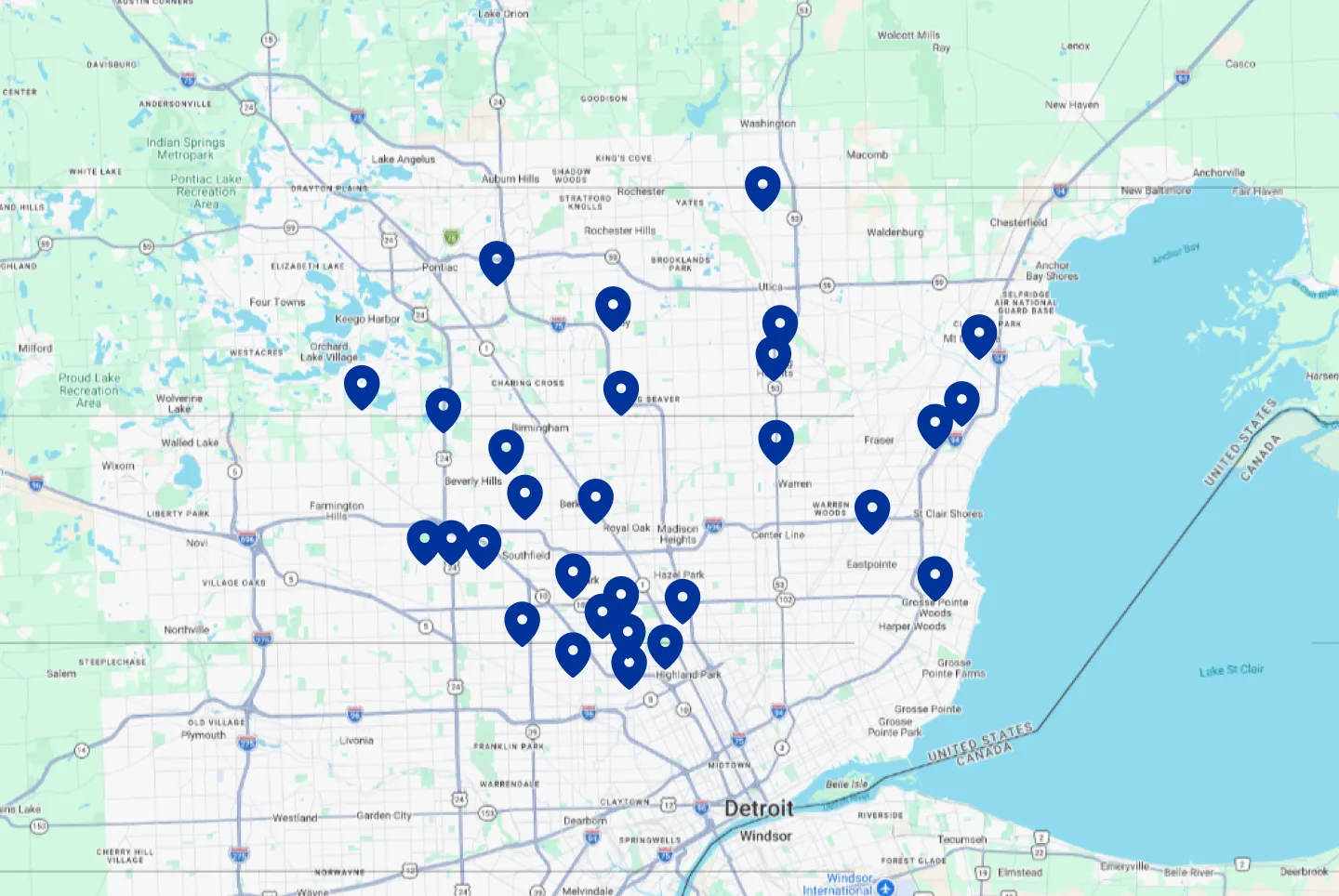
Skipping this step to save time or bypass official channels can have severe consequences. Unpermitted electrical work can void your manufacturer’s warranty on both your charger and your vehicle. Even worse, if an unpermitted electrical installation causes a fire, your homeowner's insurance policy may deny your claim. Working with a professional team that handles the entire permitting and inspection process on your behalf is the only way to ensure your system is legal, safe, and fully insured. You can explore our wide range of code-compliant solutions on our Electrical Services page and verify if we service your municipality by checking our Service Areas list.
Key Factors and Step-by-Step Installation Process
Several physical and environmental factors dictate how complex your home EV charger installation will be. No two homes are identical, and understanding these variables ahead of time will help you choose the best setup for your property.
- Distance from the Panel to the Charger: The closer your charger is to your main electrical panel, the simpler the installation will be. Running heavy-duty conduit and wire across a finished basement, through crawlspaces, or around the exterior of a home adds complexity to the project.
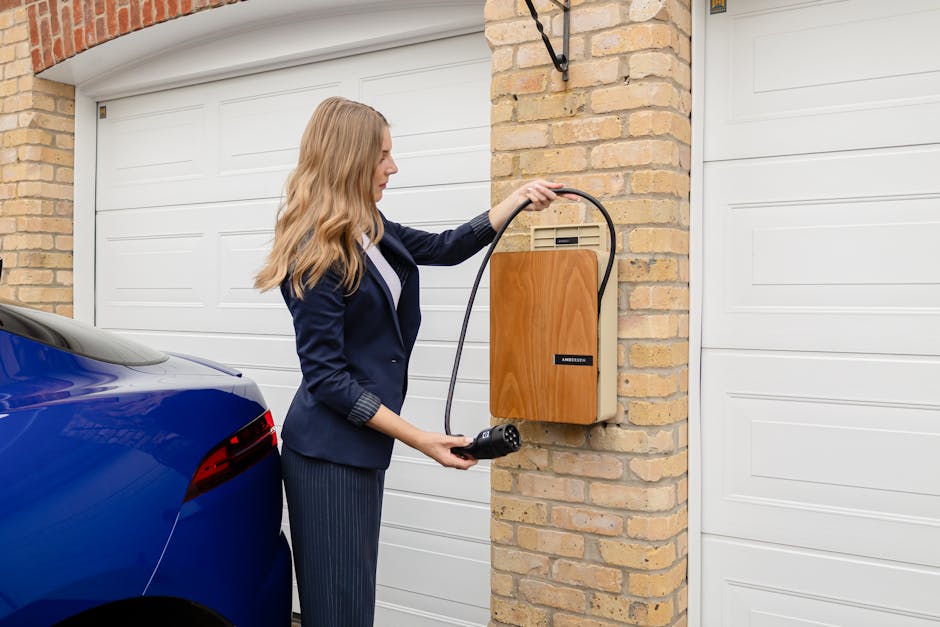
- Indoor vs. Outdoor Mounting: Installing a charger inside a garage is highly popular, but if you do not have a garage, or if your garage is detached, we can mount your charger on an exterior wall or a dedicated pedestal near your driveway.
- Michigan Winter Weather: Our local climate experiences extreme temperature swings, heavy snow, and ice storms. If your charger is installed outdoors, it must be rated for all-weather durability. We highly recommend using chargers with NEMA 4 or NEMA 3R weatherproof ratings, which are designed to withstand freezing rain, snow, and extreme cold without failing.
- Electrical Surges: With intense summer storms and winter ice comes the risk of utility power surges. Because an EV charger represents a significant investment, protecting it—and your vehicle's sensitive onboard computer—is highly recommended. Installing robust surge mitigation is an excellent way to safeguard your entire home. For more information on protecting your valuable electronics, see our page on Whole Home Surge Protection in Royal Oak MI.
The Professional Installation Steps
When you hire a licensed professional to manage your installation, the process follows a structured, safety-first workflow to ensure perfect execution from start to finish. Here is what you can expect on installation day:
- Comprehensive Site Evaluation & Load Calculation: We begin by physically inspecting your main electrical panel, measuring the distance to your desired charging spot, and calculating your home's current electrical load to ensure safety.
- Permit Filing: We handle all the administrative legwork, submitting detailed plans to your local Metro Detroit municipal office to secure the necessary electrical permit.
- Electrical Preparation: We shut down the power safely to install a new, dedicated double-pole breaker in your main panel. We then run heavy-gauge, highly insulated copper wire through protective conduit from the panel to your charger's designated location.
- Mounting and Hardware Connection: We securely mount the charging station to your garage wall, exterior brick, or mounting post. The electrical supply lines are then wired directly into the unit, ensuring all connections are torqued to exact manufacturer specifications.
- Testing and Homeowner Walkthrough: We restore power, run a series of diagnostic tests to confirm proper grounding and voltage delivery, and then walk you through your new charger's features, including how to schedule charging to save on utility bills.
To learn more about how we handle residential projects with a focus on safety and reliability, please visit our Residential Electrical service page.
Michigan Utility Rebates and Incentives in 2026
One of the best parts of installing a home EV charger in June 2026 is the wide array of financial incentives, rebates, and tax credits available to local homeowners. These programs are designed to make transitioning to electric driving highly affordable, but many of them require professional installation by a licensed electrician to qualify.
Federal Tax Credits (30C)
Under the Federal Alternative Fuel Vehicle Refueling Property Credit (Section 30C), eligible homeowners can claim a tax credit for a percentage of the total cost of their charging hardware and installation. This credit is capped at a maximum value of $1,000. It is important to note that this specific credit program is scheduled to run through June 30, 2026, making the current season the perfect time to finalize your installation plans.
DTE Energy Incentives
For residents in our service areas who receive their electricity from DTE Energy, there are excellent residential rebate programs available. DTE offers substantial rebates for residential Level 2 EV charger installations, provided the charger is an eligible, ENERGY STAR-certified smart model. Additionally, DTE provides specialized Time-of-Use (TOU) rate structures. By enrolling in a TOU plan, you can schedule your vehicle to charge overnight—typically between 11 PM and 6 AM—when overall electrical demand is low. This allows you to charge your vehicle at a fraction of the cost of daytime electricity.
Consumers Energy Programs
If you live in a portion of Metro Detroit serviced by Consumers Energy, you can take advantage of their residential EV programs. Consumers Energy offers rebates for Level 2 charger installations, with enhanced rebate amounts available for income-qualified customers. They also offer monthly bill credits for customers who commit to charging during off-peak hours, helping you save money month after month.
To ensure you select a qualifying smart charger and receive the necessary documentation to claim these valuable rebates, it is best to partner with an experienced local electrical team. If you are located in Oakland County, you can learn more about our local services by visiting our page on EV Charger Installation in Troy MI.
Frequently Asked Questions About Metro Detroit EV Charging
Navigating electric vehicles can bring up plenty of questions. Below, we have compiled answers to some of the most common questions we hear from Metro Detroit homeowners.
Can I install a Level 2 EV charger myself?
We strongly advise against attempting a DIY installation for a Level 2 EV charger. While there are plenty of home improvement projects that are great for a weekend DIY enthusiast, high-voltage electrical work is not one of them.
Installing a Level 2 charger requires running a 240-volt circuit carrying up to 50 amps of continuous electrical current. If a connection is loose, if the wire gauge is undersized, or if the system is not properly grounded, it can lead to devastating electrical fires, severe shock hazards, or permanent damage to your vehicle's battery. Furthermore, most local municipalities require a licensed electrical contractor to pull the necessary permits and sign off on the work. Attempting a DIY install can void your charger’s warranty, violate local building codes, and cause issues with your homeowner's insurance. For safe, professional, and code-compliant installation in Oakland County, explore our EV Charger Installation in Royal Oak MI page.
How long does the home installation process take?
For a standard home, the physical installation of a Level 2 EV charger is surprisingly fast. Most installations are completed in a single day, typically taking between 3 and 6 hours.
The exact timeline depends on the complexity of the run from your electrical panel to the charger location, and whether your home requires an electrical panel upgrade first. Once the physical installation is complete, we will schedule the final inspection with your local building department. Municipal inspections are usually completed within 48 to 72 hours of the installation, depending on the city’s availability. If you want a seamless, fast installation experience in the Birmingham area, check out our dedicated page for EV Charger Installation in Birmingham MI.
What is the best location for my home charger?
The ideal location for your home EV charger depends on where you park your car and where the charging port is located on your specific vehicle.
- Garages: If you have an attached or detached garage, mounting the charger on an interior wall near the garage door is highly popular. This keeps the charger protected from the elements and allows you to easily plug in your vehicle whether you park inside or right outside in the driveway.
- Driveways and Carports: If you do not have a garage, we can safely install a weatherproof, NEMA-rated charger on an exterior brick wall or a dedicated pedestal next to your driveway.
- Michigan Winters: When planning an outdoor installation, we must consider snow accumulation and ice. We always recommend mounting outdoor chargers at a height that remains easily accessible even after a heavy Michigan snowstorm, and ensuring the cable can be coiled safely off the ground to prevent it from freezing into ice banks.
If you are looking to set up an outdoor or indoor charging station in Macomb County, you can find more information about our local expertise on our EV Charger Installation in Sterling Heights MI page.
Conclusion
Installing a home EV charger is one of the most rewarding upgrades you can make as an electric vehicle owner. It eliminates range anxiety, saves you money by letting you charge during cheap off-peak hours, and adds immediate, tangible resale value to your home.
At Blue Heron Electrical, we are dedicated to providing the safest, most reliable, and fully code-compliant EV charger installations across Metro Detroit. Our team handles every single detail of the process—from performing precise electrical load calculations and upgrading older panels to pulling municipal permits and helping you navigate local utility rebates. We pride ourselves on clear communication, dependable craftsmanship, and long-term safety.
Ready to wake up to a fully charged battery every single day? Let us handle the heavy lifting. Contact us today to schedule your professional home evaluation, or visit our page on EV Charger Installation in Bloomfield MI to get started on your home charging upgrade!
Customer Testimonials

Service Areas