
When to Call a 24/7 Electrician: Essential Fall Electrical Maintenance Checks

Is Your Home Ready for Winter Electrical Loads?
Are the circuits in your home truly prepared for the sudden, sustained power draw of winter heating, or is your seasonal home maintenance checklist missing its most critical component? Many homeowners focus heavily on cleaning gutters, sealing drafty windows, and replacing furnace filters before the cold weather sets in. While those tasks matter, the electrical system is often dangerously overlooked. Preparing older residential electrical systems for the heavy, overlapping load of winter space heaters, heavy holiday lighting, and indoor heating appliances is a massive priority for anyone living in Sterling Heights MI.
If you spent last winter dealing with persistent tripped breakers, you are already facing a major decision point. You need to figure out if those annoying power interruptions require a dedicated circuit addition, a full panel upgrade, or just better household load management before the freezing temperatures arrive. Recognizing the early warning signs of an overloaded system can prevent the need for an emergency service call in the middle of a freezing night. If you are tired of resetting breakers in the dark, our team provides comprehensive residential electrical services to keep your home safe all season long.
The reality of aging systems: Older homes were simply not designed to handle the electrical demands of modern winter living. A home built decades ago might have a 100-amp panel, while today's standard is often 200 amps or more. When you add high-draw appliances to an older panel, the system struggles to keep up, leading to heat buildup and potential safety hazards.
Assessing Your Electrical Panel Capacity Before the Freeze
Dropping temperatures and early sunsets create a unique perfect storm for your home's electrical panel. As the days get shorter, you turn on the interior and exterior lights earlier in the evening. At the exact same time, the temperature drops, prompting your heating system to kick on, along with supplemental space heaters and electric blankets. This overlap creates a massive peak electrical demand that stresses aging panels to their absolute limits.
Mid-fall / Pre-winter October is the optimal time to test your heating circuits and holiday lighting loads. Waiting until the first major freeze means you will be testing your system when you rely on it the most. By assessing your capacity early, you give yourself a buffer to make necessary electrical panel changes without the stress of an active winter storm raging outside.
It is highly important to understand the difference between a simple nuisance breaker trip and a dangerous electrical fault. A nuisance trip happens occasionally when you run the vacuum and the microwave at the same time. A dangerous fault happens when a breaker trips repeatedly under normal winter loads, refuses to reset, or feels hot to the touch. These are signs that professional intervention is required immediately.
What Causes a Panel to Overload in Winter?
Winter overloads rarely happen because of a single appliance. They are almost always the result of simultaneous, sustained high-amperage draws. Here is what typically pushes a panel over the edge:
• Simultaneous heavy usage: Running space heaters in multiple bedrooms, using electric blankets, and turning on increased indoor and holiday lighting all at once.
• Aging breakers: Over time, breakers can lose their sensitivity. They might trip too easily, or worse, they might fail to trip when overloaded, allowing the wires to overheat.
• Continuous loads: Unlike a toaster that runs for three minutes, a space heater runs for hours. This continuous draw generates sustained heat in the wiring and the panel.
Warning Signs of Overloaded Circuits: When Minor Nuisances Become Dangerous
An overloaded circuit does not always immediately trip a breaker. Sometimes, the system struggles quietly, creating a severe fire hazard behind your walls. Knowing the specific red flags that indicate a dangerous overload is the best way to protect your home in Sterling Heights MI.
Visual and auditory warning signs are your first line of defense. If you notice flickering lights when a major appliance turns on, buzzing sounds coming directly from the breaker box, or sparking outlets when you plug something in, your system is crying out for help. A burning plastic smell near an outlet, switch, or the main panel is an immediate red flag. That smell usually means wire insulation is actively melting, which requires a rapid response.
National Fire Protection Association (NFPA) data clearly shows that heating equipment is a leading cause of home fires. Ignoring these warning signs is a massive gamble. These symptoms indicate a severe hazard, not a weekend DIY fix. Licensed, reliable local professionals prioritize safety and offer rapid response times for these exact dangerous electrical faults. If you smell burning plastic or see sparks, shut off the main breaker if it is safe to do so, and contact a 24/7 emergency electrician immediately.
• Flickering or dimming lights — What It Indicates: The circuit is drawing more power than it can handle, pulling voltage away from the lighting. — Immediate Action Required: Unplug heavy appliances on that circuit and monitor. If it continues, call a professional.
• Buzzing sounds from the panel — What It Indicates: A breaker is failing to trip properly, or there is a loose connection causing electrical arcing. — Immediate Action Required: Do not touch the panel. Call an emergency electrician right away.
• Burning plastic smell — What It Indicates: Wire insulation or outlet components are actively melting due to extreme heat buildup. — Immediate Action Required: Shut off power to the area immediately and call for emergency service.
• Scorched or discolored outlets — What It Indicates: Heat is escaping from loose connections or overloaded wires behind the wall plate. — Immediate Action Required: Stop using the outlet entirely and have the wiring inspected.
Why Space Heaters Keep Tripping Your Breakers
The most common winter-specific electrical issue homeowners face is the constantly tripping breaker caused by a space heater. To understand why this happens, you have to look at the mechanics of space heater loads. Most standard bedroom and living room circuits are rated for 15 amps. A typical portable space heater draws 1,500 watts of power. Doing the basic electrical math, that single heater pulls about 12.5 amps of continuous power.
That leaves only 2.5 amps of capacity for everything else on that circuit—the lights, the television, your phone charger, and the alarm clock. If you turn on a vacuum cleaner or a hair dryer while the space heater is running, you will instantly exceed the 15-amp limit, and the breaker will trip.
This is actually a good thing. You must differentiate between a breaker doing its job and a breaker that is failing. When a breaker trips because you exceeded the amperage limit, it is safely cutting the power to prevent the wires inside your walls from overheating and starting a fire. However, if you constantly reset that breaker without changing your habits, the breaker itself will eventually wear out and fail.
Never plug a space heater into an extension cord or a standard power strip. These temporary cords are rarely rated for the continuous high-amperage draw of a heater, and they can easily melt or catch fire. Better load management—like moving the heater to a less crowded circuit—is a start. But if you rely on supplemental heat every winter, having a professional install a dedicated circuit is the only safe, long-term solution before Mid-fall / Pre-winter October ends.
Is a Tripping Breaker an Emergency?
Not every tripped breaker requires a midnight phone call, but you need to know how to tell the difference.
• When it is just a load issue: If the breaker trips, you unplug the space heater, reset the breaker, and the power stays on without any further issues, you simply overloaded the circuit. Manage your plugged-in devices better.
• When it is a dangerous fault: If the breaker trips immediately with nothing plugged into the circuit, if the breaker switch feels hot to the touch, or if it makes a buzzing sound when you try to reset it, you have a serious hardware failure. Leave it off and call a professional.
Preparing for Winter Storms and Power Surges
Harsh winter weather does more than just make your house cold; it actively threatens your electrical infrastructure. Severe winter ice storms in Metro Detroit are notorious for causing significant damage. The sheer weight of ice buildup on exterior service lines, combined with dropping temperatures that make materials brittle, increases the risk of sudden electrical damage and grid fluctuations.
When heavy ice or falling branches pull on your exterior power lines, they can damage the electrical mast (the pipe that connects the overhead wires to your meter box) or the meter box itself. Additionally, when the power grid struggles during a winter storm, your home is highly vulnerable to power surges when the electricity is finally restored. These surges can instantly destroy sensitive electronics, HVAC control boards, and major appliances. This is why installing whole-home surge protection directly at the panel is a wise investment for any homeowner in Sterling Heights MI.
If a storm hits and you suspect damage to your electrical system, follow these safe steps:
1. Stay far away from downed lines: Never approach a power line that has fallen in your yard, even if it looks dead. Treat every line as live and dangerous.
2. Visually inspect the mast from a distance: Look at where the power lines connect to your home. If the metal pipe is bent, pulling away from the siding, or sparking, do not touch it.
3. Check the meter box: If the box is damaged, hanging loose, or covered in scorch marks, stay away.
4. Secure the power safely: If you see water entering your panel or smell burning near the breaker box, you need to cut the power. Learn how to safely shut off power in your home before calling an electrician so you are prepared before a crisis strikes.
Essential Electrical Checks for Winter Prep
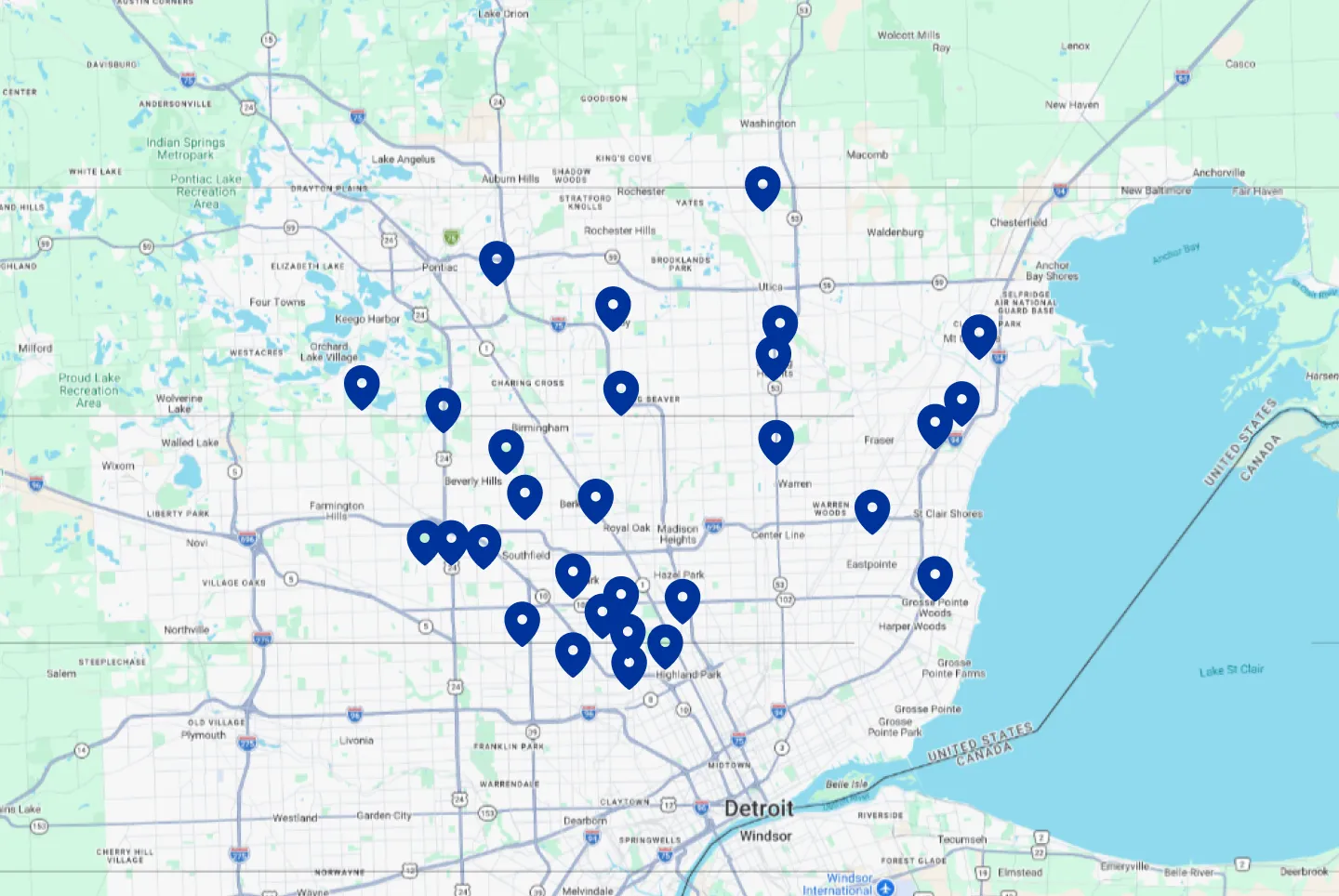
Before the heavy snow and ice arrive, take the time to inspect your home's electrical readiness. Mid-fall / Pre-winter October is the ideal window to perform these visual checks. If you find any issues during this inspection, reach out to a professional who services the Macomb County service area to resolve them before the freeze.
• Test all GFCI outlets: Ground Fault Circuit Interrupter (GFCI) outlets are designed to cut power if moisture enters the circuit. Cold weather and condensation can cause these mechanisms to stick. Press the "Test" button on all kitchen, bathroom, basement, and outdoor outlets to ensure they trip, then press "Reset" to restore power.
• Inspect outdoor weatherproof covers: Before you hang a single string of holiday lights, look at your exterior outlets. The weatherproof plastic covers must be completely intact, with no cracks or broken hinges. If moisture gets into the receptacle during an ice storm, it will short out the circuit.
• Check exposed wiring for damage: Take a flashlight into your basement, crawlspace, or attic. Look at any exposed wire runs for signs of fraying, cracking insulation, or rodent damage. Mice and squirrels often chew on wires when they seek shelter from the cold, creating massive fire risks.
• Listen for buzzing panels: Stand near your main electrical panel when several appliances are running. If you hear a faint hum or a loud buzz, a breaker is struggling to maintain the connection.
• Schedule a professional panel inspection: If your home is older, or if you experienced frequent breaker trips last season, have a licensed electrician perform a load test and tighten all internal panel connections.

Frequently Asked Questions About Winter Electrical Safety
What should be on a fall home maintenance checklist for electrical systems?
Your checklist should prioritize testing safety devices and inspecting outdoor connections. Start by testing all GFCI outlets, checking exterior outlet covers for cracks, and visually inspecting exposed wiring in the basement for rodent damage. Finally, schedule a professional panel inspection to ensure your system can handle the increased load of winter heating in Sterling Heights MI.
Why does my space heater keep tripping the breaker?
Space heaters draw a massive amount of continuous amperage that easily overwhelms standard bedroom circuits. A typical heater uses about 12.5 amps of power, leaving almost zero capacity for lights, televisions, or other devices on a 15-amp circuit. If you plug anything else in while the heater is running, the breaker will trip to prevent the wires from overheating.
When is an electrical issue considered an emergency?
An electrical issue becomes an emergency when there is an immediate risk of fire or shock. Warning signs include a burning plastic smell near outlets or the panel, buzzing sounds from the breaker box, sparking receptacles, or a breaker that feels hot to the touch. If you experience any of these, shut off the power if safe to do so and call a professional immediately.
How do I prepare my older house's electrical panel for winter?
The best preparation for an older panel is a professional load assessment before the cold weather hits. A licensed electrician can check for loose connections, test aging breakers, and determine if your current amperage capacity can safely support modern space heaters and electric blankets. You may need to add dedicated circuits for heavy winter appliances.
Can cold weather cause my circuit breakers to trip?
Cold weather itself does not usually cause indoor breakers to trip, but the behaviors associated with cold weather certainly do. Dropping temperatures lead to the simultaneous use of space heaters, electric blankets, and increased lighting, which overloads the circuit. However, extreme cold can cause outdoor GFCI receptacles to become brittle and trip unnecessarily if moisture freezes inside them.
What are the signs that I need to upgrade my electrical panel before winter?
Frequent nuisance trips, flickering lights when the furnace kicks on, and the need to constantly unplug devices to use others are clear indicators your panel is undersized. If your panel is over 25 years old, uses fuses instead of breakers, or exhibits rust and scorch marks, a full upgrade is highly recommended before the winter loads begin.
Secure Your Home's Electrical System Before Winter Hits
Understanding clear, professional warning signs is your absolute best defense against winter electrical hazards. When you know the difference between a simple overloaded circuit and a failing, dangerous panel, you can take action before a minor nuisance turns into a midnight fire risk. Mid-fall / Pre-winter October is the exact right time to evaluate your system's capacity, long before the heavy ice and freezing temperatures put your home to the test.
You do not have to spend another season relying on dangerous extension cords or constantly walking to the basement to reset a tripped breaker. Empower yourself by addressing these capacity issues now. Schedule a comprehensive inspection with a licensed local expert to ensure your panel can safely handle everything the winter throws at it.
Customer Testimonials

Service Areas