
Home Maintenance Tips and Troubleshooting: When to Call a 24/7 Electrician for Winter Outages

Is Your Home Ready for a Winter Power Outage?
Are you truly prepared for the sudden grid failures that come with severe winter weather? When searching for home maintenance tips and troubleshooting, many homeowners focus on cleaning gutters or checking furnace filters, completely overlooking the most critical aspect of winter preparation: ensuring a safe, reliable backup power connection. As temperatures drop and the threat of ice storms looms, having a plan for electrical outages becomes a matter of safety, not just convenience.
In our years of serving the local community, our team at Blue Heron Electrical has seen firsthand how harsh Michigan winter weather frequently causes power surges and widespread grid failures. Heavy ice accumulation on tree branches regularly brings down power lines, leaving entire neighborhoods in the cold. During pre-winter October, you have a brief but vital window of opportunity to prepare your home's electrical system for these inevitable disruptions. The choice you make now—investing in proper infrastructure versus relying on dangerous do-it-yourself setups—can make all the difference when a storm hits.
Ensuring your home is equipped to handle an outage without risking fire or electrocution is paramount. If you are ever in doubt about the safety of your home's electrical panel during a severe weather event, reaching out to a 24/7 emergency electrician is the best way to protect your property and your family.
Utility Grid Failures vs. True Internal Electrical Emergencies
When the lights go out during a blizzard, panic can easily set in. However, the first step in effective troubleshooting is correctly identifying the source of the outage. Is it a widespread utility grid failure, or has something gone dangerously wrong inside your home's specific electrical system? Understanding this distinction determines whether you need to wait for utility workers or immediately call for private, professional help.
A utility grid failure means the infrastructure supplying power to your street or neighborhood has been compromised. An internal electrical emergency means the power coming to your house might be fine, but your panel, wiring, or weatherhead has suffered damage. Our dispatch team often speaks with homeowners in Sterling Heights who are confused about who to call during a crisis. As a prompt, professional 24/7 emergency response provider in the area, we know from experience that accurately assessing the situation saves valuable time.
• Entire street is dark; streetlights are off. — Likely Cause: Utility grid failure or blown neighborhood transformer. — Who to Contact: Utility Provider (e.g., DTE Energy)
• Only your house is dark; neighbors have power. — Likely Cause: Tripped main breaker or damaged weatherhead. — Who to Contact: Licensed Electrician
• Visible sparks or burning smell near your breaker box. — Likely Cause: Internal short circuit or arcing failure. — Who to Contact: Emergency Electrician (Immediately)
When Do I Contact the Utility Company?
You should contact your utility provider, such as DTE Energy, for any issues involving downed power lines, damaged utility poles, or area-wide blackouts. If a tree falls and pulls down the line connecting the pole to your house, the utility company must secure the live wires. Safety warning: Never approach downed lines, attempt to move them, or try to clear debris near them. Always assume any downed wire is live and lethal.
When Should I Call an Emergency Electrician?
You should call an emergency professional if the weather causes a dedicated surge that damages your home's internal breaker panel. Sometimes, ice storms can tear the weatherhead—the entry point for power on your roof or siding—away from the house. While the utility company handles the lines coming in, a private electrician must repair the weatherhead and the panel. Furthermore, if you experience partial power loss accompanied by buzzing sounds or flickering lights while your neighbors have full power, you need comprehensive residential electrical services immediately to prevent a fire.
The Lethal Dangers of DIY Generator Hookups and Backfeeding
During prolonged winter outages, desperation often sets in. When homes get dangerously cold, some homeowners resort to extreme, unsafe measures to restore heat and light. One of the most hazardous mistakes made during these stressful times is attempting a do-it-yourself generator hookup, specifically a practice known as backfeeding.
Backfeeding is the highly dangerous and illegal practice of connecting a portable generator directly into a wall outlet, dryer receptacle, or electrical panel without a proper transfer switch. The intent is to push power backward through the home's circuits to electrify the whole house. However, the unseen risk is catastrophic. When you backfeed your home, that electricity doesn't just stay inside your walls. It travels outward through your meter and back onto the utility grid.
When this backfed electricity reaches the neighborhood transformer, the physics of the grid work in reverse. Transformers are designed to step down high-voltage utility power to the standard voltage used in your home. When power flows backward, the transformer steps up your generator's voltage to lethal, thousands-of-volts levels. This creates a deadly trap for utility linemen who are working around the clock to repair downed lines, assuming those lines are dead.
The Occupational Safety and Health Administration (OSHA) issues severe warnings regarding backfeeding hazards every winter. The risks are so high that utility companies can and will prosecute individuals whose improper generator hookups injure workers. Navigating pre-winter October preparations means making a firm commitment to safety. Any modification to your electrical panel for backup power must never be attempted as a DIY project. Understanding what electrical repairs require a licensed electrician is critical to protecting your home, your family, and the workers restoring your community's power.
Why the National Electrical Code Requires a Transfer Switch
To safely utilize a portable or standby generator to power your home's hardwired appliances—like your furnace, well pump, or refrigerator—you must follow strict legal and safety guidelines. The National Electrical Code (NEC) Article 702 mandates the use of a transfer switch or an approved interlock device for any generator connection that interfaces with a home's wiring system.
A transfer switch is a specialized electrical panel component that physically isolates your home's circuits from the utility grid before allowing generator power to flow. It operates on a "break-before-make" mechanism. This means it physically breaks the connection to the utility line before it makes the connection to the generator line. It is mechanically impossible for both sources to be connected at the same time.
• Protects the utility workers: By completely severing the tie to the grid, zero electricity can backfeed out of your home, keeping linemen safe.
• Protects your generator: When utility power is suddenly restored, a massive surge of electricity rushes back into the grid. If your generator is still connected without a transfer switch, this surge will instantly destroy your generator and potentially cause a fire.
• Protects your home's wiring: A proper switch ensures that only designated, safe loads are powered, preventing your generator from overloading your home's internal wiring.
Because installing this device requires opening the main electrical panel, exposing live bus bars, and modifying the core of your home's electrical distribution, it strictly requires a licensed professional. At Blue Heron Electrical, we regularly help homeowners in Sterling Heights schedule electrical panel upgrades in the fall specifically to integrate these necessary safety switches before the heavy snow arrives.

Identifying Immediate Fire Hazards: Buzzing Panels and Burning Smells
Extreme winter weather doesn't just cause external outages; the heavy reliance on space heaters, older furnaces, and improperly routed extension cords places immense stress on your home's internal electrical system. Knowing the warning signs of a true electrical emergency can prevent a catastrophic house fire.
During pre-winter October preparations, our electricians always advise customers to inspect their electrical panel visually and audibly. If you ever notice the scent of burning plastic, melting rubber, or a sharp, metallic ozone smell near your electrical panels or wall outlets, you are facing an immediate fire hazard. These odors usually indicate that wire insulation is melting due to excessive heat buildup from an overloaded circuit or a loose connection.
Equally dangerous is an audible buzzing, humming, or crackling sound emanating from the breaker box. Breakers should operate silently. A crackling noise indicates arcing electricity—where the electrical current is literally jumping across a gap in a loose connection, creating microscopic, intensely hot sparks. Over time, these sparks will ignite surrounding materials.
The quick action: If you detect burning smells or hear crackling from your panel, and it is safe to do so without touching exposed wires or standing in water, immediately shut off the main breaker to cut power to the entire house. Once the power is isolated, step away. These symptoms require immediate 24/7 intervention from a licensed professional, not standard business hours scheduling. Never attempt to remove the panel cover to investigate a burning smell yourself.
Safe Backup Power Connections: Why Professional Installation is Non-Negotiable
When winter storms knock out the power, the easiest—but most problematic—solution many homeowners turn to is running dozens of extension cords from a generator outside, through cracked windows or doors, to appliances inside. Relying on extension cords running through cracked windows severely compromises your home's security and insulation during the exact moment you need to retain heat the most.
Furthermore, standard extension cords are often not rated for the heavy continuous loads drawn by space heaters or refrigerators, leading to overheating and fire risks. Integrating backup power directly into a home's electrical system eliminates these messy, dangerous cords, but it is a complex, high-risk task. Your electrical panel is the beating heart of your home's infrastructure; modifying it requires an intimate knowledge of load balancing, grounding protocols, and municipal codes.
The peace of mind that comes with a professionally installed, code-compliant transfer switch is invaluable. You simply plug your generator into a dedicated outdoor inlet box, flip the switch inside, and your critical circuits are safely powered. Proper maintenance and proactive installation prevent the desperate, dangerous decisions that we too often see during an active outage. If you want to ensure your home in Sterling Heights is truly ready, consulting with a licensed electrician in Macomb or the surrounding areas is the most responsible step you can take before the snow flies.
Frequently Asked Questions About Generator Safety and Electrical Emergencies
Is it safe to plug a generator directly into a house?
No, plugging a generator directly into a wall outlet or dryer receptacle is highly dangerous and illegal in many jurisdictions. This practice, known as backfeeding, bypasses your electrical panel's safety mechanisms and pushes power out onto the utility grid. It poses a lethal electrocution risk to utility workers repairing lines and creates a severe fire hazard within your home's walls.
What is backfeeding a generator?
Backfeeding is the improper and unsafe routing of electrical power from a portable generator back into the utility grid through a home's electrical panel or a standard wall outlet. When this happens, the electricity travels outward, hitting the neighborhood transformer. The transformer then steps up the voltage to thousands of volts, creating a deadly environment for anyone working on the exterior power lines.
Do I need a transfer switch for a portable generator?
Yes, if you intend to power hardwired appliances like a furnace, well pump, or water heater, or if you want to connect the generator directly to your electrical panel, a transfer switch is legally required. The National Electrical Code mandates this equipment to ensure your home is physically disconnected from the utility grid before generator power is introduced, preventing surges and backfeeding.
When should I call an emergency electrician?
You should call an emergency electrician immediately if you detect burning plastic smells from outlets, hear buzzing or crackling noises from the breaker panel, or see visible sparking. Additionally, if you experience localized power loss in your home while your neighbors still have power, it indicates an internal failure that requires urgent professional troubleshooting to prevent a fire.
Can I install a generator transfer switch myself?
No, installing a transfer switch requires modifying the main electrical panel, exposing you to live, lethal voltage. This work must be performed by a licensed professional to ensure strict compliance with the National Electrical Code and local safety regulations. A DIY installation not only risks your life but will also void your homeowner's insurance if it causes a fire.
Ensure Your Home's Safety Before the Ice Storms Hit
Thorough home maintenance tips and troubleshooting always lead back to one core principle: safety first. A clear understanding of why a transfer switch is critical for safety is the most important takeaway for any homeowner preparing for winter outages. Don't wait until you are shivering in the dark to figure out how to power your home. Proactive preparation ensures that when the grid fails, your family remains safe, warm, and protected from electrical hazards. Our team at Blue Heron Electrical highly encourages you to schedule a professional electrical inspection and consult with an expert in Sterling Heights about proper emergency readiness before the severe weather arrives.
Customer Testimonials

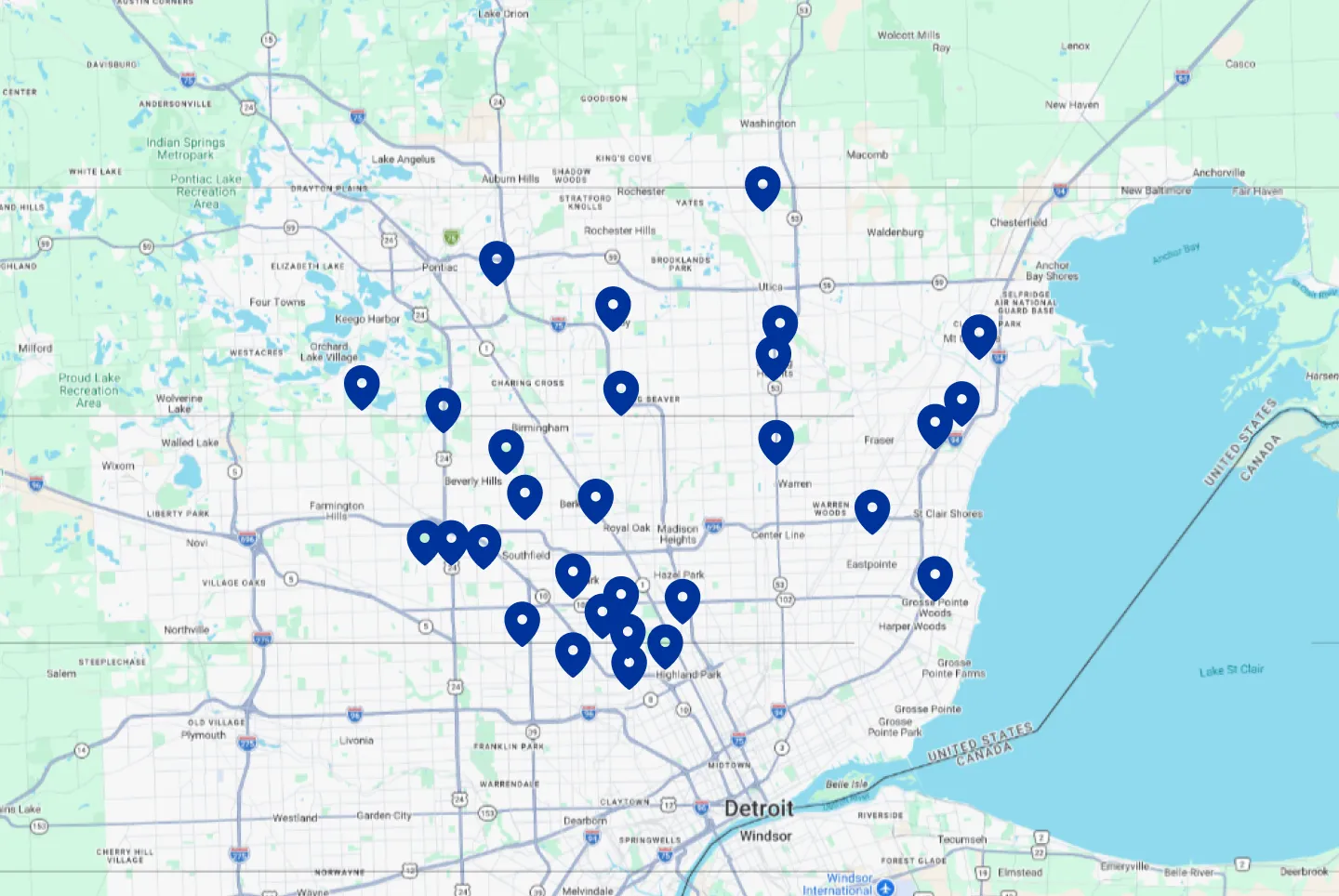
Service Areas