
What Electrical Work Can Be Done Without a Permit When Troubleshooting Tripping Breakers?

The Mid-Fall Heating Startup: Why Your Breakers Are Suddenly Tripping
You plug in a heater during an early October chill, and suddenly the room goes dark—a frustrating scenario that immediately prompts homeowners to search for reliable home maintenance tips and troubleshooting. As temperatures drop and the mid-fall heating startup begins, reliance on supplemental heating devices skyrockets. Unfortunately, this seasonal shift often reveals hidden limitations within a home's electrical infrastructure. When a circuit breaker trips repeatedly, it creates immediate frustration and raises serious questions about what a homeowner can legally and safely fix themselves.
Understanding the legal boundary between simple electrical troubleshooting and unpermitted modifications is critical for home safety. A tripping breaker is a symptom of a larger load management issue, not just a nuisance to be reset indefinitely. Partnering with a team experienced in electrical services ensures your home is prepared for winter without violating code. If you need professional assistance, scheduling proper residential electrical work is the safest path forward.
Understanding Circuit Loads and Supplemental Heating Equipment
To understand why a breaker trips, you have to look at the underlying math of your home's electrical system. A standard residential electrical circuit typically provides 15 amps of safe operating capacity. This capacity is designed to handle a moderate collection of everyday devices—ambient lighting, a television, a computer, or a few phone chargers. When you introduce high-draw heating equipment into that established ecosystem, the electrical demand changes drastically.
Plugging a heater into a circuit that already powers multiple electronic devices pushes the demand past that 15-amp limit. When this happens, the circuit breaker is functioning exactly as designed. Inside the electrical panel, thermal-magnetic mechanisms detect the excess heat generated by the overloaded wire and physically break the connection, cutting power to prevent the wires from overheating and potentially starting a fire. Continuously resetting a tripped breaker without addressing the underlying load imbalance stresses the electrical infrastructure and degrades the breaker's internal components.
The Math Behind the Nuisance Trip
The quick fix: Stop resetting the breaker and calculate your current electrical load.
Most 1500-watt portable space heaters draw approximately 12.5 amps of current when running on a standard 120-volt household outlet. If the circuit is rated for 15 amps, this single device consumes nearly 85% of the circuit's total safe capacity. Once you add a 100-watt lamp (about 0.8 amps) and a desktop computer (about 1.5 amps), the circuit is completely maxed out.
• 1500-watt portable space heaters — Estimated Wattage: 1500W — Estimated Amp Draw (120V): 12.5 Amps
• Standard Vacuum Cleaner — Estimated Wattage: 1200W — Estimated Amp Draw (120V): 10.0 Amps
• Desktop Computer & Monitor — Estimated Wattage: 200W — Estimated Amp Draw (120V): 1.6 Amps
• LED Room Lighting (Total) — Estimated Wattage: 60W — Estimated Amp Draw (120V): 0.5 Amps
Demonstrating this math makes it clear why moving the heater to an isolated, dedicated circuit is often the only safe DIY solution. If a dedicated circuit is not available, the system simply cannot support the supplemental heat without a professional upgrade.
What Electrical Work Can Be Done Without a Permit?
When the power goes out, homeowners naturally want to take immediate action. However, it is vital to recognize the strict boundaries of legal, safe homeowner troubleshooting. Basic load management is entirely within your rights as a homeowner, but altering the permanent wiring of the house crosses a hard legal line.
Homeowners can legally perform basic load management without calling a professional. This includes unplugging devices, redistributing heavy appliances to different circuits, and mapping out which outlets correspond to which breakers. Resetting a tripped breaker after the overload has been resolved does not require a permit or a licensed professional. Similarly, changing easily accessible light bulbs or replacing device fuses (like those found inside a string light plug) are safe DIY tasks.
Home Maintenance Tips and Troubleshooting: The Limits of DIY
While troubleshooting plug-in devices is allowed, repairing the infrastructure behind the walls is not. Any task that involves opening the electrical panel, exposing live wires, or altering the home's permanent wiring crosses the legal boundary. You must highlight the distinction between maintaining appliances and modifying the home's electrical service.
• Permitted DIY actions: Unplugging a 1500-watt portable space heater, mapping circuit loads, and flipping a tripped breaker back to the "on" position.
• Prohibited DIY actions: Removing the dead front cover of the electrical panel, replacing a faulty circuit breaker, or splicing new wire into an existing circuit.
• General maintenance: Cleaning dust from the exterior of baseboard heaters or replacing standard plug-in surge protectors.
Understanding these boundaries keeps your home safe and ensures you remain compliant with local regulations. For a deeper dive into these distinctions, review our guide on electrical repairs that require a licensed electrician.

Navigating Michigan's Electrical Safety Regulations
Michigan enforces strict building codes to ensure uniform safety standards across all residential properties. Specifically, the state operates under the Stille-DeRossett-Hale Single State Construction Code Act. This legislation is not merely bureaucratic red tape; it is a vital framework designed to prevent electrical fires, electrocutions, and catastrophic property damage.
Under this act, permits and formal inspections are mandatory for most electrical installations, alterations, and panel work. If you are considering replacing a circuit breaker, adding a new dedicated circuit for a heater, or upgrading an outdated fuse box, these tasks strictly require a licensed electrician and an official permit. The permitting process involves a third-party inspection by a municipal official who verifies that the work meets all current National Electrical Code (NEC) standards.
One Sterling Heights homeowner found this out firsthand during a summer upgrade. Their outdated Pushmatic fuse panel could no longer safely manage modern loads, and the house lacked proper grounding. A licensed professional swapped the old fuse panel for a brand new, permitted breaker panel and completely grounded the house. The upgrade was completed quickly with little interruption to the home, proving that following the proper regulatory channels leads to efficient, safe results. When undertaking any electrical remodeling, ensuring every step is permitted protects the home's structural integrity and your legal compliance.
The Hidden Risks of Unpermitted Electrical Modifications
When facing the mid-fall heating startup, homeowners are often tempted to seek quick fixes for nuisance tripping. A common, highly dangerous DIY mistake is swapping a continuously tripping 15-amp breaker for a 20-amp breaker without securing a permit or upgrading the wiring. This is a severe code violation and a massive safety risk.
Increasing the breaker size without upgrading the corresponding wire gauge removes the safety net from your electrical system. Standard 15-amp circuits are wired with 14-gauge wire, which is only rated to safely carry 15 amps of current. If you install a 20-amp breaker on that 14-gauge wire, the 1500-watt portable space heaters can draw excess current without tripping the breaker. The wire hidden inside your walls will overheat, melt its insulation, and create an immediate fire hazard.
With Michigan's extreme winter storms and early cold snaps driving heavy reliance on supplemental heating, these unpermitted DIY modifications become especially dangerous when demand is highest. Furthermore, homeowners insurance policies can be completely voided if a fire is traced back to unpermitted, improper electrical modifications. Safety regulations exist specifically to prevent these catastrophic failures during periods of heavy electrical demand. Bypassing the permit process to save time puts your entire property at immense risk.
When to Stop Resetting and Schedule a Professional Panel Inspection
There is a distinct moment when DIY troubleshooting must end and professional intervention must begin. If a breaker continues to trip after all heavy loads have been removed from the circuit, the breaker itself or the internal wiring may be compromised. Breakers wear out over time, especially if they have been repeatedly subjected to thermal stress from continuous overloading.
Older homes often lack the electrical capacity to support modern appliances, requiring comprehensive panel upgrades rather than quick fixes. A professional inspection will identify grounding issues, outdated infrastructure, and overall capacity limits that a homeowner simply cannot diagnose safely. Another local homeowner dealing with an older home renovation last spring needed significant electrical upgrades. A licensed professional brought multiple pricing options, installed a new permitted breaker panel, and set up a portable generator installation hook-up. They successfully accomplished all tasks safely and to the customer's complete satisfaction.
Integrating new systems for winter readiness must be handled by a licensed professional to ensure safe, permitted integration with the main panel. Blue Heron Electrical possesses deep knowledge of local Michigan building codes, ensuring that any necessary panel upgrades or repairs are safe, strictly compliant, and properly permitted. If your panel feels hot to the touch, emits a buzzing sound, or produces a faint burning odor during the mid-fall heating startup, stop resetting the breaker immediately and call for a professional evaluation.
Frequently Asked Questions
Why does my space heater keep tripping the breaker?
Your space heater trips the breaker because it draws more electrical current than the circuit is designed to handle safely. A standard 1500-watt heater uses about 12.5 amps, which consumes nearly all the capacity of a standard 15-amp residential circuit. When you add other devices like lights or computers to that same circuit, the breaker trips to prevent the wires from overheating.
Can I replace a circuit breaker without a permit?
No, replacing a circuit breaker requires a permit and should be handled by a licensed professional. Opening the electrical panel and altering the permanent safety devices of your home's electrical system falls under strict building codes. Attempting this as a DIY project exposes you to severe shock hazards and violates local safety regulations.
What electrical work can a homeowner do legally in Michigan?
In Michigan, homeowners can legally perform basic load management and minor maintenance. This includes resetting tripped breakers, unplugging heavy appliances, changing accessible light bulbs, and replacing standard plug-in fuses. Any work that involves the home's permanent wiring, adding circuits, or modifying the main electrical panel requires a licensed electrician and a municipal permit.
Does unpermitted electrical work void homeowners insurance?
Yes, unpermitted electrical work can absolutely void your homeowners insurance policy. If a fire or catastrophic damage is traced back to illegal panel modifications or unpermitted wiring, insurance providers often deny the claim. Following the proper permitting and inspection process guarantees that your home remains fully protected under your policy.
How do I know if my electrical panel needs an upgrade?
You likely need an electrical panel upgrade if your breakers trip frequently even under normal loads, if the panel feels warm to the touch, or if you hear buzzing sounds coming from the box. Additionally, if your home still relies on an outdated fuse box or lacks the capacity to support modern appliances and supplemental heating, it is time to schedule a professional inspection.
Ensuring Safety and Compliance This Season
Navigating the electrical demands of the mid-fall heating startup doesn't have to be a source of constant frustration. By understanding the strict legal boundaries of DIY load management, you can safely troubleshoot minor issues without putting your property at risk. Remember that comprehensive home maintenance tips and troubleshooting always prioritize safety over shortcuts. When your electrical system frequently overloads, securing a professional, permitted panel inspection is the exact right step to ensure your home remains safe, warm, and fully compliant all winter long.
Customer Testimonials

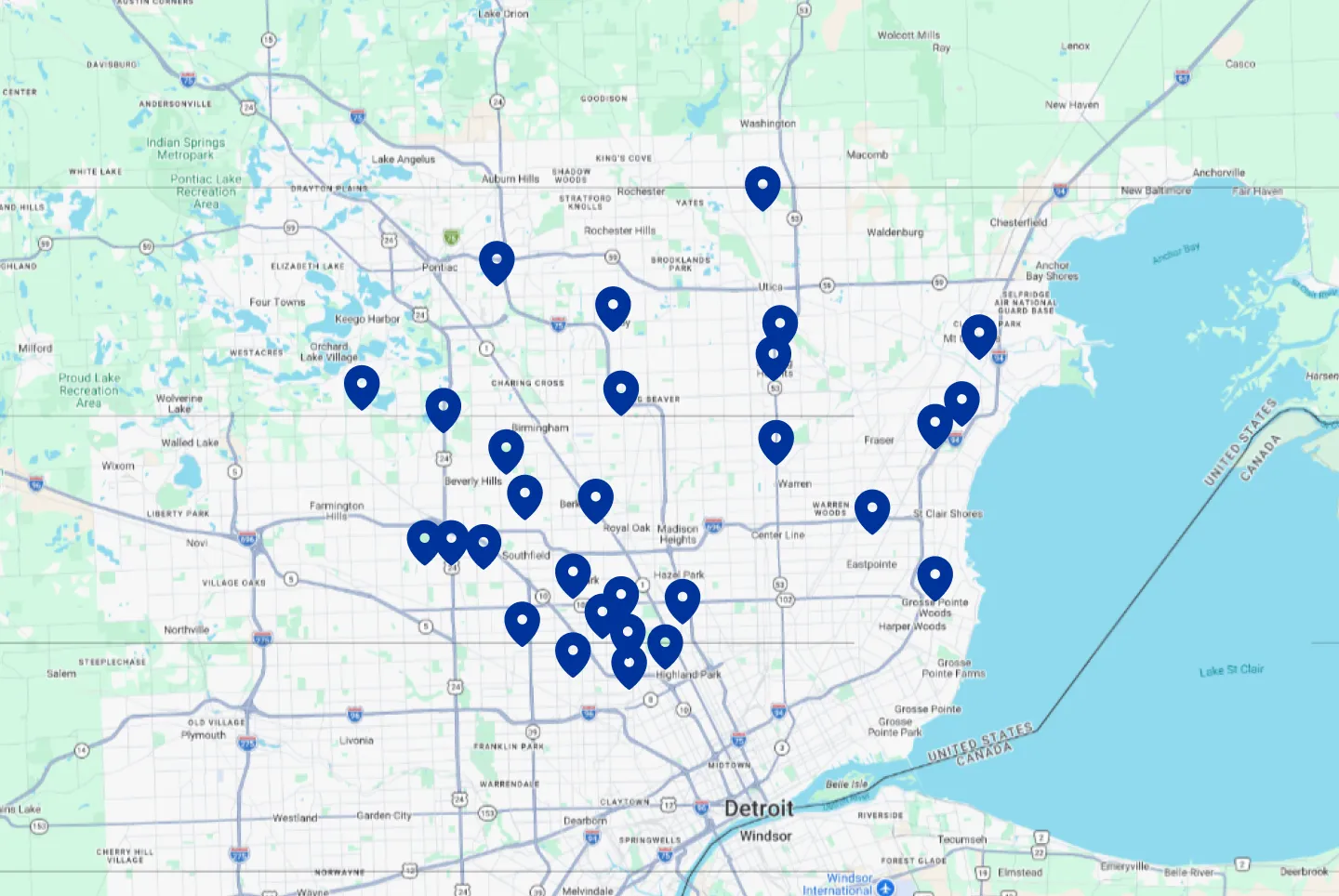
Service Areas