
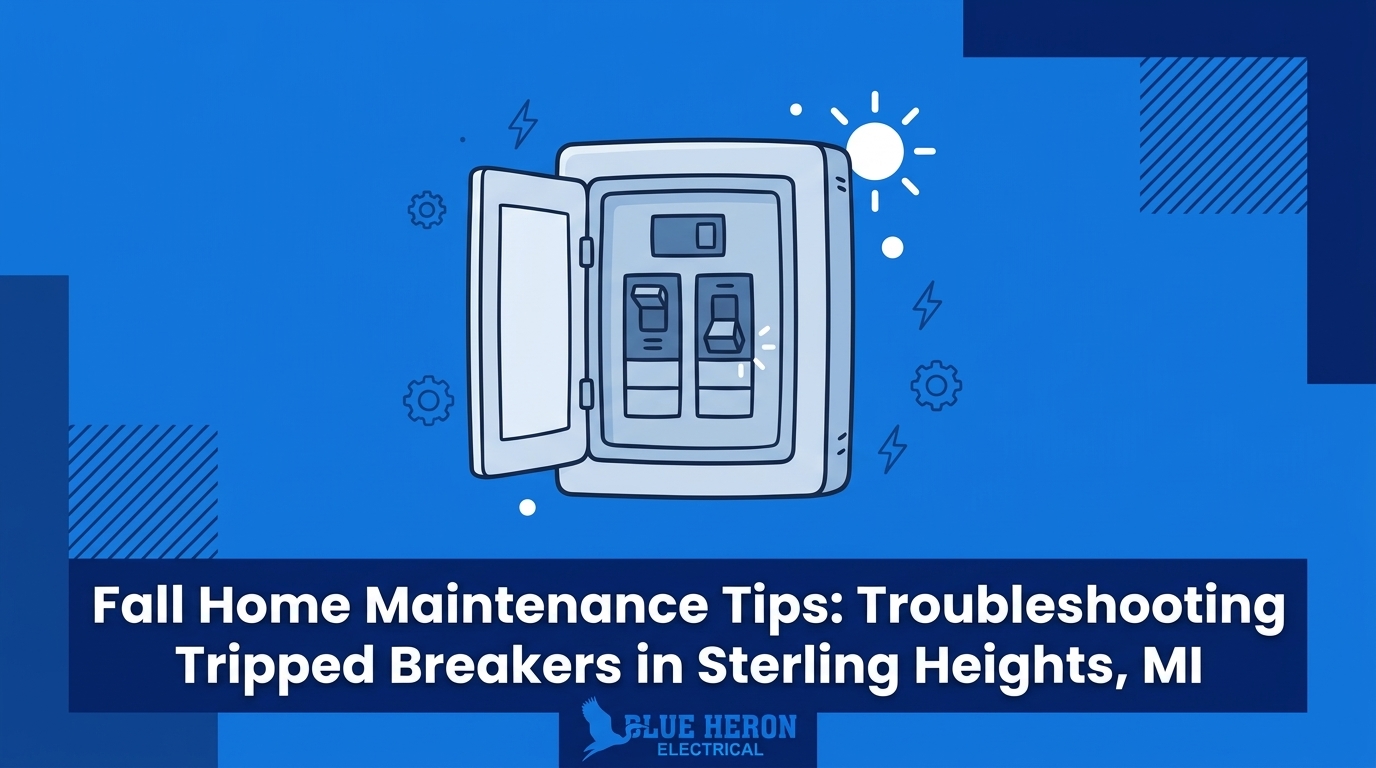
Fall Home Maintenance Tips: Troubleshooting Tripped Breakers in Sterling Heights, MI
The First October Cold Snap: When Space Heaters Meet Circuit Limits
When the autumn chill arrives, navigating home maintenance tips and troubleshooting often shifts immediately from clearing gutters to keeping the house warm. Before the central furnace is fully commissioned for the season, that October first cold snap usually sends Michigan homeowners straight to the closet for a portable space heater. While these devices provide excellent supplemental warmth, they also introduce a sudden, heavy electrical load to your home's wiring. Experiencing a sudden loss of power in a bedroom or living room after plugging in a heater is an incredibly common seasonal event.
Instead of viewing a tripped breaker as a simple nuisance, it is much safer to treat it as a vital diagnostic test for your home's winter electrical readiness. A breaker that shuts off power is actually doing exactly what it was designed to do: preventing wires from overheating and potentially starting a fire. The central question you face during this seasonal transition is whether this power loss is just a simple plug-in overload or a clear warning sign of a failing electrical panel that cannot handle modern winter demands.
Need professional help right away? Learn more about our comprehensive residential electrical services to ensure your system is fully prepared for the freezing temperatures ahead.
The Math Behind the Trip: Why Space Heaters Overload Circuits
Understanding why your power shuts off requires a quick look at the math behind residential electrical systems. Most homeowners do not realize just how much power a standard plug-in heater demands from a single room's circuit. By breaking down the numbers, you can easily see why the system reacts the way it does to protect your property.
The Problem: You plug a standard 1500-watt space heater into a bedroom wall outlet, turn it on high, and within minutes, the entire room goes dark. The sudden draw of electricity forces the breaker in your basement or garage to trip, cutting the flow of power entirely.
The Cause: A standard 1500-watt space heater draws approximately 12.5 amps of power when running continuously on its highest setting. In many older Sterling Heights MI residential homes, typical bedroom and living room circuits are only rated to handle a total of 15 amps. This leaves a tiny margin of just 2.5 amps for everything else plugged into that same circuit. If you have a television running, a few lamps switched on, or a computer charging on that identical circuit, the combined electrical load easily pushes past the 15-amp safety limit. The wiring begins to heat up under the strain, prompting the safety mechanisms in your panel to activate.
The Solution: The breaker tripping is a successful safety intervention. To prevent this, the electrical load must be redistributed, or the overall capacity of the home's electrical infrastructure must be evaluated by a professional. Never attempt to bypass this safety feature or force a breaker to stay on.
• 1500W Space Heater — Estimated Amperage Draw: 12.5 Amps — Impact on a 15-Amp Circuit: Consumes 83% of total capacity
• Modern Television — Estimated Amperage Draw: 1.0 to 1.5 Amps — Impact on a 15-Amp Circuit: Safe alone, overloads with heater
• Desktop Computer — Estimated Amperage Draw: 1.5 to 2.0 Amps — Impact on a 15-Amp Circuit: Safe alone, overloads with heater
• Vacuum Cleaner — Estimated Amperage Draw: 8.0 to 12.0 Amps — Impact on a 15-Amp Circuit: Will immediately trip with heater

Immediate Safe Usage Checklist for Supplemental Fall Heating
Staying warm during an October first cold snap should never come at the expense of your family's safety. If you rely on portable heating units before the central furnace takes over, following strict operational guidelines will drastically reduce the risk of circuit overloads and fire hazards. Here is an actionable checklist to ensure safe supplemental heating:
• Unplug before resetting: If a breaker trips, always return to the room and physically unplug the space heater from the wall before heading to the electrical panel. Resetting a breaker while a heavy load is still actively drawing power can cause an immediate secondary trip or an electrical arc.
• Ban extension cords and power strips: Never plug a high-draw space heater into a power strip, surge protector, or extension cord. These accessories are rarely rated for continuous 12.5-amp loads. The resistance generated by the heater will quickly melt the plastic housing of a standard power strip, creating an immediate and severe fire risk.
• Use dedicated wall outlets: Relocate the heater to a dedicated wall receptacle. Ideally, choose an outlet on a circuit that has a lower concurrent electrical demand. For example, avoid plugging the heater into the same circuit that powers your home office equipment or heavy kitchen appliances.
• Verify built-in safety features: Ensure your specific unit is modern and carries a certification mark from a recognized testing laboratory (like UL). It must feature automatic tip-over protection that shuts the unit off if knocked down, as well as an overheat sensor that cuts power if the internal components get too hot.
• Maintain proper clearance: Keep the heater at least three feet away from all combustible materials, including bedding, curtains, clothing, and upholstered furniture. The intense heat radiating from the front grill can ignite fabrics even without direct contact.
Diagnosing the Difference: Nuisance Trip or Outdated Electrical Panel?
Knowing how to distinguish between a simple user-error overload and a systemic electrical capacity issue is a critical part of fall home ownership. An isolated overload is highly predictable. For instance, if the breaker only trips on the exact occasion that you run the bedroom space heater and the hallway vacuum cleaner at the exact same time, you are dealing with a standard overloaded circuit. The solution is simply altering your usage habits and not running those two heavy appliances concurrently.
However, if your system struggles with basic daily tasks, you are likely facing a much larger infrastructure problem. Many older residential properties were constructed long before modern electrical demands existed. These houses often still operate on legacy 100-amp panels that simply cannot distribute enough power for smart appliances, multiple televisions, home office setups, and supplemental winter heating all at once. When the panel reaches its absolute maximum capacity, it begins to fail, compromising the safety of the entire property.
Addressing a failing panel is not a project that can wait until spring. Upgrading your infrastructure before the deep winter months arrive ensures that your heating systems, emergency equipment, and daily appliances will function reliably when the weather is at its worst. If you suspect your system is struggling, exploring a professional panel change or upgrade is the safest and most effective permanent solution.
Warning Signs of an Overloaded Electrical Panel
If you notice any of the following symptoms, the issue extends far beyond a single space heater. These are indicators of systemic electrical stress:
• Constant tripping under normal loads: Breakers shut off even when only a few lights and a television are running.
• Flickering or dimming lights: The overhead lighting dims noticeably when a major appliance, like a refrigerator or central furnace, cycles on.
• Breakers that refuse to reset: A switch that feels loose, spongy, or immediately snaps back to the "off" position when you try to reset it indicates a failed breaker or a dangerous short circuit.
• Physical heat or buzzing sounds: The metal cover of the breaker box feels warm to the touch, or you hear a distinct humming or crackling noise coming from inside the panel.
• Burning odors: A faint smell of burning plastic or ozone near the electrical panel is an absolute emergency requiring immediate professional intervention.
Other Critical Pre-Winter Electrical Maintenance
While indoor heating safely dominates the conversation during the early fall, comprehensive maintenance extends far beyond the bedroom walls. Your outdoor electrical systems face severe exposure to snow, ice, and freezing moisture, making autumn the perfect time for a thorough exterior inspection. Taking care of these components now prevents dangerous malfunctions when the yard is buried in snow.
Start by walking the perimeter of your property to inspect all outdoor receptacles. Every exterior outlet must be equipped with a heavy-duty, weatherproof "in-use" cover. These specialized covers protect the outlet from moisture even while a cord is actively plugged in—essential for holiday lighting or outdoor block heaters. Check the plastic housings for cracks, brittleness, or broken hinges, and ensure the internal receptacles are functioning properly.
Seasonal transitions also impact backyard amenities. If you are winterizing outdoor equipment or preparing aquatic features for cold-weather use, verifying proper grounding and electrical safety is non-negotiable. Water and electricity are a highly dangerous combination, especially as freeze-thaw cycles shift the ground and potentially stress buried conduits. Ensuring you meet strict safety standards, such as the specific GFCI requirements for hot tubs and pools, protects your family from shock hazards while maximizing the lifespan of your expensive outdoor investments.
When to Call a Professional for Electrical Troubleshooting
There is a strict line between safe homeowner maintenance and dangerous electrical work. Plugging a heater into a different outlet or flipping a tripped breaker back to the "on" position are normal tasks. However, opening an electrical panel, attempting to replace a breaker, or altering any permanent wiring is highly dangerous and illegal without proper licensing. The voltage inside a residential panel is lethal, and improper connections create hidden fire risks that can smolder for months before igniting.
You should immediately call a professional if a specific breaker trips repeatedly even after the space heater is removed from the room, or if you notice any physical damage, heat, or unusual smells near the panel. A breaker that constantly trips is signaling that the internal wiring is compromised or the breaker itself has mechanically failed. Ignoring these signs or attempting a DIY fix puts your entire property at risk.
Partnering with a licensed and insured Michigan electrician guarantees 100% compliance with local and state NEC codes, ensuring every repair meets the highest safety standards. This level of professional oversight provides immense peace of mind. As your local Sterling Heights electricians, our team is equipped to perform comprehensive pre-winter electrical inspections, diagnose complex panel issues, and ensure your home is fully prepared to handle whatever the Michigan winter delivers.
Ensure Your Home's Electrical Capacity is Winter-Ready
While portable heaters are a highly convenient way to handle the first chills of fall, their heavy power draw should never compromise your home's overall electrical safety. A tripped breaker is an important warning system, alerting you to the limits of your current residential wiring. By understanding these limits and practicing safe usage habits, you can keep your family comfortable without risking an electrical fire.
If your home is constantly struggling to keep the power on, or if you notice the warning signs of an outdated 100-amp panel, it is time to take proactive steps. Do not wait until the dead of winter to find out your system cannot handle the load. Schedule a professional evaluation today to ensure your electrical infrastructure is safe, up to code, and fully winter-ready.
Frequently Asked Questions
Why does my space heater keep tripping the breaker?
Your heater is likely drawing more amperage than the circuit can safely handle. A standard space heater uses about 12.5 amps, which easily overloads a typical 15-amp bedroom circuit if other devices like televisions or lights are also running. Moving the heater to a dedicated circuit usually resolves isolated overloads.
How do I know if my electrical panel is overloaded?
An overloaded panel will exhibit systemic warning signs beyond a single tripped breaker. You may notice lights dimming when major appliances turn on, breakers that feel hot to the touch, or a faint buzzing sound coming from the box itself. If multiple breakers trip frequently under normal daily usage, the panel has likely reached its maximum capacity.
Can I run a space heater on a normal outlet?
Yes, you can use a normal wall outlet, provided it is in good condition and the circuit is not heavily loaded with other devices. However, you must plug the unit directly into the wall receptacle. Never use extension cords or power strips, as they can quickly overheat and cause a fire under the heavy continuous load of a heater.
What electrical maintenance should I do in the fall?
Fall is the ideal time to test all GFCI outlets, inspect exterior weatherproof covers for cracks, and ensure outdoor lighting is functioning before the days get shorter. It is also the perfect season to have a professional inspect your panel to confirm it can handle the increased electrical load of winter heating appliances.
When should I call an electrician for a tripping breaker?
You should contact a professional immediately if a breaker refuses to reset, feels spongy, or trips repeatedly even after you have unplugged all heavy appliances from that room. Additionally, any burning smells, scorch marks, or buzzing sounds near the electrical panel require emergency professional attention.
Is it safe to reset a tripped breaker multiple times?
No, repeatedly forcing a breaker back on is highly dangerous. The breaker is tripping to protect the wiring from overheating and causing a fire; constantly resetting it forces electricity through a compromised circuit. If a breaker trips more than once under normal conditions, leave it off and call a licensed professional to diagnose the underlying fault.
Customer Testimonials

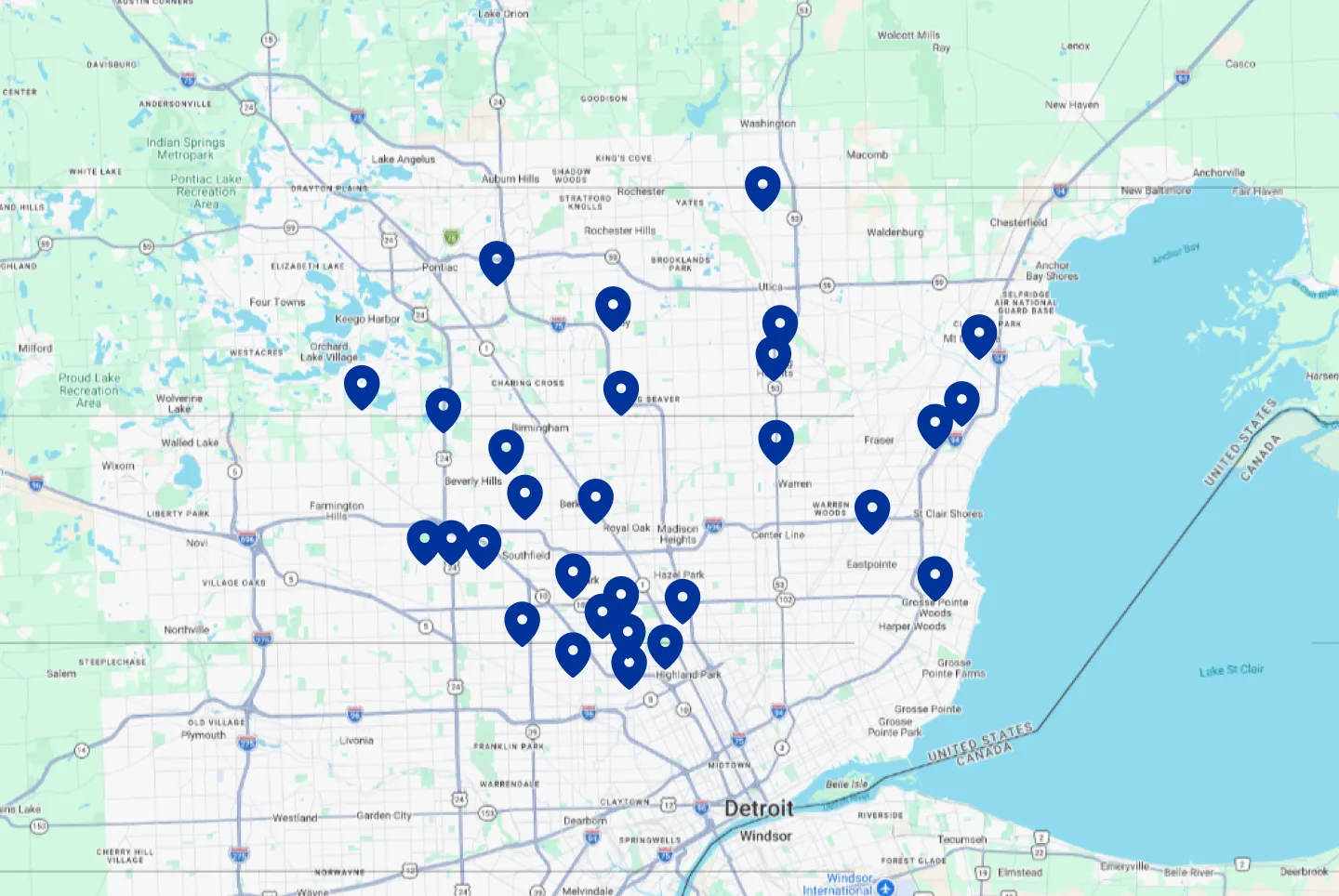
Service Areas