
The Electrical Requirements for Heated Driveways: Why DIY Snow Melt Kits Risk Overloading Your Panel

The Hidden Power Drain: Facing the Reality of Driveway Snow Melt Wiring
A standard residential snow melt system requires roughly 30 to 50 watts per square foot of surface area, which means a typical installation can quickly demand well over 100 amps of total electrical capacity. If you are looking into the electrical requirements for heated driveways, this massive, continuous power draw is the very first technical hurdle you will face. Most homeowners do not realize that melting ice and snow across a large outdoor slab takes significantly more energy than heating the interior of a home.
Here at Blue Heron Electrical, the concrete problem our team sees repeatedly is that homeowners severely underestimate this massive dedicated amperage. They purchase DIY snow melt mats and controllers online, assuming they can simply tie the new equipment into their existing breaker box with a spare breaker. This assumption leads to dangerous electrical situations, overloaded panels, and severe fire hazards.
This brings you to a critical decision point: do you risk installing a dangerous DIY kit that could compromise your home's entire electrical system, or do you hire a licensed electrician to perform a proper load calculation first? Understanding the technical reality of these systems is non-negotiable. For safe, code-compliant residential electrical services, a thorough evaluation of your current panel is the only responsible way to begin a driveway heating project.
Breaking Down the Numbers: Why Systems Require 30-50+ Amps Per Zone
To understand why outdoor heating places such a severe strain on your home's infrastructure, you have to look at how radiant electrical heating actually works. These systems rely on electrical resistance. The buried cables generate heat by resisting the flow of electricity, and pushing enough current through hundreds of feet of thick cable requires an enormous amount of power.
When you calculate the watts-per-square-foot rating across an entire concrete or asphalt driveway, the numbers escalate rapidly. Because a single breaker can only handle so much current safely, these installations are broken up into smaller sections. However, even these smaller sections draw heavy loads, meaning multi-zone driveway systems require dedicated 30-50+ amps per zone. A medium-sized driveway might need three or four separate zones to melt snow effectively, multiplying that high amp draw across your panel.
Putting the load into perspective:
• Standard Refrigerator: Draws about 15 to 20 amps and cycles on and off quickly.
• Central Air Conditioner: Draws roughly 30 to 40 amps during the summer.
• Electric Oven / Range: Draws 40 to 50 amps, but usually only runs for an hour or two.
• Multi-Zone Snow Melt: Draws 100+ amps continuously for the duration of a winter storm.
This continuous operation is the most demanding factor. With the heavy, continuous snowfall and freezing winter temperatures we experience here in Sterling Heights, these systems are forced to run at maximum continuous load for hours on end. They do not cycle off quickly like a refrigerator; they draw massive power relentlessly until the slab is clear, severely testing the physical limits of an electrical system.
The Difference Between 120V and 240V Requirements
You might wonder why you cannot simply plug smaller snow melt mats into a standard 120V outdoor outlet. The short answer is voltage capacity. These systems almost universally require 240V dedicated circuits. A 120V circuit simply cannot push enough wattage to generate the necessary heat across a large outdoor surface area without requiring impossibly thick wires and massive, impractical breakers.
By stepping up to 240V, the system can deliver the required wattage more efficiently. However, while the voltage is doubled, the total amperage draw remains exceptionally high. The 240V requirement means these systems must be hardwired directly into your main electrical panel using double-pole breakers, further complicating any DIY attempts.

Will Your Current Electrical Panel Handle the Load?
Once you understand the sheer volume of electricity required for outdoor heating, the next logical step is evaluating your home's existing infrastructure. In our experience upgrading panels across the community, we find that a standard residential electrical panel typically provides 200 amps of total service. While 200 amps is plenty for a normal household, it is often vastly insufficient when you introduce a massive, continuous winter load.
If your home is already utilizing 100 to 150 amps to run your electric furnace, heat pump, water heater, kitchen appliances, and general lighting, adding another 100+ amps for a driveway heater is mathematically impossible without overloading the main breaker.
• Electric Furnace / Heat Pump — Typical Amperage Draw: 40 - 60 Amps — Continuous Winter Load?: Yes
• Electric Water Heater — Typical Amperage Draw: 30 Amps — Continuous Winter Load?: Yes
• General Lighting & Outlets — Typical Amperage Draw: 20 - 40 Amps — Continuous Winter Load?: No
• Multi-Zone Heated Driveway — Typical Amperage Draw: 100+ Amps — Continuous Winter Load?: Yes
Signs your current panel is maxed out: If you currently experience dimming lights when your HVAC system kicks on, or if you frequently trip standard breakers during heavy appliance use, your panel is already near its operational limit. Adding a snow melt system under these conditions will result in immediate main breaker trips, leaving your entire home in the dark during a freezing storm.
Because of this math, there is a high probability that installing a permanent snow melt system will necessitate a major panel upgrade. Homeowners often find that upgrading to a 400-amp service is the only safe way to support both their modern indoor appliances and high-draw outdoor amenities simultaneously. (Keep in mind that necessary electrical panel upgrades may qualify for federal tax credits or utility energy incentives, though we advise readers to verify current programs with their utility provider or a tax professional.)
The Dangers of DIY: Fire Risks and Overloaded Circuits
The internet is saturated with retailers selling DIY snow melt mats, cables, and automated controllers directly to consumers. While laying out the physical mats before a concrete pour might seem like a straightforward weekend project, the electrical connections are highly technical and extremely dangerous if handled incorrectly.
High-amperage outdoor equipment is never a safe DIY endeavor. When a circuit is overloaded or improperly wired, the physical copper wires generate excessive heat. If the breaker is incorrectly sized or fails to trip in time, that heat melts the protective wire insulation. Once the insulation is gone, the exposed wires can arc, leading to severe, hidden fire hazards inside your walls or underground.
The hidden damage inside your panel: In our years of troubleshooting residential systems, we have seen first-hand what pulling too much continuous power through an unverified panel can do—it can actually melt the metal bus bars inside the breaker box. The bus bars distribute electricity to all your individual breakers. When they overheat and warp, it causes catastrophic electrical failure that ruins the entire panel and requires an emergency replacement.
Attempting to bypass safety protocols by splicing heavy-duty cables or guessing at breaker sizes puts your property at immediate risk. This is why professional electrical panel upgrades and professional wiring are absolutely mandatory before you even consider powering up a high-draw outdoor heating system.
Navigating NEC Article 426 and Strict Safety Regulations
Electrical work is heavily regulated to protect your property and your neighborhood from preventable disasters. When dealing with outdoor heating, the National Electrical Code (NEC) outlines very specific, non-negotiable rules. NEC Article 426 specifically dictates the safety mandates for fixed outdoor deicing and snow-melting equipment.
One of the most critical requirements in this code is the mandatory use of Ground Fault Equipment Protection (GFEP). This is fundamentally different from the standard GFCI outlets you have in your kitchen or bathroom.
• Standard GFCI (5mA): Designed to protect humans from electric shock. It trips if it detects a tiny 5-milliamp leak. Because large outdoor heating cables naturally leak a small amount of harmless current into the ground, a standard GFCI breaker would trip constantly, rendering the system useless.
• GFEP Breakers (30mA): Designed specifically to protect heavy equipment from catastrophic ground faults and fires. It allows for the natural, minor current leakage of a large outdoor system but trips immediately if it detects a dangerous 30-milliamp fault.
Local municipal inspectors rigorously enforce these codes to ensure neighborhood safety. Incorrectly using a standard breaker instead of a 30mA GFEP breaker is an immediate code violation. As experienced Macomb County electricians, our team knows exactly how to navigate these strict regulations, source the correct specialty breakers, and ensure your installation passes municipal inspection the first time.
Why a Professional Load Calculation is Non-Negotiable
You cannot guess your way into a safe electrical installation. Before any trench is dug, any wire is run, or any snow melt mat is purchased, a licensed professional must perform an official electrical load calculation. This is a strict mathematical evaluation required by local building codes.
A professional load calculation accounts for every existing electrical draw in your home. It calculates the square footage of your living space for general lighting, tallies up the dedicated circuits for fixed appliances like ovens and dryers, and evaluates your largest heating and cooling loads.
What the calculation reveals:
• The exact remaining capacity of your current 200-amp or 100-amp panel.
• The precise amount of continuous load your main service lines can physically handle.
• Whether simultaneous winter systems (like an electric furnace or a standby generator installation) will overload the system when the driveway heater turns on.
When you work with our veteran-owned team at Blue Heron Electrical, you benefit from strict adherence to these electrical load calculations. This expertise is the only way to prevent winter power failures and hazards. A mathematical evaluation guarantees that your home has the physical capacity to safely operate the new system without compromising your existing infrastructure.
Pre-Winter Deadlines: Planning Before the Ground Freezes
Timing is everything when it comes to outdoor electrical work. Running the heavy-duty conduit and wiring required for a multi-zone driveway system involves significant logistical planning and ground work. You cannot simply lay high-voltage cables on top of the grass; they must be properly trenched and buried according to strict depth codes.
Trenching for underground conduit must be completed before the deep freezes set in and the ground turns solid. If you wait until the snow is already falling, the physical labor becomes incredibly difficult, and in some cases, impossible without specialized ground-thawing equipment that adds massive delays to the project.
Because of these physical limitations, our crew knows that November pre-winter prep is generally the final safe window for these installations. We strongly encourage homeowners to schedule their load evaluations, panel upgrades, and underground trenching early in the fall. Waiting for the first major blizzard to realize your electrical panel is not ready will leave you shoveling snow for the rest of the season.
Frequently Asked Questions About Driveway Snow Melt Wiring
How many amps does a heated driveway use?
A heated driveway typically uses 30 to 50+ amps per zone. For a standard residential driveway, this often totals well over 100 amps of continuous electrical draw. Because the system must run continuously during a storm, this massive amperage places a heavy burden on your home's electrical panel.
Can I run a heated driveway on a 200 amp service?
It is highly unlikely that you can run a full heated driveway on a standard 200-amp service without overloading the system. Your home already uses a significant portion of that 200 amps for heating, water, and appliances. A professional load calculation is strictly required to know for sure if you have enough remaining capacity.
Do heated driveways need a dedicated circuit?
Yes, heated driveways absolutely require dedicated 240V circuits. You cannot share these circuits with other outdoor outlets or appliances. The massive, continuous load requires dedicated wiring directly back to the main breaker panel to operate safely without melting wires.
What size breaker do I need for a snow melt system?
The required breaker size depends entirely on the specific wattage of the heating zone, but they typically require 30-amp to 50-amp breakers per zone. Furthermore, code mandates that these must be specialized 30mA Ground Fault Equipment Protection (GFEP) breakers, not standard household breakers.
Why do I need a load calculation for a heated driveway?
A load calculation is required by local building codes to prevent catastrophic panel failure or severe fire hazards. It mathematically proves whether your current electrical panel can safely handle the massive continuous draw of the snow melt system alongside your existing winter appliances.
Does a snow melt system require a panel upgrade?
In many older or standard-sized homes, upgrading to a 400-amp service is absolutely necessary to support the additional 100+ amp continuous draw. Without an upgrade, running the driveway heater during a winter storm will likely trip your main breaker and cut power to your entire house.
Secure Your Winter Safety with a Professional Load Evaluation
The massive electrical demands of a driveway snow melt system are not something you can safely guess your way through. Attempting to install DIY kits without understanding the 30-50+ amp per zone requirement risks catastrophic panel failure, melted wiring, and severe winter fire hazards. Your home's infrastructure must be mathematically proven to handle this continuous burden.
True peace of mind comes from knowing your electrical panel is fully equipped to handle the worst winter storms without failing. Before you purchase any outdoor heating equipment, protect your home by scheduling a professional load evaluation with the licensed electricians at Blue Heron Electrical.
Customer Testimonials

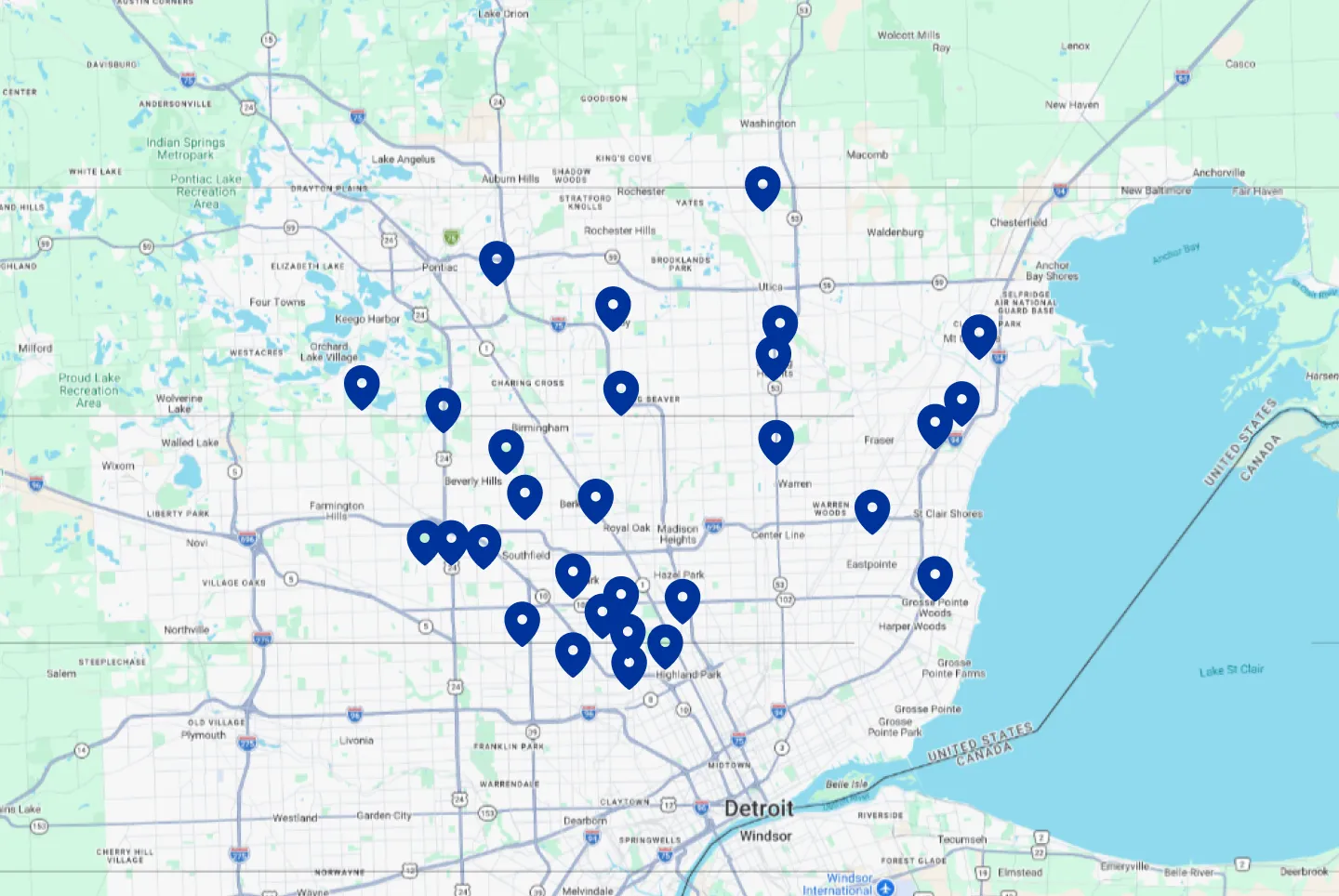
Service Areas